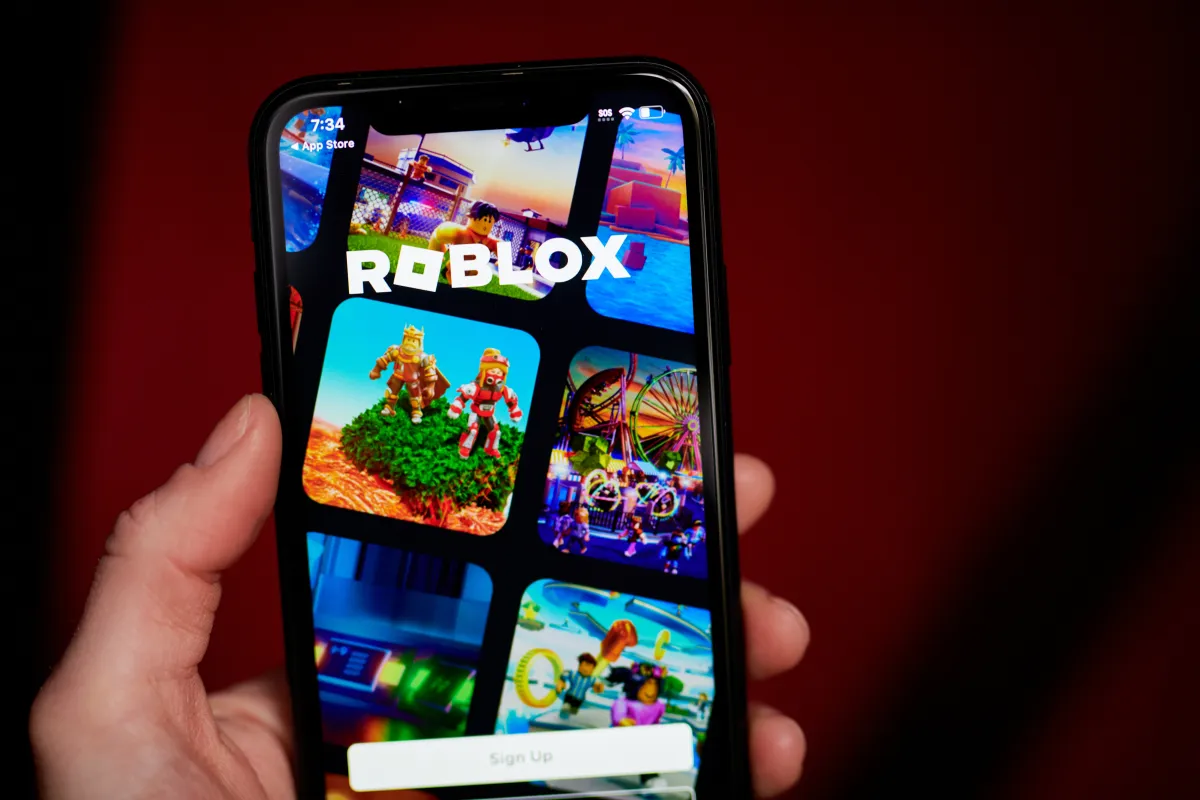

Roblox is now requiring all users to undergo facial verification to access chat features, a move prompted by increasing scrutiny over child safety on the platform. The company began testing the requirement last month and is rolling it out globally, aiming to create a safer online environment for its millions of users. This new policy represents a significant shift in how Roblox verifies user ages and responds to mounting legal and public pressure.
The implementation follows multiple lawsuits and investigations from state attorneys general, including those in Texas and Louisiana, alleging that Roblox failed to adequately protect young users from grooming and exposure to inappropriate content. Roblox maintains that the new measures will provide a more accurate age verification process than relying on self-reported birth years.
Mandatory Age Verification on Roblox
To complete the age verification process, users are prompted to open the Roblox app, grant camera access, and follow on-screen instructions. Roblox utilizes a third-party vendor, Persona, to process the facial scans, assuring users that all images and videos are deleted immediately after verification. Users who are 13 or older have the option to verify their age using ID verification instead of facial scanning.
However, it’s important to note that while age verification is not mandatory to simply *use* Roblox, it is now required to participate in any chat features. This means users who decline verification will be unable to communicate with others on the platform. Roblox states that if the initial age estimation is inaccurate, users can appeal the decision and provide alternative verification methods, including parental controls to update a child’s age.
How Age-Based Chat Works
Once verified, users are placed into one of six age groups: under 9, 9 to 12, 13 to 15, 16 to 17, 18 to 20, and 21+. Chat access is then limited to users within a narrow range of these groups – allowing communication with those in the group directly above and below their own. For example, a user aged 10-12 can chat with users aged 9-12 and 13-15.
Additionally, Roblox has disabled chat functionality by default for children under 9 unless a parent provides consent following a successful age check. This aims to provide an extra layer of protection for the platform’s youngest users. The company is also continuously evaluating user behavior to identify discrepancies between reported ages and actual activity, triggering further verification requests when necessary.
Addressing Safety Concerns and Legal Challenges
The lawsuits against Roblox highlight concerns about the platform’s ability to safeguard children from online predators and harmful content. Reports have indicated that Roblox’s existing safety measures were insufficient, leading to instances of grooming and exposure to explicit material. These legal challenges have intensified pressure on the company to implement more robust safety protocols.
The introduction of mandatory age verification is a direct response to these concerns. Roblox hopes this will create a more age-appropriate experience for all users and mitigate the risks associated with interactions between adults and children. The company has emphasized its commitment to user safety and its willingness to cooperate with regulators.
Meanwhile, the debate surrounding online child safety continues to evolve. Other platforms are also exploring various methods of age verification, including biometric data and government-issued identification. The effectiveness and privacy implications of these approaches remain a subject of ongoing discussion.
Looking ahead, the success of Roblox’s new policy will depend on its ability to accurately verify ages, protect user privacy, and maintain a positive user experience. The company will likely face ongoing scrutiny from regulators and advocacy groups as it implements and refines its age verification system. It remains to be seen whether these changes will fully address the safety concerns that have plagued the platform and whether similar measures will become industry standard for online gaming and social media.