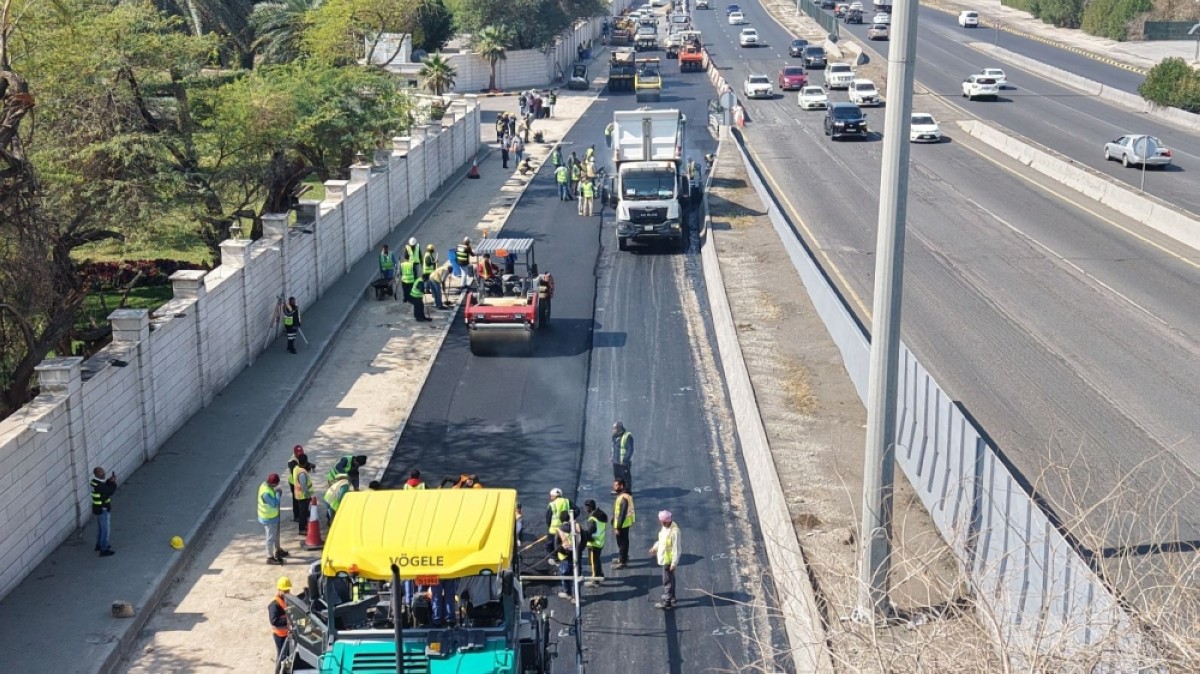

Kuwait’s roads are undergoing significant maintenance in 2025, a much-needed initiative after years of reported deterioration. But have you ever wondered why some road maintenance projects seem to take years while others are completed relatively quickly? The Ministry of Public Works explains that the speed and scope of these repairs are directly tied to the age of the infrastructure, traffic flow patterns, and detailed survey results. A massive KD 400 million has been allocated to 18 major tenders covering all six governorates, signaling a serious commitment to improving Kuwait’s roadways.
Understanding the Prioritization of Road Maintenance in Kuwait
After years of resident complaints, visible changes are finally appearing across Kuwait. However, the process isn’t random. Engineer Ahmad Al-Saleh, the ministry’s spokesperson, emphasized that work begins with the oldest and most severely damaged roads. Some areas, like Surra, haven’t seen major infrastructure work since the 1970s, highlighting the scale of the challenge.
This prioritization isn’t just about age, though. The Ministry carefully considers the impact of road closures and traffic disruption. Observers have rightly questioned how work is scheduled, and Al-Saleh addressed this directly.
Traffic Flow as a Key Factor
“When we began work in Surra, some residents asked why we started in one block instead of another,” Al-Saleh explained in an interview with KTV’s Nabd Al-Share’. “The reason was traffic flow direction toward the Fourth Ring Road.” This demonstrates a strategic approach, minimizing disruption to major traffic arteries whenever possible. The Ministry collaborates closely with the Ministry of Interior’s General Traffic Department, particularly near essential services like hospitals, fire stations, and schools, to ensure emergency vehicle access isn’t compromised.
Two Types of Road Maintenance Contracts
The Ministry classifies roads into three categories – severely damaged, moderately damaged, and new/under warranty – which dictates the type of contract awarded. This allows for a tiered approach to road repairs, optimizing resources and minimizing unnecessary disruption. There are two main types of contracts: routine maintenance and comprehensive maintenance.
Routine Maintenance: Targeted Repairs
Routine maintenance contracts focus on specific issues. This includes replacing curbstones, inspecting and repairing asphalt layers, and checking the base layers of the road. While full asphalt replacement can be part of these contracts, they don’t automatically include upgrades to underlying infrastructure like sewerage, stormwater drainage, or telecom networks. This targeted approach allows for quicker completion times.
Al-Saleh explained the process: “Routine maintenance involves a defined scope. If asphalt is damaged, we assess its condition and the layers beneath it. If the base layer is sound, we mill and resurface. If not, we reach the soil layer and treat it.”
Comprehensive Maintenance: A Full Infrastructure Overhaul
Comprehensive maintenance, on the other hand, is a much more extensive undertaking. This is where the longer timelines come into play. Areas like Qortuba, Yarmouk, and Surra require this level of intervention due to aging infrastructure and increased housing density putting strain on existing systems.
“When we enter an area under comprehensive maintenance, we fully overhaul the infrastructure,” Al-Saleh stated. “This includes asphalt, sewerage, stormwater, lighting networks, and installing new manholes where needed.” Furthermore, these contracts address flooding issues with improved drainage and even upgrade tertiary water networks for landscaping. This holistic approach ensures long-term durability and addresses multiple issues simultaneously. Infrastructure upgrades are a core component of this type of project.
The Role of Surveys and Data in Planning Roadworks
Before any work begins, detailed survey teams meticulously inspect streets, collecting data on road conditions and identifying damage locations. This information is combined with reports of potholes and known trouble spots to create a national database. This database is crucial for guiding planning and establishing realistic timelines for road construction and repair.
This data-driven approach ensures that resources are allocated effectively and that the most critical areas are addressed first. The Ministry is also focused on improving the quality of materials used in road construction.
Enhanced Quality Control and Materials
Responding to concerns about roads deteriorating shortly after maintenance, the Ministry has implemented stricter quality control measures. They now utilize polymer-modified asphalt and anti-stripping agents for highways and internal roads, improving the durability and quality of the asphalt mix.
Quality control begins at the asphalt plant and continues on-site, with independent laboratories and the Government Center for Testing, Quality Control, and Research monitoring materials, temperatures, and the rolling process. “So today we have both quality control and quality assurance. Through this approach, the ministry guarantees quality from start to finish,” Al-Saleh concluded.
In conclusion, the varying timelines for road maintenance across Kuwait are a direct result of a carefully considered prioritization process. This process takes into account the age and condition of the infrastructure, traffic flow, and the scope of work required – ranging from targeted routine repairs to comprehensive overhauls. The Ministry’s commitment to data-driven planning and enhanced quality control signals a positive step towards a more durable and efficient road network for Kuwait. Residents are encouraged to stay informed about ongoing projects and report any concerns to the Ministry of Public Works.