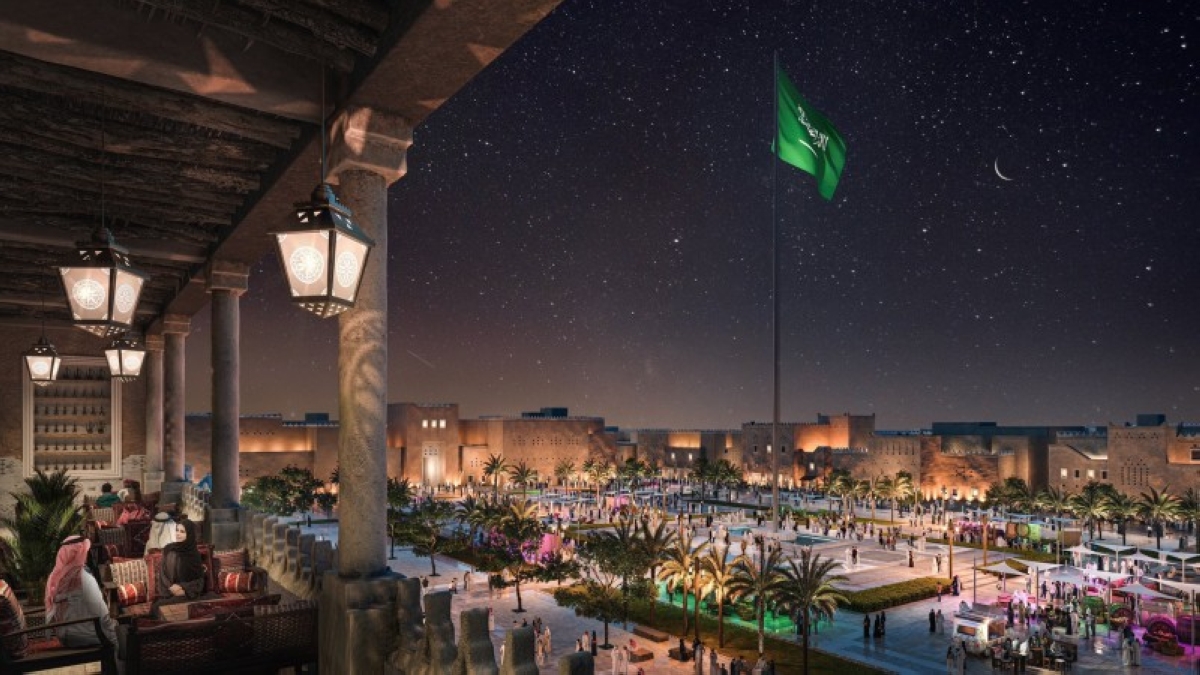

Riyadh is poised for significant development in 2026, with plans including a new metro line extension and a dedicated street-food district, all part of a broader initiative to enhance the city’s infrastructure, mobility, and quality of life. The Riyadh development program aims to accommodate rapid population growth and solidify the capital’s position as a regional hub for tourism and business. These projects, alongside ongoing environmental efforts, represent a substantial investment in the future of Saudi Arabia’s capital city.
The announced projects will impact residents and visitors alike, improving access to key destinations and offering new leisure options. Construction is expected to begin on the metro extension next year, while the Riyadh Food Street project will focus on creating a vibrant, pedestrian-friendly culinary experience. According to official statements, the initiatives are designed to support small businesses and enhance the city’s cultural landscape.
Expanding Riyadh’s Transportation Network
A key component of the 2026 Riyadh development plan is the addition of a seventh metro track. This new line will connect the historic Diriyah Gate area with the burgeoning entertainment and sports destination of Qiddiya. The initial implementation phase is scheduled to commence in 2026, though a precise completion date has not been announced.
Addressing Urban Mobility
The expansion of the Riyadh Metro system is a direct response to the city’s increasing population and the associated demands on its transportation infrastructure. The city has experienced substantial growth in recent years, fueled by economic diversification efforts and a rising number of residents. This growth necessitates improvements to public transport to alleviate congestion and provide efficient movement throughout the capital.
Beyond the new track, the Main and Ring Roads Axes Development Program will continue to be a priority. This program focuses on constructing new roadways and upgrading existing ones across a 500-kilometer network. Projects like the Second Southern Ring Road, Al-Thumama Road, and Taif Road in Laban are all geared toward improved traffic flow and connectivity, reducing commute times for residents.
A New Culinary Destination: Riyadh Food Street
The establishment of Riyadh Food Street is intended to offer a diverse and affordable dining experience for both locals and tourists. The new district will showcase a variety of global and local street-food concepts, providing opportunities for small culinary businesses to thrive. It aims to become a popular gathering place and contribute to the city’s vibrant cultural scene.
The concept emphasizes a pedestrian-focused design, fostering a community atmosphere and encouraging exploration. This aligns with broader urban planning goals to create more livable and walkable neighborhoods within Riyadh. The focus on local businesses also supports the Kingdom’s economic diversification initiatives, aiming to reduce reliance on oil revenue.
Sustainable Initiatives and Entertainment Expansion
Environmental sustainability remains a cornerstone of Riyadh’s future planning. The Green Riyadh program will see the planting of approximately 7.5 million trees across the city’s parks, streets, and public spaces. This ambitious project will significantly increase the per capita green space, raising it from 1.7 square meters to 28 square meters. Importantly, all new green areas will utilize treated water for irrigation, conserving valuable resources.
Additionally, Riyadh is investing heavily in its entertainment and sports offerings. The 2025/2026 Riyadh Season is expected to build on the success of previous iterations, featuring large-scale events across multiple zones. The city is also planning to host over 13 international sporting events next year, further enhancing its reputation as a global destination for recreation. The ongoing redevelopment of King Fahd Stadium is a key element of this strategy, aiming to create a state-of-the-art facility for major sporting competitions.
These developments are occurring within the context of Saudi Arabia’s Vision 2030, a strategic framework aimed at diversifying the economy and improving the quality of life for its citizens. The Riyadh development projects are a significant component of achieving these broader national goals. The city is also seeing increased investment in other sectors, such as technology and finance, further contributing to its economic transformation.
The success of these initiatives will depend on effective project management, coordination between various government agencies, and the ability to attract both domestic and foreign investment. The Riyadh development also faces challenges related to construction logistics and potential disruptions to existing infrastructure. Monitoring the progress of the metro expansion and the implementation of the Green Riyadh program will be crucial indicators of the city’s overall development trajectory.
Looking ahead, the next phase will involve detailed design work and securing necessary approvals for the metro extension. A more precise timeline for the completion of both the metro project and Riyadh Food Street is anticipated in the coming months. The ongoing evaluation of the environmental impact assessments and the allocation of resources for tree planting will also be key areas to watch as the urban development plans move forward.