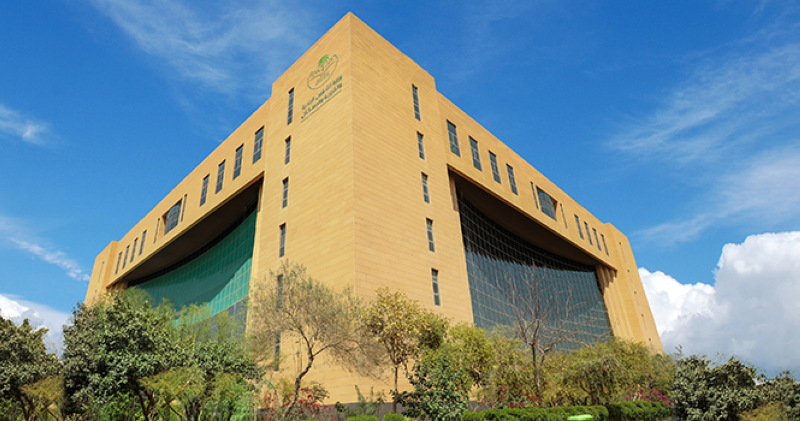

The Ministry of Municipalities and Housing in Saudi Arabia has begun issuing over 60,000 invoices for White Land Fees in Riyadh, initiating the first billing cycle for 2026 under the White Land Fees and Vacant Properties Program. These annual fees target undeveloped vacant land within designated urban areas, aiming to stimulate construction and address housing supply challenges. The issuance follows the completion of necessary regulatory and technical preparations, according to a recent ministry announcement.
The invoices represent the first wave of billing under the program, impacting landowners across approved geographic zones within Riyadh. Landowners now have a defined period to either settle the assessed fees or demonstrate substantial progress on developing their properties. This initiative is a key component of broader economic reforms spearheaded by Crown Prince Mohammed bin Salman.
Understanding the White Land Fees Program
The White Land Fees program is designed to discourage land speculation and encourage the efficient use of urban land resources. According to the ministry, the program aims to increase the supply of developable land, ultimately contributing to more affordable housing options. This is particularly relevant in rapidly growing cities like Riyadh, where demand consistently outpaces supply.
Program Mechanics and Compliance
Landowners receiving invoices have two primary options for compliance. They can pay the assessed annual fee, or they can initiate development on their land within one year of the invoice date. The ministry has indicated that grace periods will be considered for landowners who can demonstrate a genuine commitment to project development.
However, non-compliance carries potential penalties. The ministry warns that failure to pay the assessed fees could result in penalties reaching up to 100 percent of the original fee value. This underscores the importance of timely action for affected landowners.
Dispute Resolution Process
The ministry has established a clear process for landowners who believe their invoice is inaccurate or unfair. Landowners have 60 days from the date of notification to formally object to the issued invoice. These objections will be reviewed by a dedicated committee, which is obligated to issue a decision within another 60 days of submission, according to the ministry.
Impact on Riyadh’s Real Estate Market
The implementation of the White Land Fees is expected to have a significant impact on Riyadh’s real estate landscape. The program is anticipated to accelerate urban development by incentivizing landowners to build on previously vacant properties. This increased construction activity could lead to a greater availability of housing units and potentially moderate price increases.
Additionally, the program is expected to improve the utilization of existing infrastructure. Undeveloped land often places a strain on city resources without contributing to the tax base. By encouraging development, the program aims to create a more sustainable and efficient urban environment.
Meanwhile, the Itmam Developers Services Center is playing a crucial role in facilitating compliance. The center offers direct assistance to landowners, streamlining the licensing process, expediting approvals, and coordinating with various government entities. This support is intended to remove obstacles and encourage timely project completion.
The introduction of these fees aligns with Saudi Arabia’s broader Vision 2030 goals, which prioritize economic diversification and improved quality of life. Increased housing availability is a key component of achieving these objectives. Related initiatives, such as easing restrictions on foreign property ownership, are also contributing to the transformation of the Saudi real estate sector.
In contrast to previous approaches, this program utilizes a financial incentive – or disincentive – to encourage development. Earlier strategies often relied on regulatory pressure and zoning changes, which proved less effective in unlocking vacant land. The financial aspect of the White Land Fees is expected to be a more potent catalyst for change.
The program’s success will also depend on effective enforcement and ongoing monitoring. The ministry will need to consistently assess the impact of the fees and make adjustments as needed to ensure they are achieving their intended goals. Data on land development rates and housing supply will be crucial for evaluating the program’s effectiveness.
Looking ahead, landowners should prioritize reviewing their invoices through the White Land Fees and Vacant Properties online portal. The next key deadline will be the 60-day window for submitting objections, following invoice notification. The ministry has not yet specified a timeline for evaluating the initial billing cycle’s impact, but stakeholders will be watching for indications of increased construction activity and changes in land supply within Riyadh. Further details regarding future fee adjustments and program expansions remain to be seen.