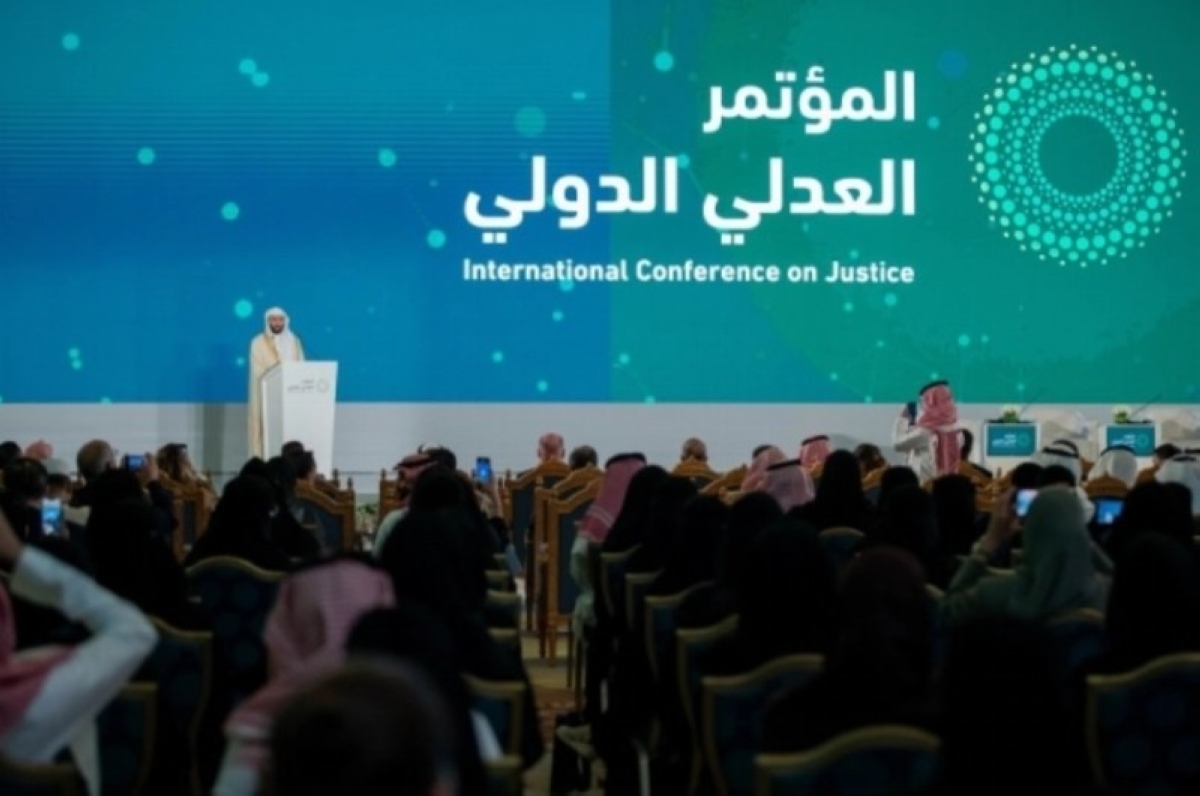

RIYADH – The Kingdom of Saudi Arabia is set to host the 2nd International Conference on Justice in Riyadh, beginning Sunday, bringing together legal professionals and government officials from over 40 nations. The two-day event, patronized by Crown Prince and Prime Minister Mohammed bin Salman, will focus on advancements in judicial systems and the pursuit of enhanced justice quality globally. Over 4,000 participants are expected to attend, signaling a growing international focus on modernizing legal frameworks.
Organized by the Saudi Ministry of Justice, the conference aims to foster collaboration and share best practices in areas critical to effective legal administration. Discussions will center on improving judicial processes, leveraging digital transformation, and strengthening international cooperation within the legal field. The event underscores Saudi Arabia’s increasing prominence as a hub for legal innovation and discussion.
Enhancing Judicial Quality: A Global Imperative
The conference’s core theme, judicial quality, has become increasingly important as nations grapple with evolving legal challenges and demands for greater transparency and efficiency. According to the Ministry of Justice, the event will explore this concept through a holistic lens, encompassing legislative developments, procedural improvements, and the implementation of robust performance metrics. This focus reflects a broader trend toward data-driven approaches to evaluating and improving court systems.
Key Areas of Discussion
Several specific areas will be addressed during the conference sessions. These include streamlining judicial procedures to reduce delays and enhance clarity, a common concern for many legal systems worldwide. The integration of technology, or digital transformation, will also be a major topic, examining how innovations can improve access to justice and operational efficiency.
Additionally, the conference will highlight the crucial role of the legal profession in maintaining a fair and effective justice system. The Ministry of Justice emphasizes the need for strong partnerships between the judiciary and legal practitioners. Preventive justice, a proactive approach to dispute resolution, will also be examined as a means of safeguarding rights before conflicts escalate.
International judicial cooperation is another key pillar of the conference agenda. Cross-border legal issues are becoming more prevalent in a globalized world, necessitating enhanced collaboration between nations to address challenges like extradition, enforcement of judgments, and combating transnational crime. The conference provides a platform for strengthening these vital connections.
The event’s timing coincides with ongoing reforms within Saudi Arabia’s own judicial system. These reforms, part of the Kingdom’s Vision 2030 plan, aim to modernize legal processes, enhance transparency, and improve the overall efficiency of the courts. The conference offers an opportunity to showcase these advancements to an international audience.
Alongside the conference sessions, an integrated judicial exhibition will be held. This exhibition will feature initiatives and services offered by the Ministry of Justice and related organizations, such as the Saudi Bar Association and the Entrustment and Liquidation Center. The exhibition is designed to provide attendees with a practical understanding of the tools and resources available to support judicial quality.
The focus on the “beneficiary journey” – the experience of individuals interacting with the justice system – is a notable aspect of the conference. Improving this journey is seen as essential for building public trust and ensuring that justice is accessible to all. This aligns with global trends toward people-centered justice initiatives.
Experts suggest that the growing interest in judicial quality stems from several factors, including increased public scrutiny of legal systems and a desire for more equitable outcomes. Furthermore, the rise of complex legal challenges, such as those related to technology and international commerce, demands more sophisticated and efficient judicial processes. The conference aims to address these evolving needs.
The participation of representatives from over 40 countries underscores the global relevance of the discussions. The exchange of knowledge and experiences will likely lead to the adoption of best practices and the development of innovative solutions to common challenges. This collaborative approach is considered vital for advancing the cause of legal reform worldwide.
Following the conference, the Ministry of Justice is expected to publish a summary of key findings and recommendations. The extent to which these recommendations are implemented within Saudi Arabia and adopted by other participating nations remains to be seen. Observers will be watching for concrete steps taken to translate the conference’s discussions into tangible improvements in judicial quality and access to justice. The long-term impact of the event will depend on sustained commitment to these goals.
The success of the conference in fostering meaningful dialogue and collaboration will be a key indicator of its value. Future events are likely to build on this momentum, further solidifying Saudi Arabia’s role in shaping the future of the global justice sector.