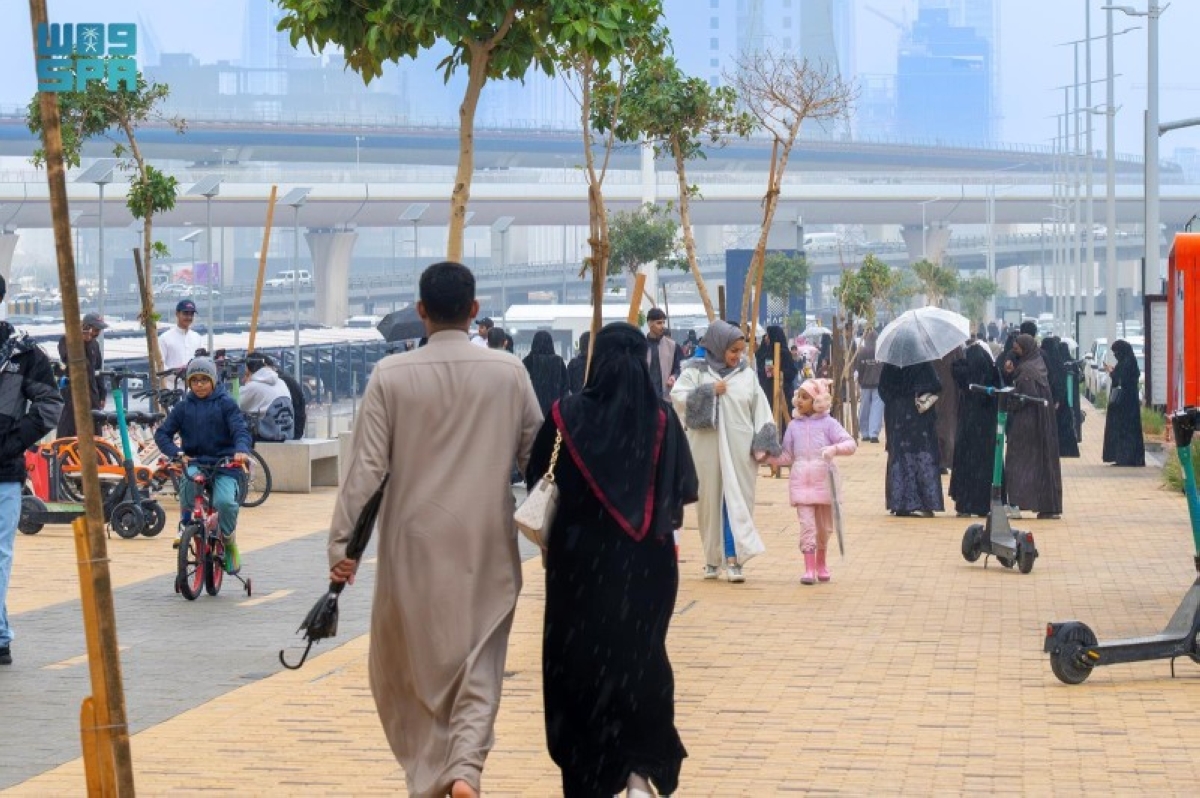

Riyadh, Saudi Arabia – Education officials in several Saudi Arabian regions, including Riyadh and the Eastern Province, have implemented a shift to remote learning for Tuesday due to anticipated severe weather conditions. This decision impacts a significant number of students and schools, transitioning in-person classes to online instruction through the Madrasati platform. The move prioritizes the safety of students and educational staff amidst ongoing rainfall and weather alerts.
The disruptions affect schools in Riyadh, Al-Ahsa, Dammam, Al-Khobar, Qatif, and numerous affiliated governorates across both provinces. The Qassim Education Department is taking a different approach, opting for a delayed start to the school day at 9:00 a.m. instead of a full switch to online classes. These measures are a direct response to warnings issued by the National Center for Meteorology regarding continued inclement weather.
Understanding the Shift to Remote Learning in Saudi Arabia
The decision to move to remote learning is a precautionary measure taken by education authorities to protect students and personnel from potential hazards associated with the forecasted weather. Heavy rainfall and possible flooding pose risks to transportation and school infrastructure, making in-person attendance unsafe. Saudi Arabia has invested heavily in digital education infrastructure in recent years, making a transition to online platforms like Madrasati feasible.
The Madrasati platform, developed by the Ministry of Education, provides a centralized hub for online learning resources, virtual classrooms, and communication tools. It was initially rolled out extensively during the COVID-19 pandemic and has since been refined and expanded to support blended and fully remote learning models. This existing infrastructure is crucial for minimizing disruption to the educational process.
Regional Breakdown of School Closures
In the Eastern Province, the suspension of in-person classes extends to Al-Ahsa, Dammam, Al-Khobar, Qatif, Al-Bayda, Jubail, Ras Tanura, Buqayq, Al-Nuairiyah, Qaryat Al-Ulya, and Al-Uyoun. This broad coverage indicates a widespread concern for safety across the region. The Ministry of Education has confirmed that all schools within these areas will operate remotely for the day.
Similarly, in the Riyadh region, the closure encompasses the capital city itself, along with the governorates of Diriyah, Al-Kharj, Al-Dilam, Al-Hareeq, Hawtat Bani Tamim, Thadiq, Huraymila, Al-Muzahimiyah, Rumah, and Dharmaa. This extensive list highlights the potential for significant travel difficulties and safety concerns for students and staff in these areas.
The Qassim region is experiencing a less severe disruption, with a two-hour delay to the start of the school day. This allows for a potential easing of weather conditions before students begin their commute. The Department of Education in Qassim will continue to monitor the situation and may adjust the schedule if necessary.
These decisions are not isolated incidents. Saudi Arabia has a history of temporarily suspending in-person classes during periods of extreme weather, particularly during the rainy season. The country’s diverse geography means that weather patterns can vary significantly across different regions, necessitating localized responses.
The National Center for Meteorology’s alerts have been instrumental in prompting these actions. The center provides real-time weather updates and forecasts, enabling education authorities to make informed decisions about school operations. These alerts typically include information about rainfall intensity, potential for flooding, and wind speeds.
The implementation of online education also relies on access to technology and internet connectivity. While Saudi Arabia has made strides in expanding broadband access, disparities may exist, particularly in rural areas. Education officials have not yet addressed potential challenges related to digital access for all students.
Additionally, the shift to remote learning requires teachers to adapt their instructional methods and utilize digital tools effectively. The Ministry of Education has provided training and support to educators to facilitate this transition, but the level of preparedness may vary across schools. Maintaining student engagement in a virtual environment also presents a unique set of challenges.
The impact on parents is also considerable. The sudden change in schedule requires parents to make arrangements for childcare and ensure that their children have the necessary resources to participate in online learning. Communication from schools regarding the remote learning schedule and expectations is crucial for minimizing disruption to family routines.
The current situation underscores the importance of proactive planning and preparedness for weather-related emergencies in the education sector. Investing in robust digital infrastructure, providing adequate training for teachers, and establishing clear communication protocols are essential steps for ensuring continuity of learning during challenging circumstances. The use of digital platforms is becoming increasingly vital for maintaining educational access.
Looking ahead, education authorities will continue to monitor the weather situation closely. A decision regarding the resumption of in-person classes will likely be made on Tuesday afternoon or Wednesday morning, depending on the severity of the weather and the recommendations of the National Center for Meteorology. Parents and students should stay informed through official channels for the latest updates and instructions. The long-term effects of these temporary closures on student learning outcomes remain to be seen.