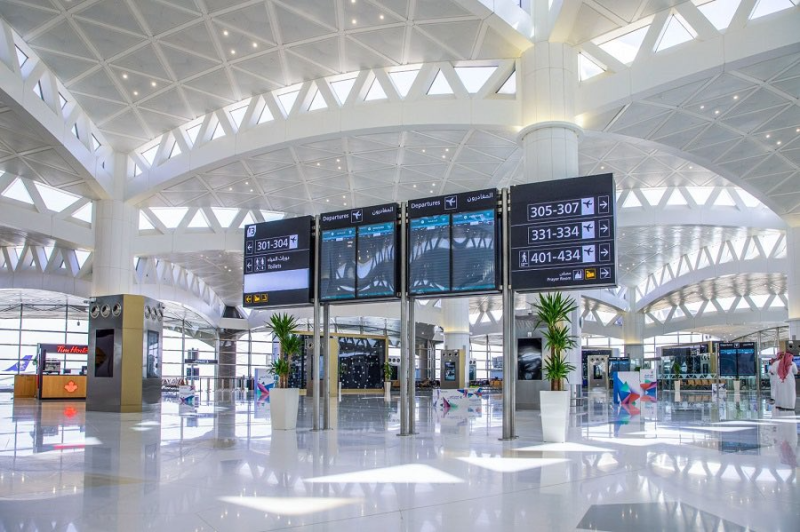

Riyadh Airport Flight Disruptions Resolved, following a day of significant delays and congestion at King Khalid International Airport (KKIA). Flight operations fully resumed on Saturday after nearly 200 flights were impacted on Friday, causing considerable inconvenience to travelers. The disruptions stemmed from a combination of factors, including diverted flights and planned maintenance, according to airport officials.
The peak of the issues occurred Friday morning, with reports of delays affecting both domestic and international airlines operating out of the Saudi capital. Passengers shared experiences of lengthy waits in terminals and uncertainty regarding their travel plans. KKIA administration has expressed regret for the disruption and emphasized its commitment to passenger safety.
Understanding the Riyadh Airport Delays
The recent instability at King Khalid International Airport was not attributable to a single event, but rather an unfortunate confluence of circumstances. A spokesperson for the airport stated the primary causes were a higher-than-anticipated volume of flight diversions from other regional airports coupled with scheduled, albeit extensive, maintenance on the airport’s fuel supply system. The details of why the other airports diverted flights have not been fully released, but likely involved regional weather patterns or operational constraints at those facilities.
Factors Contributing to the Congestion
The simultaneous arrival of diverted flights placed unexpected strain on KKIA’s resources. This included its air traffic control capacity, gate availability, and baggage handling systems. Additionally, the pre-planned maintenance on the fueling infrastructure further restricted the airport’s ability to quickly process and dispatch aircraft.
According to the airport’s follow-up statement, the combination of these factors necessitated changes to flight schedules, resulting in both delays and outright cancellations. The General Authority of Civil Aviation (GACA) was involved in coordinating the response and ensuring that passenger rights were protected throughout the process.
The airport acknowledged the scale of the problem, confirming that approximately 200 flights were affected on Friday. Operational teams immediately prioritized restoring schedule stability, working continuously to mitigate the impact on travelers. This involved re-allocation of resources and close collaboration with airline personnel.
While the airport focused on fixing the immediate issue, passengers faced challenges accessing information and rebooking options. Several airlines utilized social media platforms to provide updates, but communication remained fragmented for some, particularly those traveling on connecting flights. The Riyadh Airport situation highlights the interconnectedness of air travel and the potential for cascading disruptions.
The airport addressed concerns about baggage for cancelled flights, stating that it is working with airlines to facilitate retrieval for affected passengers. This includes establishing designated areas and providing assistance with the process. Passengers are advised to check with their respective airlines for the most up-to-date information regarding baggage claims.
This incident occurs during a period of increased air travel demand in Saudi Arabia, fueled in part by the country’s efforts to diversify its economy and attract tourism. The Kingdom’s Vision 2030 plan includes significant investment in infrastructure, including airport expansions and upgrades. This has led to both increased capacity and ongoing renovation projects at key facilities like KKIA. Improved air traffic management is a key component of this growth.
The focus now will be on preventing similar occurrences in the future, particularly as peak travel seasons approach. Airport officials have indicated that a full review of operational procedures is underway, analyzing the factors that contributed to the delays and identifying areas for improvement. This review will likely include an assessment of communication protocols and contingency plans for handling large-scale flight diversions. The airport is also evaluating its maintenance scheduling to minimize potential disruptions.
Looking ahead, the next steps involve the completion of the operational review, expected within the next two weeks, and the implementation of any recommended changes. The effectiveness of these measures will be closely monitored, especially during the upcoming Hajj and Eid holidays, which represent periods of exceptionally high travel volume. Further reports from GACA outlining any changes to airport operations are anticipated, and continued coordination between the airport and airlines will be vital for ensuring a smooth travel experience for passengers in Riyadh.
The long-term impact of these disruptions on passenger confidence remains to be seen. However, KKIA’s prompt response and commitment to addressing the issues suggest a proactive approach to maintaining its operational standards.