
Oman’s economic outlook for 2026 appears robust, with the Sultanate projecting continued growth and fiscal stability. Recent announcements detail the General State Budget for 2026, forecasting total revenues of approximately RO 11.447 billion, calculated on an average oil price of $60 per barrel. This represents a 2.4% increase over the 2025 approved revenues, signaling a positive trajectory for the nation’s finances. The budget reflects a commitment to both economic diversification and social welfare, building on the successes of the Tenth Five-Year Development Plan.
Oman’s 2026 Budget: A Detailed Overview
The Ministry of Finance recently unveiled the financial framework for the Eleventh Five-Year Development Plan (2026-2030) alongside the 2026 General State Budget. Total public expenditure is estimated at RO 11.977 billion, a 1.5% rise from 2025. Despite increased spending, the projected budget deficit for 2026 is a manageable RO 530 million – a 14.5% decrease from the 2025 deficit. This deficit represents 4.6% of total revenues and 1.3% of Oman’s Gross Domestic Product (GDP), demonstrating improved fiscal discipline.
Economic Growth and GDP Projections
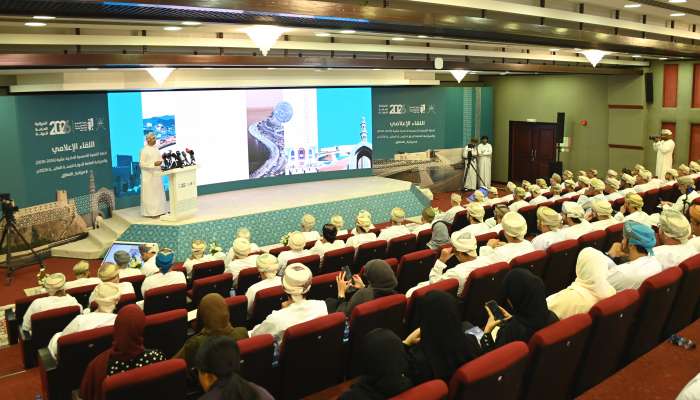
Minister of Finance Sultan Salim Al-Habsi highlighted the sustained growth of Oman’s economic activity. Real GDP (at constant prices) is projected to reach approximately RO 39.2 billion by the end of 2025, a significant 14% increase since the start of the Tenth Plan (from RO 34.5 billion in 2021). Crucially, inflation has remained under control, with an average rate of around 0.9% until November 2025, thanks to government policies supporting essential goods and services like petroleum products, electricity, and water. This stable economic environment is fostering increased investor confidence.
Boosting Investment and Diversification
Oman is actively working to attract Foreign Direct Investment (FDI), and the results are promising. By the third quarter of 2025, FDI reached RO 30.3 billion, a substantial 71% increase compared to the same period in 2021. This growth is attributed to a more streamlined business environment and dedicated efforts to attract investment.
Muscat Stock Exchange Performance
The Muscat Stock Exchange is also experiencing a period of strong performance. Market capitalization has increased by approximately 60% since 2020, exceeding RO 32.2 billion. Trading value has surged by over 1013% since 2020, surpassing RO 4.9 billion, making it one of the best-performing markets in the GCC region and ranking fourth globally as of October 2025. These indicators demonstrate the success of governmental efforts to enhance the efficiency and appeal of Oman’s securities market.
The Role of Oman Investment Authority and Future Fund Oman
The Oman Investment Authority (OIA) is playing a vital role in economic growth through restructuring government companies and managing both domestic and foreign investments. The OIA’s assets have grown to approximately RO 21 billion, diversified across 50 countries, fostering economic alliances and facilitating knowledge transfer. During the Tenth Five-Year Plan, the OIA contributed over RO 4.4 billion to the General State Budget.
Furthermore, Future Fund Oman is actively attracting investments, supporting private sector institutions, and accelerating the growth of startups and SMEs. By the end of 2025, the Fund had approved investments in 164 projects, with a total financial commitment of RO 462 million, including RO 104 million specifically for startups and SMEs. This focus on supporting smaller businesses is key to long-term economic diversification.
Social Development and Infrastructure Investment
The Sultanate has witnessed tangible improvements in social, financial, and economic indicators. The fiscal breakeven oil price has decreased from over $100 before the Tenth Plan to approximately $68 per barrel in 2025, a testament to expenditure control and increased non-oil revenues. Non-oil revenues have grown by about 41%, from RO 2.1 billion in 2020 to approximately RO 3.5 billion by the end of 2025.
Significant investments are being made in social sectors. Allocations for governorate development have increased from RO 285 million in 2021 to RO 983 million by the end of 2025. The government is prioritizing projects directly benefiting citizens, focusing on education, healthcare, roads, and housing. Social protection programs, benefiting over 1.5 million citizens, will receive approximately RO 614 million in the 2026 budget, an increase from RO 577 million in 2025.
Key Infrastructure Projects
- 113 new schools have had tenders awarded during the Tenth Plan, with 49 already delivered and the remainder scheduled for 2026-2027.
- Construction of 11 hospitals and 19 health centers was approved, with several already completed and more planned for delivery in 2026.
- Approximately 2,525 kilometers of roads have been awarded at a cost of RO 2.7 billion.
- The housing sector received RO 545 million during the Tenth Plan, alongside support for Oman Housing Bank loans.
Looking Ahead: Economic Transformation and Sustainable Growth
A dedicated pathway for Economic Transformation Projects has been established within the development budget, allocating RO 400 million annually, rising to RO 1.3 billion for the Eleventh Five-Year Plan. The government remains committed to reducing public debt, which is estimated to reach approximately RO 14.6 billion by the end of 2025, representing 36% of GDP.
The 2026 Oman budget demonstrates a clear strategy for sustainable growth, balancing fiscal responsibility with investments in crucial social and economic sectors. Any additional revenues generated from higher oil prices will be used to cover the budget deficit and reduce public debt, further strengthening the Sultanate’s financial position. The focus on diversification, attracting investment, and improving the business environment positions Oman for continued prosperity in the years to come.