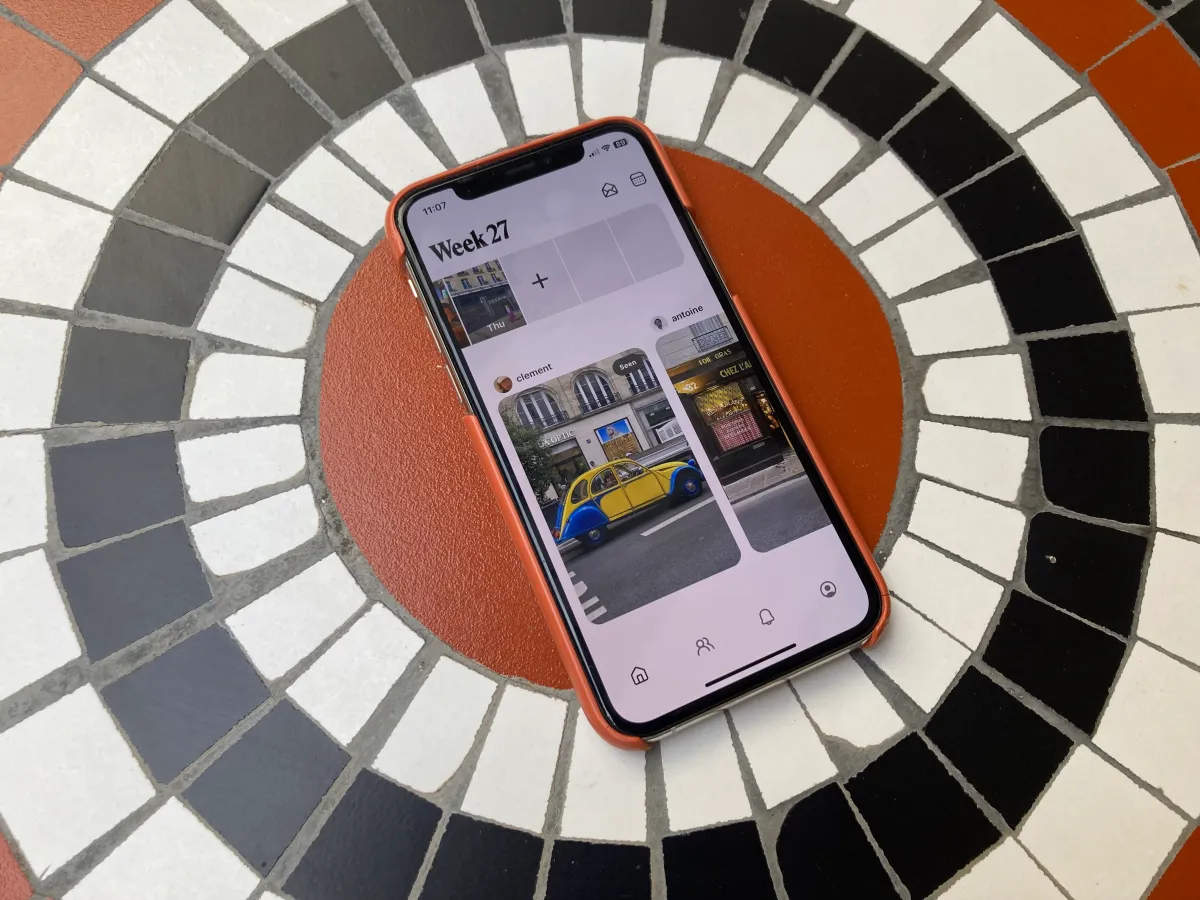

Retro, a photo-sharing app boasting around one million users, is introducing a new “Rewind” feature designed to let users revisit and share past memories directly from their phone’s camera roll. The app, focused on private sharing with close friends, aims to offer a more personal and nostalgic experience compared to algorithm-driven social media feeds. This new addition allows for individual exploration of past photos, with the option to share them with friends if desired.
Retro Adds “Rewind” Feature for Personal Photo Memories
The inspiration for Rewind stemmed from an existing feature within Retro that proved popular with users. Currently, the app displays a card at the end of a weekly photo feed showing what friends shared, with an option to view the user’s own photos from the same week a year prior. Retro co-founder Nathan Sharp explained that newer users couldn’t access this feature initially, as they hadn’t uploaded enough photos to generate those “year ago” memories.
Addressing Photo Overload and Algorithm Fatigue
Sharp, a former Meta employee with experience on Instagram Stories and Facebook Dating, noted that people are taking more photos than ever before, but often aren’t actively engaging with those images. “It’s almost as if those photos go into the ether,” he said. Rewind aims to combat this by providing a dedicated space for revisiting personal photo history.
Additionally, the feature represents a subtle pushback against the increasing dominance of AI-powered content feeds. Sharp believes that despite the rise of algorithmic content, people will continue to value seeing updates from their friends and close connections. Retro aims to provide a platform where personal photos can reach their intended audience, rather than getting lost in a broader stream of information.
How Rewind Works
Users can access Rewind either through a card at the end of their weekly photo feed or via a dedicated tab in the app’s bottom navigation bar. Upon launching, the screen cycles through older photos from the user’s camera roll, accompanied by haptic feedback. Users can share photos directly from Rewind, with a timestamp indicating the original date the photo was taken.
The feature also includes options for customization. Users can hide specific photos they don’t want to see, or use a “dice” icon to jump to a random memory. The interface is designed to mimic the feel of older devices, with an iPod-inspired dial for navigating through time. Deleting a photo within Rewind also removes it from the user’s camera roll.
Competition and the Future of Photo Sharing
The concept of revisiting old photos isn’t new. Services like Timehop and features within Facebook and Google Photos have previously explored similar ideas. However, Sharp argues that Retro differentiates itself by focusing on private sharing and fostering genuine connections between friends. He believes Facebook’s feed has become too cluttered with non-friend content, while Google Photos and Apple Photos are primarily viewed as storage utilities rather than social platforms.
Currently, approximately 45.7% of Retro’s users engage with the app daily. The company hopes Rewind will further increase user engagement by providing a compelling reason to return to the app and rediscover past memories. The addition of this feature also aligns with a broader trend of users seeking more authentic and less algorithmically-driven social experiences.
Looking ahead, Retro will be monitoring user engagement with Rewind to assess its impact on daily active users and overall app usage. The company plans to gather feedback from users to refine the feature and potentially add new functionalities, such as improved filtering options or the ability to create themed memory collections. The success of Rewind will likely influence Retro’s future development roadmap as it seeks to carve out a niche in the competitive landscape of photo sharing apps and social media platforms, offering a unique blend of nostalgia and digital wellbeing.