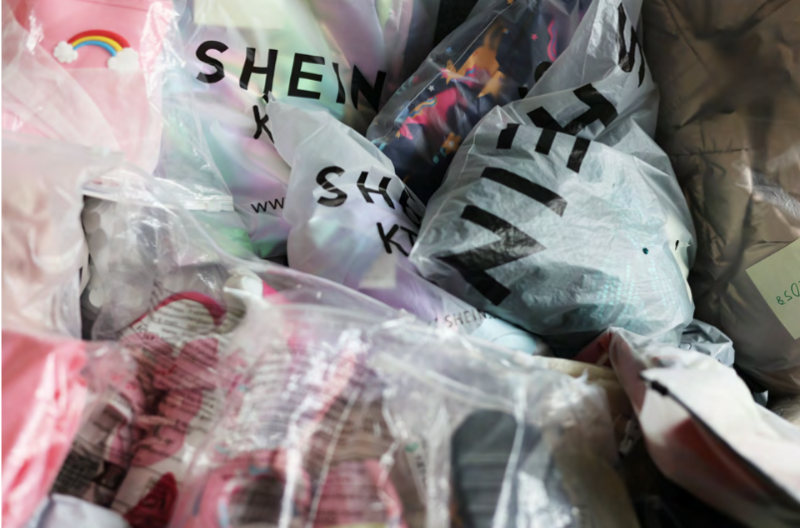

BERLIN — Hazardous chemicals continue to be found in clothing sold by fast-fashion retailer Shein, according to a recent report by Greenpeace Germany. The investigation revealed that over 30% of tested garments contained levels of substances exceeding European safety regulations. This raises concerns about potential health risks for consumers and environmental contamination from the popular online brand.
The report, released this week, examined 56 items of Shein apparel and found 18 contained concerning levels of dangerous chemicals. These findings include items marketed towards children, amplifying the potential for harm. Greenpeace’s analysis focused on substances regulated under the European Union’s REACH (Registration, Evaluation, Authorisation and Restriction of Chemicals) regulation.
Shein Clothing and Chemical Safety Concerns
The primary concern highlighted by the Greenpeace report centers on the presence of phthalates and per- and polyfluoroalkyl substances (PFAS) in Shein’s clothing. Phthalates, commonly used as plasticizers, have been linked to reproductive and developmental issues. PFAS, often referred to as “forever chemicals” due to their persistence in the environment, are used for water and stain resistance.
Health Impacts of Chemical Exposure
Exposure to PFAS has been associated with a range of adverse health effects, including certain types of cancer, weakened immune systems, and developmental problems in children, according to the United States Environmental Protection Agency. The report indicates that consumers can be exposed to these chemicals through direct skin contact with the clothing, absorption through sweat, or inhalation of microfibers released during wear and washing.
However, the risks aren’t limited to consumers. Greenpeace warns that workers in Shein’s supply chain and communities near production facilities are likely exposed to higher concentrations of these chemicals. This exposure can occur during the manufacturing process, potentially leading to acute and chronic health problems.
Additionally, the chemicals don’t simply disappear after use. When clothing is laundered, these substances are released into wastewater systems. Discarded garments in landfills can also leach chemicals into the soil and groundwater, contributing to widespread environmental pollution. This poses a threat to ecosystems and potentially enters the food chain.
Shein has faced scrutiny before regarding its environmental and social practices. The company’s business model relies on rapid production of inexpensive clothing, often leading to concerns about labor conditions and waste generation. The fast fashion industry, as a whole, is under increasing pressure to improve sustainability and transparency.
In contrast to some other retailers, Shein does not publicly disclose a comprehensive list of restricted chemical substances used in its supply chain. This lack of transparency makes it difficult for independent organizations to verify the safety of its products. The company has previously stated its commitment to complying with relevant regulations, but Greenpeace argues that its testing results demonstrate a continued failure to adequately address chemical safety.
The European Commission is currently considering stricter regulations on PFAS, potentially including bans on their use in certain applications. These proposed regulations, if enacted, could significantly impact the textile industry and force companies like Shein to find alternative materials and manufacturing processes. The debate over regulating Shein and similar brands is ongoing, with advocates calling for greater accountability and stricter enforcement of existing laws.
Looking ahead, Greenpeace Germany has called on Shein to eliminate the use of hazardous chemicals from its supply chain and increase transparency regarding its chemical management practices. The organization plans to continue monitoring Shein’s products and advocating for stronger regulations. A response from Shein regarding the report’s findings is anticipated within the coming weeks, and further investigation by regulatory bodies remains a possibility.