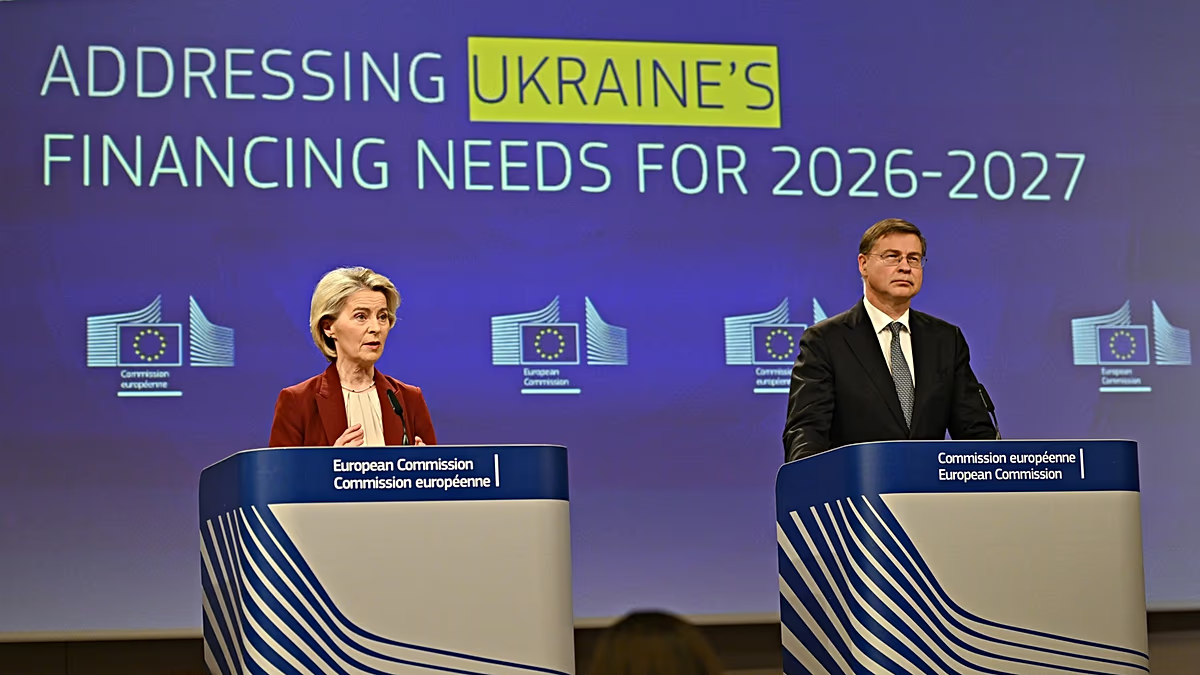

The European Union’s ambitious plan to fund Ukraine through a reparations loan utilizing immobilized Russian assets faces significant headwinds, as Euroclear, the key custodian holding those assets, voiced serious concerns on Friday. The company warned the proposal is “very fragile,” carries substantial legal and financial risks, and could trigger capital flight from the eurozone. This setback comes ahead of a crucial EU summit on December 18th, where leaders will attempt to finalize a funding mechanism for Ukraine’s ongoing needs.
German Chancellor Friedrich Merz, Belgian Prime Minister Bart De Wever, and European Commission President Ursula von der Leyen met in Brussels Friday to address the impasse. The core of the issue revolves around the EU’s intention to leverage approximately €90 billion from frozen Russian Central Bank assets to cover a portion of Ukraine’s estimated €135 billion financing gap over the next two years.
Euroclear Raises Concerns Over the Reparations Loan Scheme
Euroclear’s primary objection centers on the unprecedented nature of the proposal and the potential for unintended consequences. A spokesperson for the company stated the plan involves “a great deal of legal innovation” that raises numerous questions about its viability and potential repercussions. They emphasized the risks to Euroclear, Belgium, the EU, and broader financial markets.
The proposed scheme would see the European Commission issue a zero-interest line of credit to Ukraine, expecting repayment only if Russia agrees to compensate Ukraine for war damages – a scenario widely considered improbable. Euroclear also expressed concerns about its ability to meet obligations if sanctions are lifted before the EU can secure the necessary €185 billion in guarantees.
Belgium, where Euroclear is based, is a pivotal player in this debate. Belgian authorities fear potential legal challenges from Russia, which could result in a demand for the return of the assets, potentially bankrupting the country, according to some estimates. The Commission has proposed a qualified majority vote to ensure long-term immobilization of the assets and emergency lending to member states facing financial strain, but these measures haven’t fully alleviated Euroclear’s concerns.
Potential for Retaliation and Investor Flight
Beyond legal and financial risks, Euroclear is worried about potential retaliation from Russia. The Kremlin could seize assets Euroclear holds on behalf of clients within Russia or in jurisdictions aligned with Moscow. While the Commission suggests tapping into Russian counterpart assets held within the EU, legal complexities remain.
Furthermore, Euroclear warns that the plan could be perceived as unlawful confiscation by international investors, leading to a loss of confidence in European financial markets and increased borrowing costs for all EU member states. Von der Leyen acknowledged this risk in a recent letter to EU leaders, while still maintaining the legal soundness of the proposal. Reuters provides further details on the EU’s considerations.
Meanwhile, the United States is reportedly lobbying against the plan, arguing it could prolong the war. Bloomberg reported the US has urged “several” member states to block the loan, suggesting it could hinder peace negotiations. Euroclear CEO Valerie Urbain echoed this sentiment, suggesting the funds might be better allocated to diplomatic efforts.
If the reparations loan fails to gain traction, the EU will likely need to resort to issuing common debt to finance Ukraine, an option favored by Belgium. This would involve raising €90 billion on the financial markets, potentially at a higher cost than utilizing the frozen Russian assets. The debate also highlights the broader issue of the ongoing conflict in Ukraine and the international efforts to support the country.
The situation remains fluid as EU leaders prepare for their December 18th summit. The outcome will significantly impact Ukraine’s financial stability and the future of EU-Russia relations. Observers will be closely watching for any signs of compromise or alternative funding solutions as the deadline approaches. Stakeholders should monitor developments closely for potential shifts in policy and market reactions.