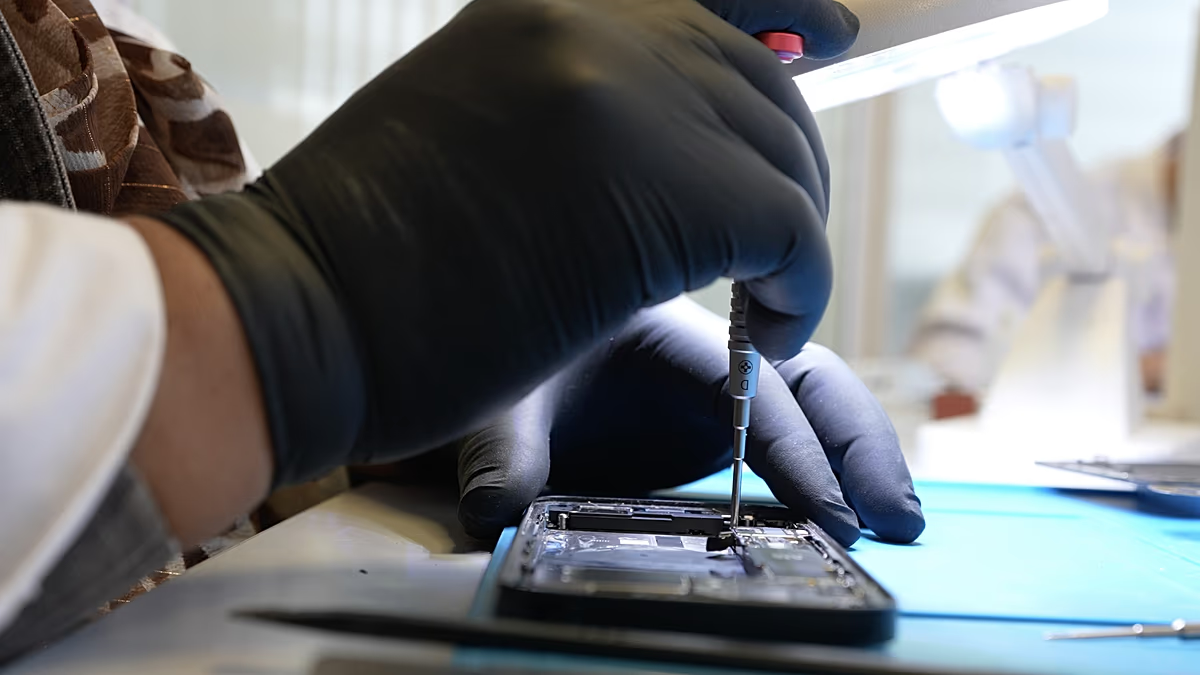

The refurbished electronics market is experiencing significant growth across Europe, driven by increasing consumer awareness of sustainability and supportive government policies. French company CertiDeal, a leader in this sector since 2016, exemplifies this trend by providing accessible technology and fostering social impact through its training programs. This rise in the second-hand tech space is projected to continue, reshaping how consumers purchase and dispose of electronic devices.
Founded in 2016, CertiDeal has quickly become a prominent player in France’s re-commerce landscape. The company focuses on providing high-quality, reconditioned smartphones, tablets, and laptops, offering consumers a more affordable and environmentally friendly alternative to buying new. CertiDeal’s success is linked to a broader shift in consumer attitudes towards pre-owned goods.
The Growing Appeal of Refurbished Electronics
Historically, purchasing used products carried a stigma. However, CertiDeal founder and CEO Laure Cohen notes a change in mindset, with consumers increasingly prioritizing ecological, environmental, social, and economic considerations. This shift is particularly noticeable among younger generations who are more attuned to the impact of consumerism.
The benefits of choosing refurbished electronics extend beyond cost savings. Extending the lifespan of existing devices reduces electronic waste, a major environmental concern. According to the United Nations, e-waste is the fastest-growing waste stream in the world, posing risks to human health and the environment.
European Policy Driving Market Expansion
Government regulations are playing a crucial role in accelerating the growth of the refurbished market. European Union directives promoting the “right to repair” and ensuring access to spare parts are making it easier and more cost-effective to fix broken devices. These policies aim to reduce waste and encourage a circular economy.
Additionally, initiatives focused on reducing electronic waste are creating a more favorable environment for companies like CertiDeal. The EU is actively working to establish stricter standards for product durability and recyclability, further incentivizing the adoption of refurbished options. These regulations are expected to continue evolving, strengthening the market for pre-owned technology.
CertiDeal’s Social Impact: The CertiAcadémie
CertiDeal distinguishes itself not only through its business model but also through its commitment to social responsibility. The company operates as a social and solidarity economy enterprise, prioritizing positive social impact alongside financial performance.
A key component of this commitment is the CertiAcadémie, a training program designed to help individuals undergoing career transitions or facing employment challenges. The program provides participants with the skills needed to repair and refurbish electronic devices, opening up new employment opportunities. One trainee, Patricia, described the program as empowering, noting the sense of accomplishment in giving devices a new life.
This initiative addresses two critical issues: the skills gap in the electronics repair industry and the need for inclusive employment opportunities. By investing in training and providing pathways to employment, CertiDeal is contributing to a more sustainable and equitable economy.
The market for second-hand phones and other electronics is predicted to reach €30 billion by 2033, demonstrating the substantial growth potential. This expansion will likely lead to increased competition and innovation within the industry. Furthermore, the demand for sustainable technology is expected to continue rising, driven by growing environmental concerns and consumer preferences.
Looking ahead, the refurbished electronics sector is poised for continued expansion. Consumers are becoming more informed and discerning, seeking out affordable and environmentally responsible options. Companies like CertiDeal, with their commitment to quality, sustainability, and social impact, are well-positioned to capitalize on this growing trend. Keep an eye on evolving EU regulations and the increasing adoption of circular economy principles as key factors shaping the future of this dynamic market.