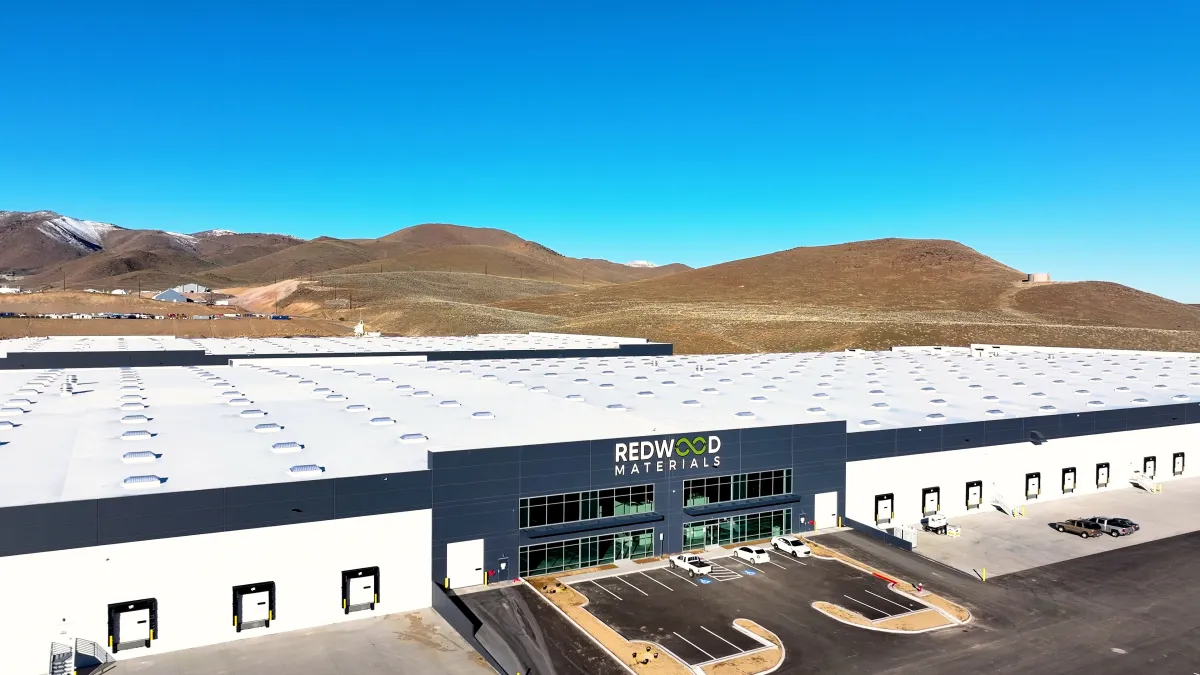

Redwood Materials, a leading company in battery recycling, is reducing its workforce by approximately 5%, according to a recent report by Bloomberg News. The cuts, impacting roughly 60 employees, come just months after the Nevada-based firm secured $350 million in Series E funding. Redwood Materials focuses on extracting valuable materials from end-of-life batteries and manufacturing cathode materials for new battery production, playing a key role in the electric vehicle supply chain.
The layoffs affect employees across various departments at Redwood Materials, which currently employs around 1,200 people. While the exact reasons for the reduction remain undisclosed, the move suggests a recalibration of resources following a period of rapid expansion and investment. The company has not yet publicly commented on the specifics of the workforce adjustment.
Understanding Redwood Materials and the Battery Recycling Landscape
Founded in 2017 by J.B. Straubel, a co-founder of Tesla, Redwood Materials was initially established to address the growing need for sustainable battery material sourcing. The company’s early operations centered on recovering materials like lithium, cobalt, nickel, and copper from manufacturing scrap and end-of-life consumer electronics. This process reduces reliance on newly mined materials and mitigates the environmental impact associated with battery production.
However, Redwood Materials has evolved beyond simply recycling. It has significantly expanded its capabilities to include the production of cathode active materials (CAM), a critical component in lithium-ion batteries. This vertical integration allows the company to control a larger portion of the electric vehicle battery supply chain and offer a more comprehensive solution to battery manufacturers.
Growth and Recent Investment
The $350 million funding round in October 2023 valued Redwood Materials at approximately $6 billion, according to TechCrunch. This capital injection was intended to support the company’s ambitious expansion plans, including scaling up cathode production and establishing a larger presence in the energy storage market. The company has been actively building new facilities to meet the increasing demand for its services and products.
Redwood Materials has also ventured into repurposing used EV batteries for stationary energy storage applications. This new business line capitalizes on the growing demand for reliable and sustainable energy storage solutions, particularly driven by the energy-intensive needs of artificial intelligence data centers. As of June, the company had accumulated over 1 gigawatt-hour of batteries for these second-life applications.
Reasons Behind the Workforce Reduction
While Redwood Materials hasn’t provided a detailed explanation for the layoffs, several factors could be contributing to the decision. The rapid growth of the company may have led to some redundancies or inefficiencies in its organizational structure. Streamlining operations is a common practice for companies scaling up quickly.
Additionally, the broader economic climate and fluctuations in the demand for electric vehicles could be playing a role. Recent reports indicate a slight slowdown in EV sales growth in some markets, potentially impacting the demand for battery materials and recycling services. This slowdown may necessitate a more cautious approach to spending and resource allocation.
The lithium-ion battery market, while still expanding, is also becoming increasingly competitive. New players are entering the recycling space, and established mining companies are investing in refining and processing capabilities. Redwood Materials may be adjusting its strategy to maintain its competitive edge in this evolving landscape.
Implications for the Battery Supply Chain
The workforce reduction at Redwood Materials, despite its recent funding, highlights the challenges and complexities of building a sustainable battery supply chain. While the long-term outlook for battery recycling remains positive, the industry is still in its early stages of development.
The company’s continued focus on cathode production is particularly significant. The United States currently relies heavily on foreign sources for cathode materials, primarily China. Redwood Materials’ efforts to establish domestic cathode manufacturing capacity are crucial for reducing supply chain vulnerabilities and supporting the growth of the U.S. EV industry.
The move also underscores the importance of finding viable second-life applications for used EV batteries. Repurposing these batteries for energy storage can extend their useful life and reduce the need for immediate recycling, maximizing the value of the materials and minimizing waste. This is a key aspect of a circular economy for batteries.
The impact on Redwood’s ability to meet its production goals remains to be seen. The company’s ability to navigate these challenges will be closely watched by industry stakeholders, including automakers, battery manufacturers, and government agencies.
The company’s spokesperson declined to comment further on the details of the layoffs or their potential impact on future operations. However, the restructuring suggests a strategic shift towards greater efficiency and a more focused approach to growth.
Looking ahead, Redwood Materials is expected to continue its expansion of cathode production facilities and its efforts to secure long-term supply agreements with battery manufacturers. The company’s success in these areas will be critical for establishing a robust and sustainable domestic battery supply chain. Monitoring the company’s progress in scaling up production and securing new partnerships will be key to understanding its future trajectory and the overall health of the battery materials sector.