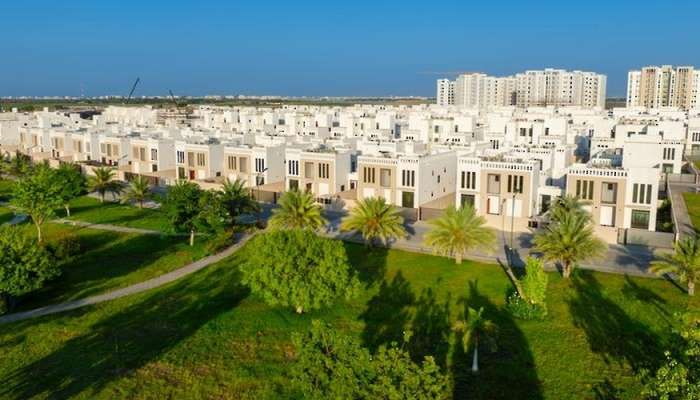

Oman Real Estate Market Surges: A Deep Dive into Q3 2025 Price Increases
The Sultanate of Oman’s real estate market is experiencing significant growth, with the latest data revealing a substantial increase in property values. According to the National Centre for Statistics and Information (NCSI), the Muscat real estate price index rose by a remarkable 17.3 percent in the third quarter of 2025 compared to the same period in 2024. This surge indicates a robust and evolving property landscape, attracting both investors and potential homeowners. This article will delve into the specifics of this growth, examining trends across different property types and governorates within Oman.
Understanding the Overall Real Estate Price Index Growth
The overall increase of 17.3% isn’t uniform across all sectors. The commercial real estate price index saw a rise of 14.6 percent, largely fueled by a significant 19 percent jump in commercial land prices. However, not all commercial properties benefited; retail shop prices actually experienced a decrease of 8.5 percent, while industrial land prices saw a more moderate increase of 5.5 percent.
This mixed performance highlights a nuanced market where demand and economic factors are playing out differently across various commercial segments. Understanding these specific trends is crucial for investors looking to capitalize on opportunities within the Omani property market.
Residential Property: The Driving Force Behind the Growth
The residential property sector is demonstrably leading the charge in this market upswing. The residential property price index achieved a strong growth rate of 18.7 percent in Q3 2025, exceeding the overall index increase. This growth was broad-based, with significant increases observed in several key areas.
Breakdown of Residential Property Price Increases
- Residential Land: Prices increased by an impressive 19.6 percent.
- Residential Apartments: Saw a substantial rise of 22.4 percent, indicating strong demand for apartment living.
- Villas: Villa prices also experienced healthy growth, increasing by 16.5 percent.
- Other Houses: While the majority of residential properties saw price increases, prices for “other houses” (a potentially broader category encompassing townhouses and similar dwellings) decreased slightly by 0.5 percent.
This data suggests a strong preference for land and apartment investments, potentially driven by factors like affordability and lifestyle choices. The increasing demand for villas also points to a growing segment of the population seeking larger, more luxurious homes. This trend in Oman property investment is attracting attention regionally.
Regional Variations: Muscat Leads the Way
The growth in Oman real estate isn’t evenly distributed across the Sultanate’s governorates. Muscat Governorate is experiencing the most dramatic increases, with residential land prices soaring by 48.3 percent compared to the same quarter last year. This makes Muscat a hotspot for property investment and development.
Following Muscat, Musandam Governorate recorded a significant increase of 29.7 percent, while Al Dakhiliyah Governorate saw a rise of 12.3 percent. South Al Batinah (8.7%), North Al Batinah (8.1%), and Dhofar (4%) also experienced growth, albeit at lower rates.
However, several governorates bucked the trend, experiencing declines in residential land prices. Al Dhahirah Governorate saw the largest decrease at 25.8 percent, followed by Al Buraimi (-24.6%) and Al Wusta (-13.3%). North and South Al Sharqiyah Governorates also recorded decreases of 4 percent and 2.2 percent respectively. These regional disparities highlight the importance of localized market analysis when considering property investments. Factors like infrastructure development, economic activity, and local demographics likely contribute to these varying trends.
Factors Driving the Market and Future Outlook
Several factors are likely contributing to this surge in Oman’s real estate market. Increased foreign investment, government initiatives to promote economic diversification, and a growing population are all playing a role. The recent economic reforms and the overall positive outlook for the Omani economy are also boosting investor confidence.
The increasing interest in property in Oman from GCC nationals and expatriates is also contributing to the demand, particularly in Muscat. However, the decreases observed in some governorates suggest that careful consideration of regional dynamics is essential.
Conclusion: A Dynamic Market with Opportunities
The Q3 2025 data clearly demonstrates a thriving real estate market in Oman, with the Muscat real estate price index leading the way. The 17.3 percent overall increase, driven primarily by residential property growth, presents significant opportunities for investors and homeowners alike. However, the regional variations underscore the need for thorough due diligence and localized market analysis.
Staying informed about these trends and understanding the underlying economic factors will be crucial for navigating this dynamic market and making informed decisions. For further insights into specific property opportunities and market forecasts, consult with local real estate professionals and stay updated on reports from the NCSI.