
The United Arab Emirates (UAE) marked its National Day on December 2nd with spectacular fireworks displays, dazzling light shows, and celebrations highlighting the nation’s cultural heritage. Events took place across all seven emirates, drawing both residents and tourists to witness the vibrant displays of patriotism and unity. These annual celebrations reflect the UAE’s founding in 1971 and the subsequent unification of the emirates into a single nation.
Across the country, major landmarks were illuminated with themed projections, and cultural performances showcased the country’s traditions. Abu Dhabi hosted a headline fireworks display at the Corniche, while Dubai saw shows at Burj Khalifa, Dubai Festival City, and Bluewaters Island. The extensive safety precautions implemented throughout the UAE ensured that all events proceeded smoothly, according to statements from local authorities.
A Nation Illuminated: The Scale of the UAE Fireworks
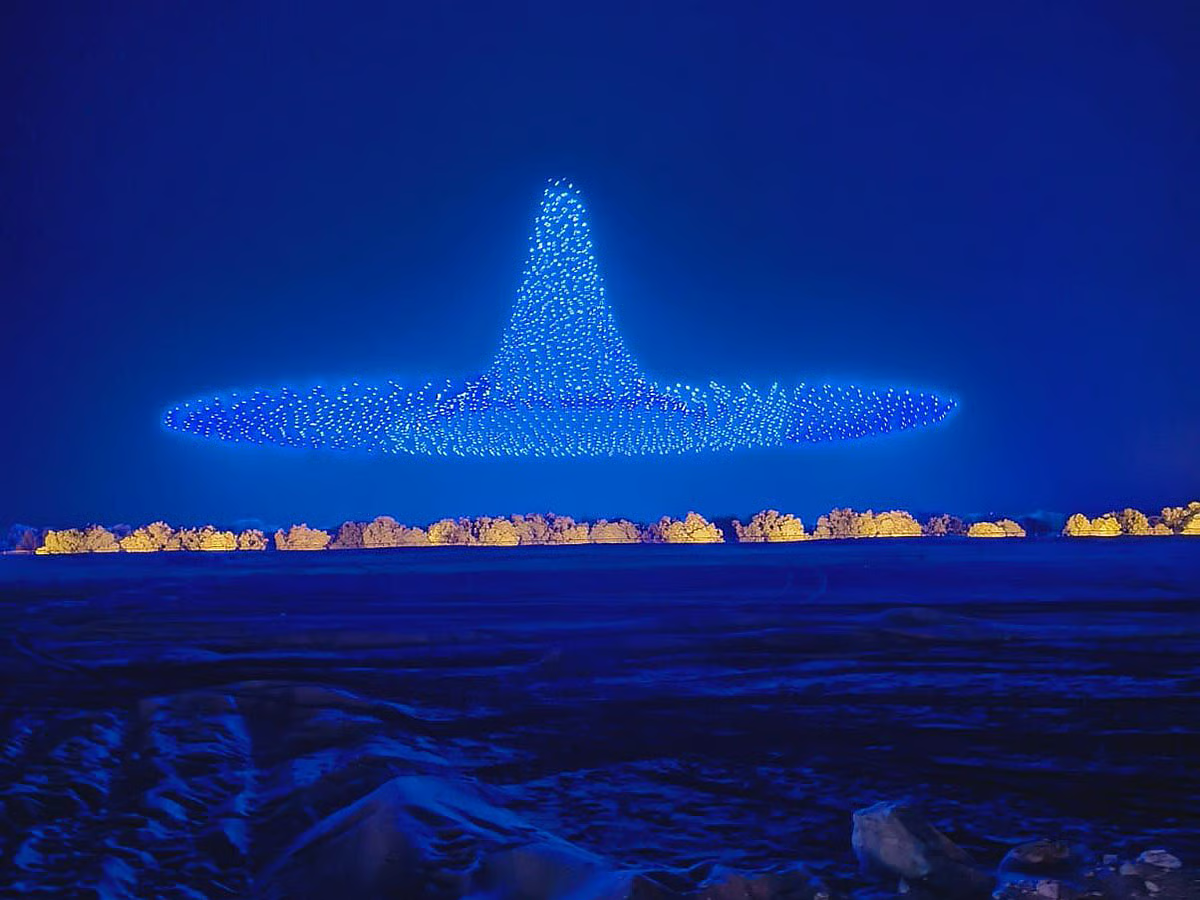
The UAE’s National Day celebrations have become synonymous with grand displays of fireworks, and this year was no exception. The scale of the productions has grown significantly since the first official celebrations, evolving from modest displays to technologically advanced shows incorporating drones and laser projections. These elaborate events require months of planning and coordination between various government and private entities.
Economic Impact of Celebrations
Beyond the patriotic expression, the National Day festivities provide a considerable boost to the UAE’s tourism sector. Hotels and restaurants reported higher occupancy rates and sales during the holiday period. The influx of visitors contributes to the country’s diversification efforts away from solely relying on oil revenues, as outlined in initiatives like Vision 2030.
Additionally, the production of the celebrations themselves—including the fireworks, light shows, and associated infrastructure—creates temporary employment opportunities and stimulates local businesses. The Ministry of Economy indicated a positive trend in consumer spending during the national holiday compared to the previous year, though specific figures have not been released.
Beyond the Explosions: Cultural and Scenic Highlights
While fireworks dominated the headlines, National Day in the UAE also featured a rich array of cultural events. Traditional dance performances, musical concerts, and heritage exhibitions were held in public spaces and cultural centers, offering insights into the country’s history and traditions. These events aim to both educate citizens and provide a compelling experience for visitors.
Several emirates capitalized on their unique scenic beauty to enhance the celebrations. Ras Al Khaimah, known for its mountainous terrain, staged a display that integrated the landscape with laser projections and drone choreography. Sharjah, a UNESCO World Heritage Site, highlighted its historical architecture with special lighting, creating a captivating ambiance.
The desert landscapes also played a role in the festivities, with organized tours and events offering a different perspective on the national celebrations. Camel racing, traditional music around campfires, and stargazing expeditions were popular attractions. This demonstrated an effort to showcase the diverse experiences offered within the UAE.
However, the emphasis on large-scale events also drew some discussion regarding sustainability. Increased awareness of environmental concerns has prompted calls for more eco-friendly practices in future celebrations. The use of biodegradable fireworks and energy-efficient lighting are among the potential solutions being explored by event organizers.
Safety and Logistics Behind the Displays
The organization of such large-scale fireworks displays and public gatherings requires extensive logistical planning and a strong focus on safety. Local authorities, including police and civil defense departments, worked closely with event organizers to implement stringent security measures. These measures included crowd control, traffic management, and fire prevention protocols.
In Dubai, the Roads and Transport Authority (RTA) provided additional public transportation options to facilitate movement to and from celebration venues. Designated viewing areas were established to ensure optimal visibility and maintain safe distances from the launch sites. Several temporary road closures were publicized in advance to minimize disruption.
Meanwhile, the Environment Agency – Abu Dhabi oversaw environmental impact assessments for the fireworks displays, ensuring compliance with air quality standards. The use of lower-emission fireworks and careful consideration of wind direction contributed to mitigating potential pollution. Prioritization of public health and safety has become a defining feature of these events.
In contrast to some past years, there were no major incidents reported during the 2023 National Day celebrations, suggesting that the implemented safety measures were effective. This positive outcome underscores the importance of proactive planning and inter-agency cooperation.
Looking Ahead: Future of National Day Celebrations
The UAE has indicated its commitment to continuing the National Day celebrations as a cornerstone of its national identity. While the scale of events is likely to remain significant, future iterations may incorporate increasingly sophisticated technology and a greater emphasis on sustainable practices. The government is expected to review feedback from this year’s celebrations to inform planning for 2024.
Ongoing discussions also surround the potential for integrating Artificial Intelligence (AI) into the production of light shows and drone displays, allowing for more dynamic and personalized experiences. The exact direction of these innovations remains uncertain, but aims to elevate the spectacle and engage the public in novel ways. Authorities will likely announce specifics regarding event planning and permit applications for next year’s celebrations in the coming months.
The long-term impact of these celebrations on national pride and tourism revenue will continue to be monitored. Further analysis from the Ministry of Tourism is anticipated, providing detailed data on visitor numbers and economic contributions. This data will be crucial for assessing the overall success of the events and guiding future strategies.