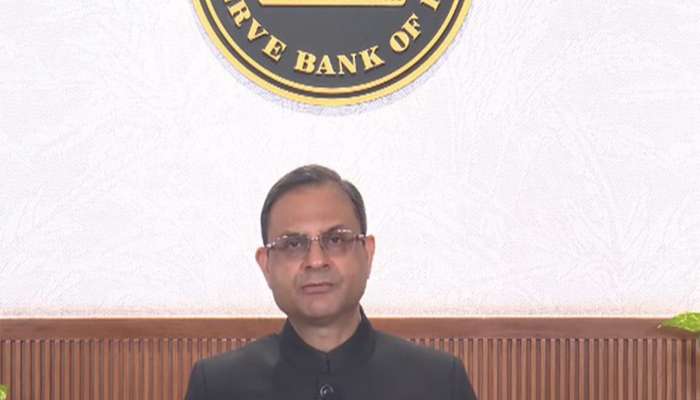

The Reserve Bank of India (RBI) delivered a boost to the Indian economy on Friday, announcing a 25 basis points reduction in the policy repo rate, bringing it down to 5.25%. This decision, made after a thorough review of current economic conditions, signals the RBI’s confidence in sustained growth and manageable inflation. Governor Sanjay Malhotra communicated the outcome of the three-day Monetary Policy Committee (MPC) meeting, held from December 3rd to 5th, emphasizing the unanimous support for the rate cut.
Understanding the Recent Repo Rate Reduction
The policy repo rate is the rate at which the RBI lends money to commercial banks. A reduction in this rate makes borrowing cheaper for banks, who in turn are expected to lower lending rates for businesses and individuals. This ultimately aims to stimulate economic activity by encouraging investment and consumption. The immediate effect of the cut is a more affordable cost of borrowing across various sectors.
Governor Malhotra explained the reasoning behind the move: “The MPC met on the 3rd, 4th, and 5th of December to deliberate and decide on the policy repo rate. After a detailed assessment of the evolving macroeconomic conditions and outlook, the MPC voted unanimously to reduce the policy repo rate by 25 basis points to 5.25 per cent, with immediate effect.” This highlights the careful consideration given to the current economic landscape before arriving at the decision.
Factors Influencing the MPC’s Decision
Several key economic indicators contributed to the MPC’s decision. Notably, India’s Gross Domestic Product (GDP) experienced robust growth of 8.2% in the second quarter of the current financial year. This strong performance demonstrates the underlying health of the Indian economy.
Furthermore, a significant decline in retail inflation played a crucial role. Data from the Ministry of Statistics and Programme Implementation (MoSPI) revealed a sharp fall to 0.25% in October 2025 – a record low. This low inflation rate provides the RBI with the necessary space to ease monetary policy and support growth. The combination of strong GDP and subdued inflation created a favorable environment for the rate cut.
A Shift in Monetary Policy Stance
This reduction marks a distinct change from the RBI’s previous stance. In the last monetary policy announcement on October 1st, the central bank had opted to maintain the repo rate at 5.5%. The MPC had then unanimously decided to hold the rate steady after assessing both domestic and global economic conditions during meetings on September 29th and 30th, and October 1st.
The Governor had previously indicated a cautious approach, emphasizing the need to monitor global uncertainties. However, the positive developments in the Indian economy over the past two months, particularly the sustained GDP growth and falling inflation, have evidently shifted the committee’s perspective. This demonstrates the RBI’s responsiveness to evolving economic realities.
Impact on the Indian Economy: Liquidity and Momentum
The anticipated impact of this interest rate cut is multifaceted. Primarily, it is expected to enhance liquidity within the financial system. Lower borrowing costs for banks should translate into increased lending to businesses, fostering investment and expansion. This is particularly beneficial for sectors sensitive to interest rate fluctuations, such as housing, automobiles, and infrastructure.
Additionally, the rate cut is intended to reinforce the positive momentum already evident in the Indian economy. With GDP growth remaining strong and inflation continuing its downward trend, the reduction provides further impetus for sustained economic expansion. This could lead to increased consumer spending, job creation, and overall economic prosperity. The move is a clear signal of the RBI’s commitment to supporting India’s growth story.
Implications for Borrowers and Investors
For individual borrowers, the repo rate reduction could mean lower interest rates on home loans, auto loans, and personal loans. This would reduce the monthly burden of debt repayment and potentially encourage more people to take on loans for major purchases.
Investors are also likely to benefit. Lower interest rates can make equities more attractive, potentially leading to increased investment in the stock market. Furthermore, the improved economic outlook could boost investor confidence and encourage foreign direct investment (FDI) into the country. This positive feedback loop could further accelerate economic growth.
Looking Ahead: Future Monetary Policy Decisions
While the current rate cut is a welcome development, the RBI will continue to closely monitor economic conditions. Future monetary policy decisions will depend on a variety of factors, including global economic trends, commodity prices, and the monsoon season. The central bank remains committed to maintaining price stability while supporting sustainable economic growth.
The RBI’s focus will likely be on ensuring that the benefits of the rate cut are effectively transmitted to the real economy. This will involve close coordination with commercial banks and other financial institutions. The next MPC meeting will be crucial in assessing the impact of this latest decision and charting the course for future monetary policy.
In conclusion, the RBI’s decision to reduce the policy repo rate by 25 basis points is a positive step towards bolstering the Indian economy. Driven by strong GDP growth and historically low inflation, this move is expected to improve liquidity, encourage investment, and support continued economic expansion. It’s a dynamic situation, and staying informed about future MPC meetings and economic indicators will be key to understanding the evolving monetary policy landscape in India. For further insights into India’s economic performance, explore resources from the Ministry of Finance and the National Statistical Office.