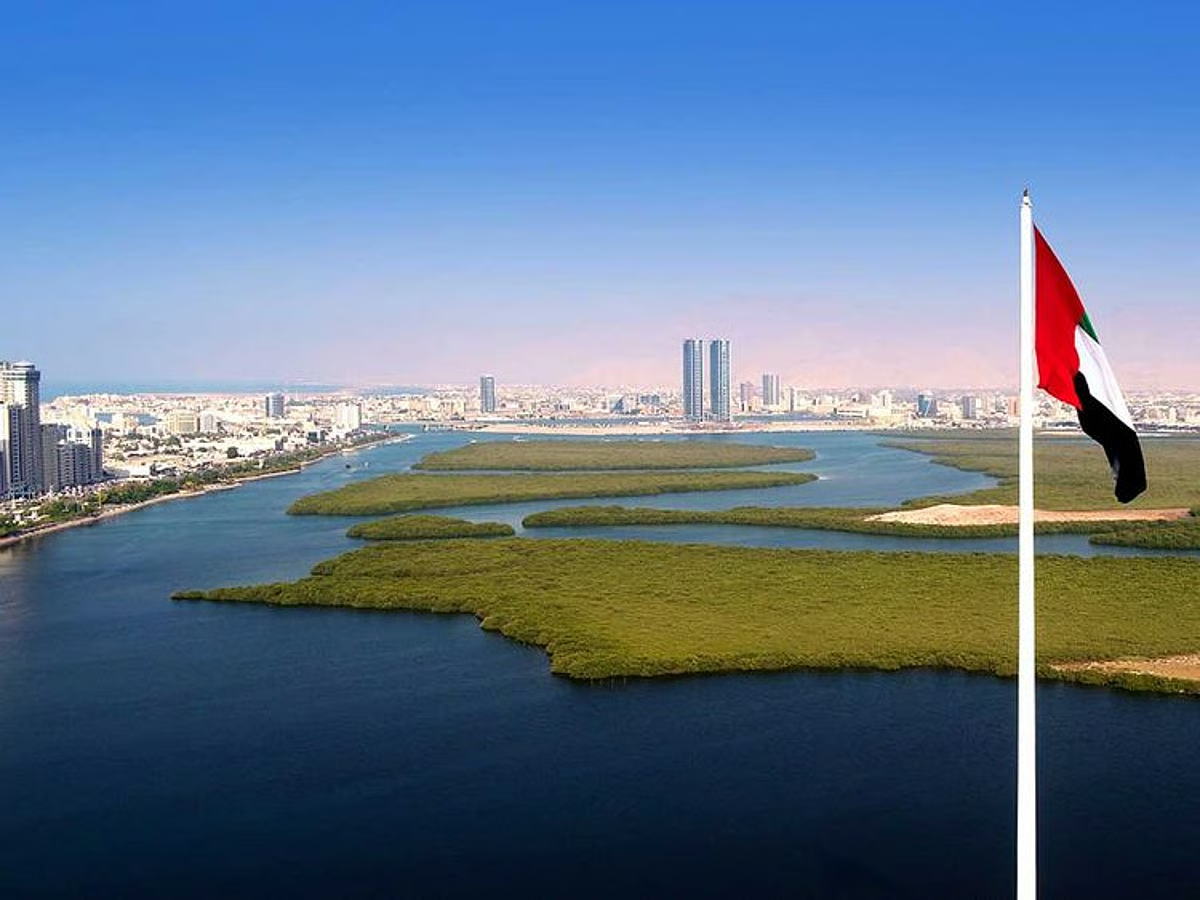

Ras Al Khaimah is experiencing a surge in real estate activity, driven by significant investment in luxury developments and infrastructure. The emirate’s property market is demonstrating robust growth, with transaction volumes nearly nine times higher in the first quarter of 2025 compared to the same period in 2017, according to Major Developments. This increase signals a shift from speculative investment toward a focus on long-term value and stability within the region.
Luxury Brands Fuel Ras Al Khaimah Real Estate Growth
The influx of international luxury and hospitality brands is a primary catalyst for rising property values in Ras Al Khaimah. Metropolitan Premium Properties data reveals that prices have increased by 10% to 15% year-to-date, with villas and apartments commanding 15% to 20% higher values than in the third quarter of 2024. Particularly strong growth, ranging from 30% to 50%, is being seen in premium, off-plan, and branded residences.
Several high-profile branded residential projects are currently underway, including Anantara Residences and ENTA MINA by RAK Properties, Fairmont Residences by Ardee Developments, and Soto Grande by Ellington. These developments, combined with ongoing infrastructure improvements and landmark projects like the Wynn resort, are attracting substantial interest from global investors. Maxim Novikov of Metropolitan Premium Properties anticipates this growth is only the beginning of the emirate’s real estate expansion.
Branded Residences: A Growing Segment
The trend toward branded residences appears sustainable, with CBRE Middle East research forecasting they will represent 25% of all new freehold properties delivered by 2030. This translates to approximately 4,800 units planned across Ras Al Khaimah. Established luxury names like Ritz-Carlton and Armani are already contributing to this expanding segment, signalling a desire for internationally-recognized quality and service.
This focus on branded residences aligns with wider trends in the luxury property market, where buyers are increasingly seeking amenities and experiences associated with well-known brands. The appeal extends beyond the residences themselves, creating demand for associated hospitality and leisure offerings.
Dominance of Off-Plan Sales and New Master Communities
Demand continues to concentrate on the established areas of Al Marjan Island, Mina, and Al Hamra Village, as well as the recently launched RAK Central development. Notably, off-plan properties currently account for 95% of all transactions, indicating strong investor confidence in future projects. This high proportion of off-plan sales also suggests a willingness to commit to developments before physical completion.
Resale activity within the off-plan market itself is also gaining momentum, further reflecting the conviction displayed by initial purchasers. This underscores the perception of strong potential returns within these investments.
Ras Al Khaimah is actively expanding its urban landscape through ambitious new master communities. The 85-million-square-foot Marjan Beach and Maireed Island projects are examples of this large-scale development. These projects aim to diversify the emirate’s offerings and cater to a broader range of residents and tourists.
Upcoming Luxury Launches
Further bolstering Ras Al Khaimah’s position as a luxury destination are several upcoming launches. These include Palazzo Tissoli, Mondrian Residences, Hard Rock Hotel, Four Seasons, and Armani Villas. These additions are expected to further elevate the profile of the emirate’s property market and attract high-net-worth individuals.
The diversification of luxury offerings, from hotels to villas, is a key strategy for attracting a wider range of investors and residents. This approach aims to reduce reliance on any single segment of the investment market.
The growth in Ras Al Khaimah’s real estate sector is also supported by broader economic development initiatives within the emirate. These initiatives aim to attract foreign direct investment and create a more sustainable and diversified economy. The government’s commitment to infrastructure projects and tourism development is playing a crucial role in enhancing the attractiveness of the region for both residents and investors.
Looking ahead, the completion of the Wynn resort and the continued rollout of new master communities will be key indicators of Ras Al Khaimah’s sustained growth. Monitoring the absorption rate of off-plan properties and the evolving preferences of international buyers will also be crucial. While the current trajectory is positive, global economic conditions and regional geopolitical factors remain potential uncertainties that could influence the future of the real estate sector in Ras Al Khaimah.