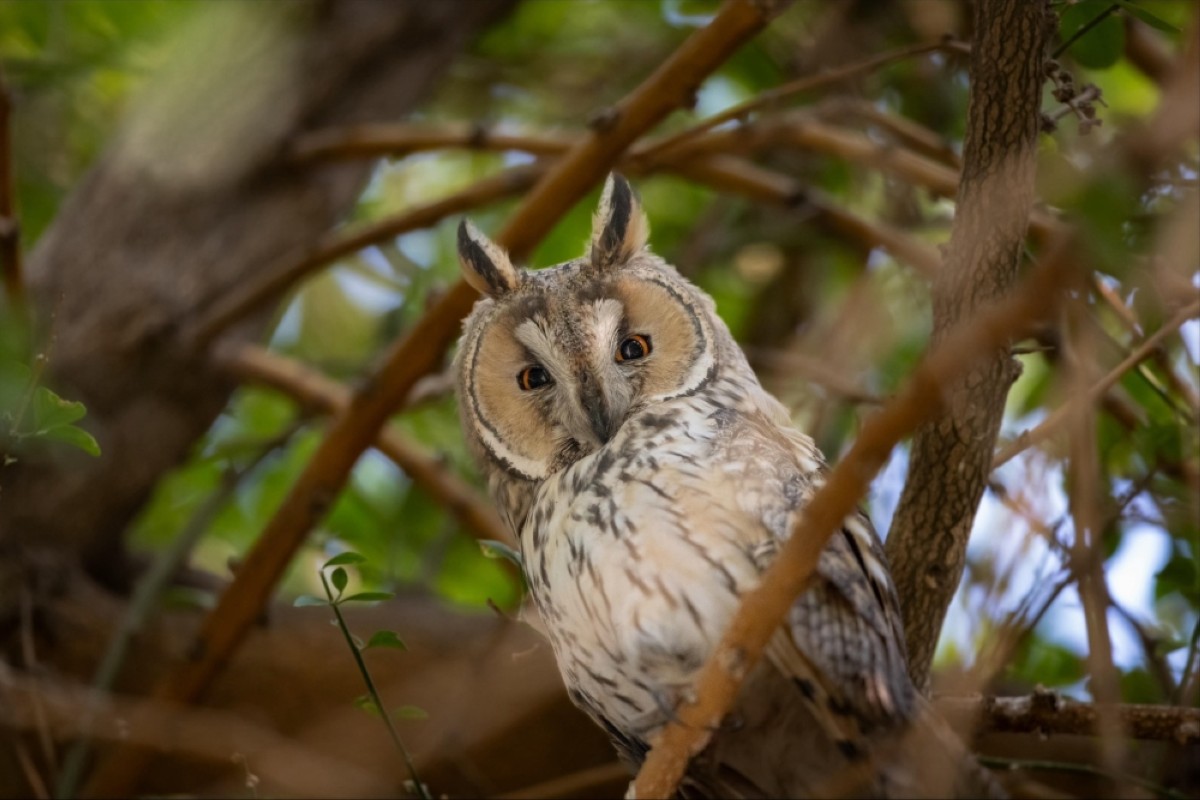

Kuwait is increasingly recognized as a vital haven for migratory birds, a role beautifully highlighted by the recent work of Kuwaiti photographer and environmentalist, Dr. Abdullah Al-Zaidan. His dedicated documentation of rare avian visitors during the winter months underscores the importance of preserving Kuwait’s natural ecosystems. This year, Dr. Al-Zaidan’s lens captured stunning images of a long-eared owl, a short-eared owl, and an Eastern Imperial Eagle – species whose presence speaks volumes about the health and significance of Kuwait’s environment for global bird migration.
Kuwait: A Crucial Stopover for Migratory Birds
Dr. Al-Zaidan, speaking to the Kuwait News Agency (KUNA), emphasized that Kuwait isn’t just on the migratory route, but actively provides essential safe habitats and thriving ecosystems that these birds depend on for survival. The country’s geographical location makes it a natural bridge for birds traveling between breeding grounds in Asia and Europe and their wintering areas further south. Protecting these areas is therefore a global responsibility.
He explained that the consistent decline in suitable habitats across the world makes locations like Kuwait even more critical. The preservation of wetlands, agricultural lands, and even urban green spaces plays a pivotal role in ensuring these long journeys can continue.
The Elusive Long-Eared Owl in Kuwait
The sighting of a long-eared owl in Shuwaikh Public Park was particularly noteworthy. Dr. Al-Zaidan revealed that these owls are exceptionally rare visitors to Kuwait, with only 11 documented observations during the November to March migration season. This makes each sighting a valuable contribution to our understanding of their movements and habitat preferences.
Identifying Characteristics and Habitat
The long-eared owl is a striking bird, easily identified by its prominent, ear-like feather tufts (despite not being actual ears!). They boast captivating orange eyes and are primarily nocturnal hunters. Their diet consists largely of small mammals and birds.
These owls demonstrate a preference for densely wooded and shaded areas. Within Kuwait, they’ve been observed in agricultural lands, farms, and protected green spaces like the Jahra Nature Reserve, Sulaibiya, Wafra, and Abdally farms. The presence of this owl in Shuwaikh Park highlights the potential for even urban environments to support these incredible creatures, provided sufficient vegetation and prey are available.
Contrasting Owls: The Short-Eared Owl
In contrast to its more secretive cousin, the short-eared owl is relatively more common and easier to spot in Kuwait. While still a welcome sight for bird enthusiasts, its presence isn’t as rare or significant as the long-eared owl.
This owl differs in appearance, possessing short, inconspicuous ear-like feathers, a light-colored, round face, and striking yellow eyes. A key difference lies in its activity pattern; the short-eared owl is often active during the day, hunting over open fields and grasslands. This adaptability allows it to thrive in a wider range of habitats within Kuwait, including the Jahra Reserve. Wildlife photography plays a crucial role in documenting these differences and raising awareness.
The Majestic Eastern Imperial Eagle
Adding to the excitement, Dr. Al-Zaidan also documented the presence of the Eastern Imperial Eagle, a magnificent but uncommon and endangered winter visitor. Native to Eastern Europe, the Middle East, and Central Asia, this eagle is a truly impressive sight.
Measuring between 72 to 90 centimeters in length, with a wingspan approaching two meters, the Eastern Imperial Eagle is larger than both the Steppe Eagle and the Greater Spotted Eagle. Its dark brown plumage, light golden neck, and distinctive white shoulder patches – visible during flight – make it easily recognizable.
Like the owls, the eagle favors open forests, deserts, and agricultural lands, relying on small mammals as its primary food source. Its presence in the Jahra Nature Reserve is a testament to the reserve’s importance as a refuge for vulnerable species. Conservation efforts are vital for the long-term survival of this endangered species.
The Importance of Habitat Preservation
Dr. Al-Zaidan’s work consistently emphasizes a critical message: Kuwait’s natural habitats are not merely scenic landscapes, but essential components of a global network supporting avian life. The sustainability of migratory bird populations depends on the preservation of these stopover points.
He urges continued investment in protecting and restoring Kuwait’s ecosystems, recognizing that these efforts benefit not only the birds themselves but also the country’s biodiversity and environmental health. The ongoing documentation of these species, through dedicated individuals like Dr. Al-Zaidan, is a powerful tool for advocacy and conservation.
In conclusion, the recent sightings documented by Dr. Abdullah Al-Zaidan serve as a potent reminder of Kuwait’s significant role in the world of bird migration. His stunning photography and dedicated environmentalism highlight the urgent need for continued habitat preservation and conservation efforts. We encourage readers to learn more about Kuwait’s diverse birdlife and support organizations working to protect these incredible creatures and their vital ecosystems. You can find more information on the Kuwait Institute for Scientific Research (KISR) website and through local environmental groups.