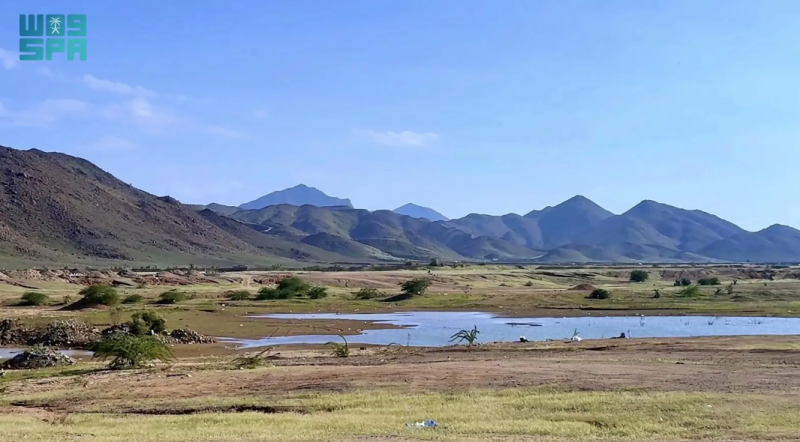

Recent moderate to heavy rainfall across areas north of Makkah, Saudi Arabia, has triggered a remarkable ecological revival, transforming arid landscapes into vibrant green spaces. The precipitation, occurring over the past several days, has filled seasonal waterways and spurred the growth of vegetation in a region typically characterized by rocky terrain and dry valleys. This natural phenomenon is drawing attention from both residents and tourism officials.
The affected areas encompass the plains and mountainous regions situated to the north of the holy city of Makkah. While specific rainfall totals vary by location, reports indicate widespread moderate to heavy showers across the governorates of Jamum, Layth, and Al-Mandaq. The resulting changes are visible in the activation of wadis – dry riverbeds that temporarily fill with water – and the widespread greening of hillsides.
The Impact of Rainfall on the Makkah Region
The Arabian Peninsula is generally an arid environment, receiving limited annual precipitation. However, when rainfall does occur, the landscape demonstrates a surprising capacity for rapid regeneration. This is due to the unique adaptations of native plant species, which remain dormant as seeds during dry periods and quickly germinate with the arrival of moisture. The recent rainfall has perfectly illustrated this resilience.
According to environmental experts, the benefits extend beyond aesthetic improvements. The increased water availability is replenishing groundwater reserves, a crucial resource in this arid region. This replenishment is also improving soil quality, potentially mitigating the effects of desertification, a growing concern throughout Saudi Arabia.
Ecological Benefits and Wildlife
The revitalization of plant life directly supports local wildlife populations. Increased vegetation provides food and shelter for various animal species, contributing to a more balanced ecosystem. The report indicates a noticeable increase in activity among herbivores and the birds that prey on them.
Additionally, the increased moisture content in the air and soil is moderating temperatures, offering a temporary respite from the intense heat typically experienced in the region during this time of year. This cooling effect is particularly noticeable in the mountainous areas.
Boosting Domestic Tourism
The dramatic change in scenery has already led to a surge in visitors to the natural areas north of Makkah. Social media platforms are filled with images and videos showcasing the lush landscapes, attracting both locals and those from other parts of the Kingdom. Ecotourism stakeholders view this as a significant opportunity to promote domestic tourism.
However, authorities are urging caution and responsible behavior. The Makkah Region Municipality has issued advisories reminding the public to avoid flood-prone areas and to respect the fragile environment. They emphasize the importance of not disturbing the newly grown vegetation or leaving behind any waste.
The Saudi government has been actively investing in tourism infrastructure as part of its Vision 2030 plan, which aims to diversify the economy and reduce reliance on oil. This includes developing ecotourism destinations and promoting sustainable tourism practices. The current situation highlights the potential of these initiatives, but also the need for careful planning and management to ensure long-term preservation.
The phenomenon of rapid greening following rainfall is not uncommon in the Arabian Peninsula, but the extent of the transformation in the Makkah region this year appears particularly pronounced. Some observers attribute this to the cumulative effect of recent conservation efforts and a slightly wetter-than-average season. The Ministry of Environment, Water and Agriculture has not yet released a comprehensive assessment of the rainfall’s impact.
In contrast to the usual arid conditions, the valleys are now flowing, creating temporary oases in the desert landscape. This influx of water is not only benefiting plant and animal life but also providing a much-needed boost to the local economy through increased tourism. The availability of water also supports traditional agricultural practices in some areas.
The increased visitor activity presents both opportunities and challenges. While it can stimulate economic growth, it also puts pressure on the environment and existing infrastructure. Sustainable tourism practices, such as designated trails, waste management facilities, and educational programs, are crucial to minimizing the negative impacts. The development of these facilities is a key component of the region’s tourism strategy.
Looking ahead, authorities are monitoring the situation closely to assess the long-term effects of the rainfall on groundwater levels and vegetation cover. Further studies are planned to determine the optimal strategies for managing this newfound ecological wealth. The sustainability of this revival will depend on future precipitation patterns and the effectiveness of conservation efforts. The next comprehensive report from the Ministry is expected within the next quarter, and will likely detail long-term water management plans.
The impact of this rainfall extends beyond the immediate ecological benefits. It serves as a powerful reminder of the interconnectedness of natural systems and the importance of responsible environmental stewardship. The region’s ability to recover so quickly underscores the resilience of its ecosystems, but also highlights their vulnerability to climate change and human activity. Understanding these dynamics is essential for ensuring the long-term health and prosperity of the Makkah region.
The recent rainfall and subsequent greening also offer a unique opportunity for scientific research. Studying the adaptations of native plant species and the dynamics of water flow in these ephemeral systems can provide valuable insights for land management and conservation efforts in other arid regions around the world. This research could contribute to a broader understanding of desert ecosystems and their response to climate variability.