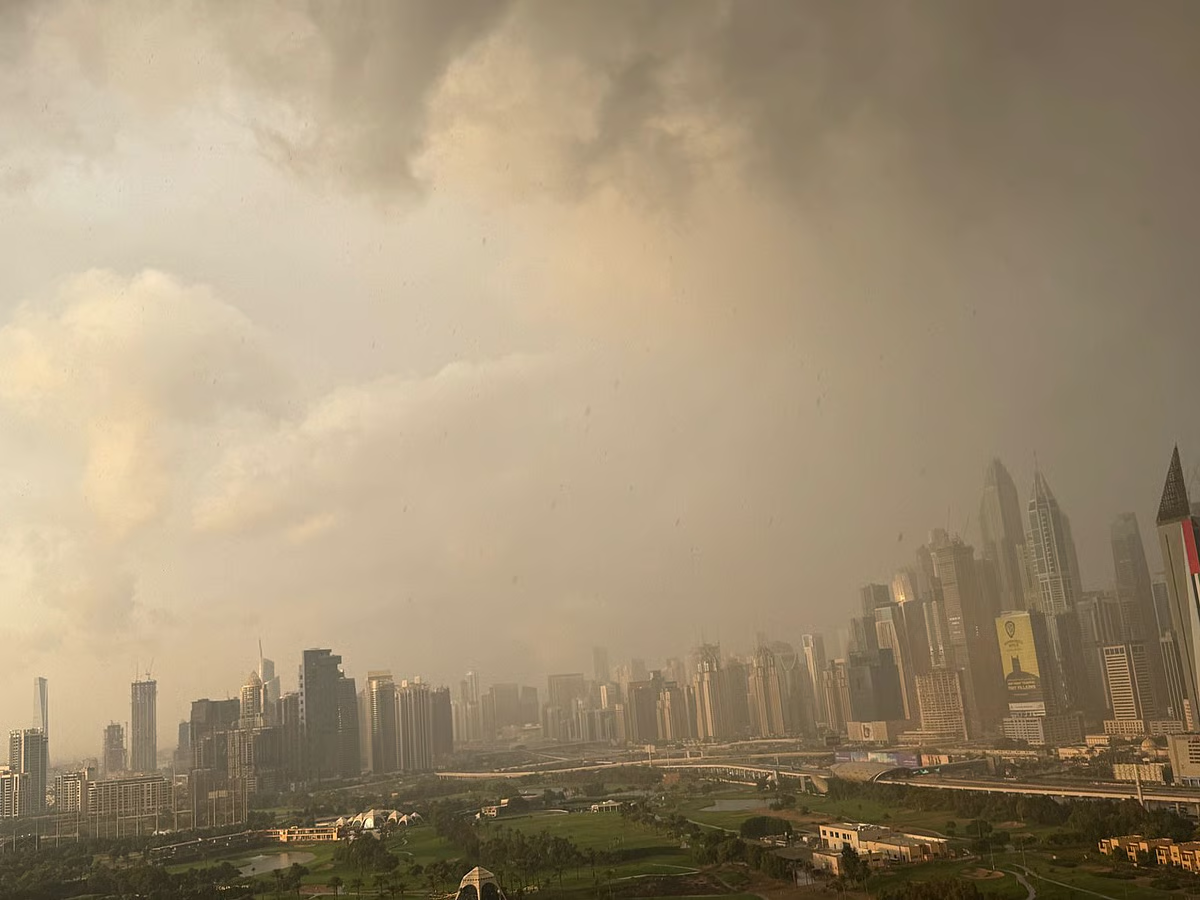

Dubai experienced unseasonably heavy rainfall in April 2024, causing significant disruption but also a unique sense of wonder for residents. The rain in Dubai is a relatively rare occurrence, particularly of this intensity, and the recent downpours have sparked conversations about the region’s climate and infrastructure. The storms began on April 16th and continued intermittently for several days, impacting travel, business operations, and daily life across the United Arab Emirates.
The rainfall, which exceeded 150mm in some areas – a record amount for the country in a single day, according to the National Center of Meteorology (NCM) – led to widespread flooding and traffic congestion. Dubai International Airport experienced major disruptions, with flight cancellations and delays reported throughout the week. Schools and many businesses were temporarily closed as a precautionary measure, and authorities urged residents to stay indoors during peak rainfall.
Understanding the Rare Phenomenon of Rain in Dubai
The United Arab Emirates is characterized by a hot desert climate with extremely low annual rainfall. The average rainfall in Dubai is around 90mm per year, and most of it falls during the winter months, from December to March. This recent event was exceptional, stemming from a convergence of unusual weather patterns.
The Role of Cloud Seeding
The NCM confirmed that cloud seeding operations were undertaken prior to the storms, but emphasized that these were not the sole cause of the heavy rainfall. Cloud seeding, a technique used to enhance precipitation, involves dispersing substances like potassium chloride into clouds. However, the NCM stated that the atmospheric conditions were already primed for rainfall, and the cloud seeding efforts simply increased the efficiency of the process.
A Convergence of Weather Systems
Meteorologists attribute the extreme weather to a combination of factors. A strong upper-level low-pressure system drew in moisture from the Arabian Sea and the Red Sea. This moisture collided with a surface trough, creating unstable atmospheric conditions. Additionally, a temperature difference between the warmer land and cooler air aloft contributed to the intensity of the storms.
The unusual weather event highlights the increasing volatility of climate patterns in the region. While the UAE has historically been arid, there is growing evidence of more frequent and intense rainfall events, potentially linked to broader global climate change. This shift presents both challenges and opportunities for the country.
Impacts and Responses to the Unprecedented Rainfall
The immediate impact of the Dubai rain was significant disruption to transportation. Major highways were flooded, and public transport systems struggled to cope with the demand. The Dubai Metro experienced temporary closures due to water accumulation on the tracks. Authorities deployed emergency teams to pump out water and clear roads, but the scale of the flooding overwhelmed some areas.
Businesses also faced challenges. Many commercial establishments were forced to close temporarily, leading to economic losses. The tourism sector, a vital component of Dubai’s economy, experienced some setbacks as travel plans were disrupted. However, the government quickly mobilized resources to mitigate the impact and restore normalcy.
The UAE government responded swiftly to the crisis, coordinating relief efforts and providing assistance to affected residents. Emergency shelters were opened, and food and water were distributed to those displaced by the flooding. The Ministry of Interior urged drivers to exercise caution and avoid flooded areas. Furthermore, the government pledged to invest in improving the country’s drainage infrastructure to better handle future heavy rainfall events.
Beyond the immediate disruption, the extreme weather has prompted a reassessment of Dubai’s infrastructure. The city’s drainage systems, designed for minimal rainfall, were unable to cope with the volume of water. This has led to calls for significant investment in upgrading and expanding these systems to prevent similar flooding in the future. The focus is shifting towards building more resilient infrastructure capable of withstanding increasingly unpredictable weather patterns.
The event also spurred discussion about sustainable urban planning and the need to incorporate climate change considerations into future development projects. Experts suggest that incorporating more green spaces and permeable surfaces could help absorb excess rainfall and reduce the risk of flooding. This approach aligns with the UAE’s broader sustainability goals and its commitment to reducing its environmental footprint.
Interestingly, the weather in Dubai also generated a lot of social media attention, with videos of flooded streets and dramatic cloud formations going viral. While some residents expressed frustration with the disruption, many others shared a sense of awe and appreciation for the rare spectacle. The unusual rainfall provided a temporary respite from the intense heat and a reminder of the power of nature.
Looking Ahead: Climate Resilience and Infrastructure Development
The NCM is continuing to monitor weather patterns and provide forecasts to help residents prepare for potential future rainfall. They are also working to improve their cloud seeding technology and optimize its effectiveness. The long-term goal is to enhance the UAE’s ability to manage its water resources and mitigate the impacts of climate change.
The Dubai Municipality has announced plans to conduct a comprehensive review of the city’s drainage infrastructure. This review will identify areas that are most vulnerable to flooding and prioritize investments in upgrades and expansions. A detailed report outlining the proposed improvements is expected by the end of 2024. The implementation of these improvements will likely take several years and require significant financial resources.
While the recent rainfall was an exceptional event, it serves as a stark reminder of the challenges posed by a changing climate. The UAE is committed to building a more sustainable and resilient future, and investing in infrastructure improvements is a crucial step in that direction. The frequency and intensity of such events remain uncertain, but proactive planning and adaptation are essential to minimize future disruptions.
The government is also exploring innovative solutions for water management, including the use of artificial intelligence and data analytics to predict rainfall patterns and optimize drainage systems. These technologies could help Dubai become better prepared for future extreme weather events and ensure the safety and well-being of its residents.