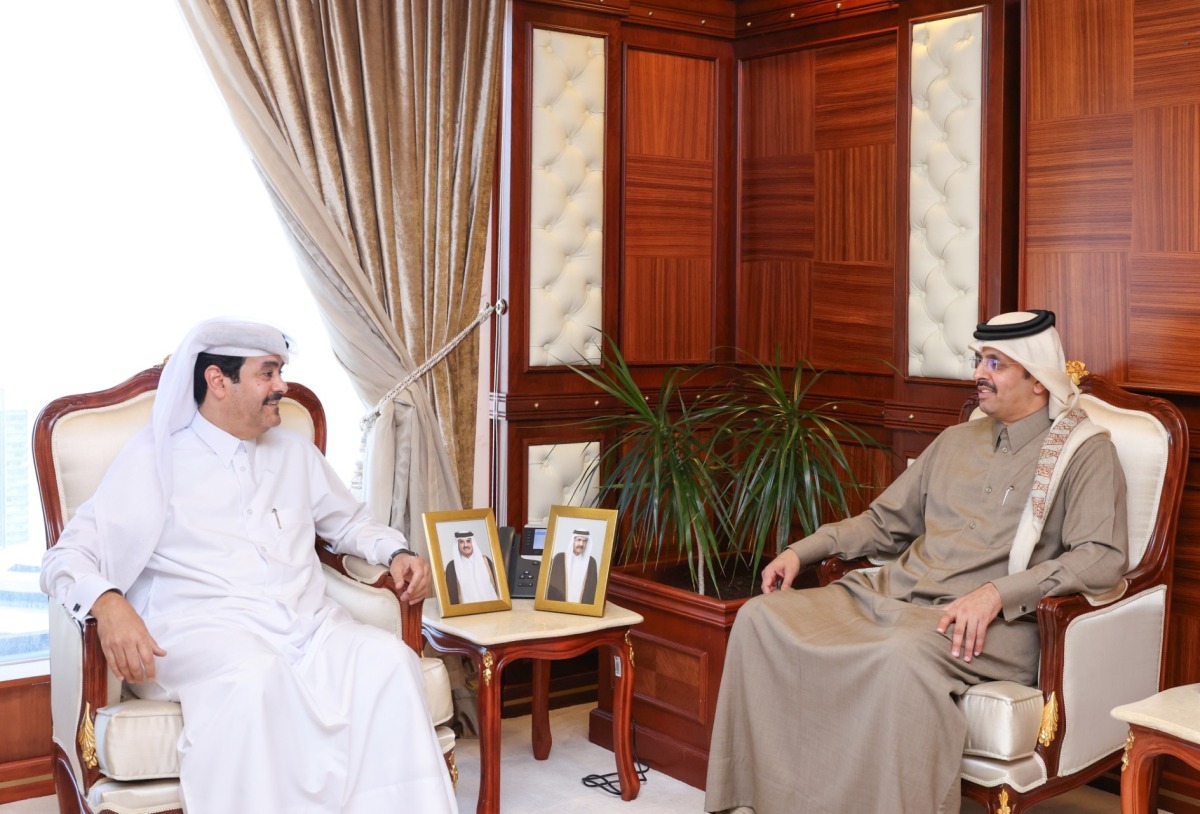

Doha, Qatar – The Regulatory Authority for Charitable Activities (RACA) and the Civil Service and Government Development Bureau (CGB) convened a meeting this week to explore stronger institutional cooperation and enhance the effectiveness of Qatar’s public sector. Discussions centered on improving human capital and overall organizational efficiency within government entities. The meeting, held in Doha, signals a continued commitment to aligning governmental bodies with the goals outlined in Qatar National Vision 2030.
RACA Director-General Ibrahim Abdullah Al Dehaimi and CGB Director-General Saif bin Ali Al Kaabi led the discussions, focusing on areas of mutual benefit. Both authorities emphasized the necessity of ongoing collaboration to achieve advancements in government performance and support the broader national development strategy. This partnership aims to streamline processes and maximize the impact of public service initiatives.
Strengthening Institutional Performance Through Collaboration
The core objective of the meeting was to identify practical ways to bolster institutional cooperation between RACA and CGB. According to a statement released by RACA, this includes sharing best practices in regulatory frameworks and government administration. Qatar has been actively working to diversify its economy and improve the quality of life for its citizens, making efficient government operations crucial.
Focus on Human Capacity Building
A significant portion of the conversation revolved around developing the skills and expertise of the Qatari workforce. The CGB plays a key role in training and development programs for civil servants, while RACA oversees the capacity of charitable organizations. Combining these efforts could lead to more targeted and effective training initiatives.
Specifically, the two bodies discussed potential joint programs to enhance the professional development of employees in both sectors. This could involve workshops, seminars, and exchange programs designed to foster innovation and improve service delivery. Investing in human development is a cornerstone of Qatar National Vision 2030.
Enhancing Efficiency in Government Operations
Improving the efficiency of government processes was another key topic. The CGB is responsible for modernizing civil service procedures and implementing digital transformation initiatives. RACA’s regulatory oversight of charitable activities can contribute to greater transparency and accountability in the sector.
The authorities explored opportunities to integrate their respective systems and data, potentially reducing bureaucratic hurdles and improving coordination. This aligns with Qatar’s broader push for a more agile and responsive public sector. Successful implementation of these changes requires effective e-government solutions.
However, officials acknowledged that significant effort will be needed to ensure seamless integration and avoid duplication of services. Challenges include aligning different technological platforms and establishing clear protocols for data sharing.
Meanwhile, the meeting also highlighted the importance of adhering to ethical standards and best governance practices within all governmental and charitable organizations. Both RACA and CGB are committed to fostering a culture of integrity and transparency.
In contrast to previous approaches that focused on individual agency improvements, this collaboration emphasizes a holistic, interconnected approach to public service. This shift reflects a growing recognition that effective governance requires a high degree of coordination and shared responsibility.
Looking ahead, RACA and CGB have agreed to form a joint working group to develop a detailed action plan based on the discussions. The action plan is expected to outline specific initiatives, timelines, and performance indicators. The timeline for the plan’s completion has not been publicly announced, but stakeholders anticipate seeing concrete proposals within the next quarter. Further developments will likely depend on securing necessary budgetary allocations and navigating any potential regulatory hurdles.