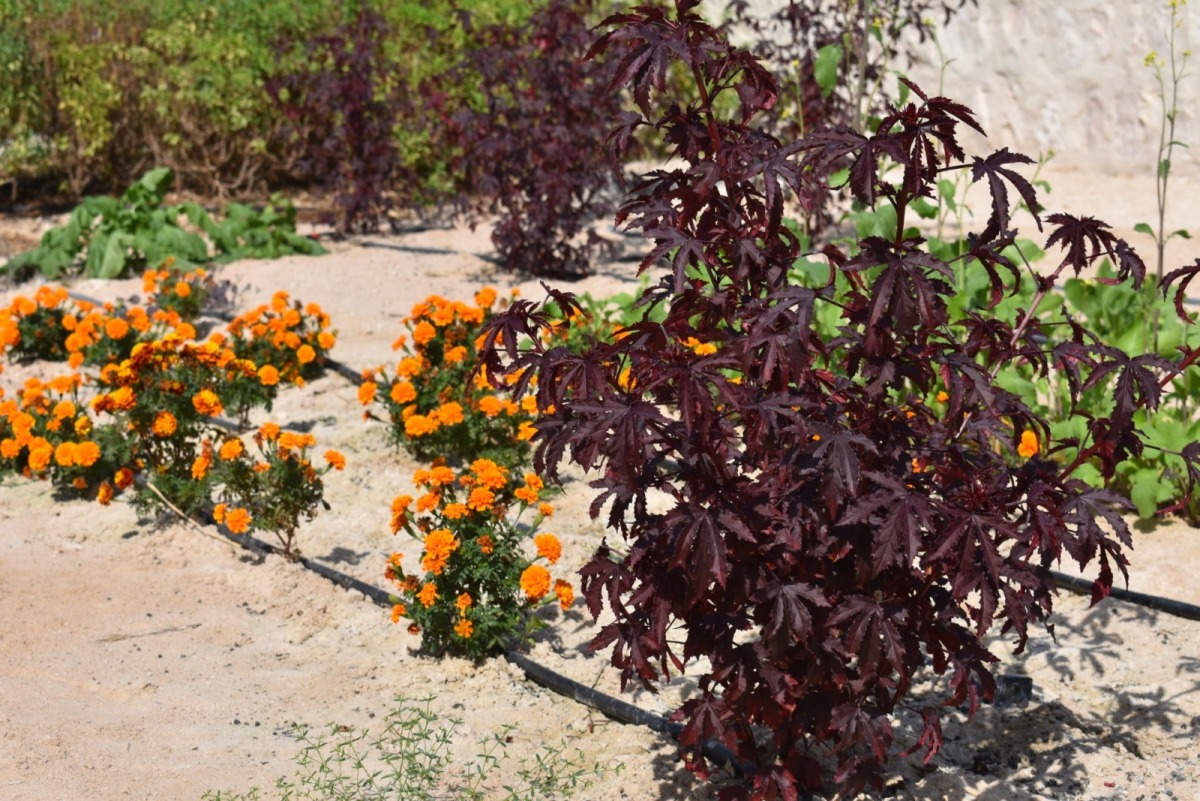

Doha, Qatar – The Qur’anic Botanic Garden (QBG), a member of Hamad Bin Khalifa University (HBKU), has partnered with Qatar Foundation’s (QF) Herfah Program to establish the first dye plants garden in Education City, located at the historic Al Khater House. The initiative showcases a commitment to preserving Qatar’s botanical heritage and reviving traditional methods of natural dye production. This collaboration blends indigenous knowledge with modern horticultural practices, creating a unique educational resource for the community.
The newly opened garden represents a significant step in QBG’s ongoing efforts to support national sustainability goals and highlight the cultural importance of indigenous flora. According to QBG representatives, the project was conceived to bridge the gap between traditional crafts and contemporary plant science. It provides a physical space to demonstrate the value of these plants and how they were historically utilized.
Reviving Traditional Practices Through the Dye Plants Garden
The dye plants garden features a carefully curated selection of species known for their pigment-producing qualities. QBG specialists identified plants suited to Qatar’s climate, while the Herfah Program provided expertise on the traditional uses of each plant for dyeing textiles and other materials. The garden’s development involved not only planting but also establishing appropriate irrigation systems and informative displays for visitors.
Plant Selection and Significance
Among the plants cultivated are well-known regional species like henna, boxthorn and castor. Notably, the garden also includes marigold (Mexican hibiscus), a plant previously uncultivated within Qatar, valued for its capacity to produce a vibrant purple dye. Additionally, the project incorporates common vegetables such as beetroot, mustard and eggplant as sources of natural pigments, demonstrating the widespread availability of dye-producing plants.
The choice of the Al Khater house as the location is also purposeful. As a restored historical building within Education City, it provides an ideal backdrop for demonstrating traditional Qatari crafts and their connection to the natural environment. This setting enhances the educational impact of the garden and provides a tangible link to the past.
Fatima Saleh M. Al Khulaifi, Director of QBG, stated the project supports sustainability by combining heritage and scientific knowledge. She further emphasized that the garden is designed as an educational and cultural platform, raising awareness about the environmental and cultural value of plants, aligning closely with Qatar Foundation’s broader mission. The integration of these elements, she suggests, offers a new approach to environmental education.
The Herfah Program, dedicated to supporting and promoting traditional Qatari crafts, plays a crucial role in documenting and preserving the knowledge surrounding natural dyes. The program’s involvement ensures the authenticity and accuracy of the information presented in the garden. It also provides opportunities for artisans to showcase their skills and products using these traditionally sourced colors.
The project’s design considers not only the botanical needs of each plant but also the visitor experience. Interpretive displays will explain the dyeing process, the history of each plant’s use, and its cultural significance within Qatar and the wider region. This holistic approach aims to engage visitors on multiple levels.
Beyond its immediate educational purpose, the garden contributes to broader efforts in plant conservation and the promotion of local heritage. By cultivating and studying these species, QBG and Herfah Program hope to encourage their wider use and protect them from potential decline. The initiative also supports the growth of sustainable, locally-sourced materials, offering an alternative to synthetic dyes.
Looking ahead, QBG plans to expand research into the optimal growing conditions and dye extraction methods for these plants within the Qatari environment. Further workshops and demonstrations are also planned to educate the public about the art of natural dyeing and the importance of preserving these traditional practices. The long-term success of the garden will depend on ongoing funding and community engagement, particularly in light of the evolving climate and challenges related to water scarcity in the region.
Learn more about the Qur’anic Botanic Garden
Explore Qatar Foundation initiatives
Discover the Herfah Program