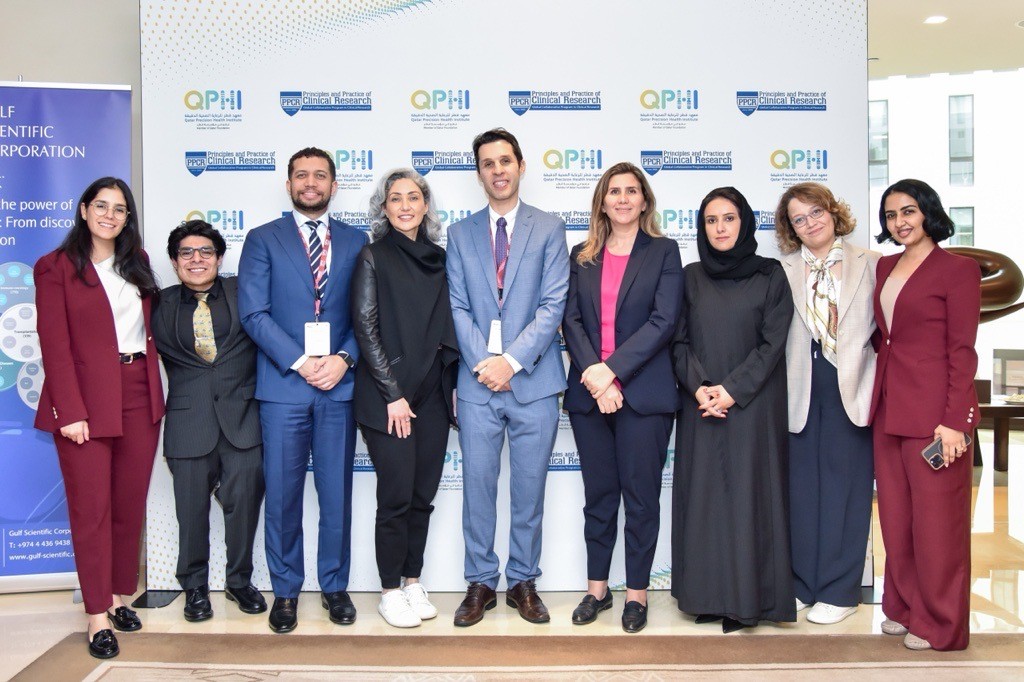

Doha, Qatar – The Qatar Precision Health Institute (QPHI) has announced a new partnership with Harvard T.H. Chan School of Public Health to host a support center for the prestigious Principles and Practice of Clinical Research (PPCR) distance-learning program. This initiative aims to significantly enhance clinical research education and capacity building within Qatar, aligning with the nation’s long-term health and development goals. The program will run from March to November 2026, offering a globally recognized curriculum to local professionals.
The collaboration, announced this week, will allow clinicians, researchers, and public health professionals in Qatar to participate in the PPCR program without the need for international travel. This is a key step in bolstering Qatar’s research infrastructure and fostering a more skilled workforce in the healthcare sector. According to QPHI officials, the partnership reflects a commitment to advancing precision health and evidence-based practice.
Expanding Clinical Research Capabilities in Qatar
The PPCR program, delivered virtually via video-conferencing from Harvard, consists of 25 mandatory online lectures and 24 optional lectures. Weekly sessions will be held on Thursdays from 4pm to 7pm Boston time, adhering to the official schedule available on the program website: hsph.me/ppcr. The curriculum covers essential aspects of clinical research, including statistical methods, data management, study design, and ethical considerations.
Program Details and Certification
Participants who successfully complete the program and meet the participation criteria set by the PPCR Program Director will receive a Certificate of Completion from Harvard T.H. Chan School of Public Health’s Executive & Continuing Education (ECE). It’s important to note that this certificate does not grant formal academic credit or a degree. Details regarding optional program components, dates, locations, and associated costs will be published on the program website as they become available.
This partnership builds on Qatar’s increasing investment in biomedical research and its ambition to become a regional leader in healthcare innovation. The country has been actively developing its research infrastructure, including genomics and precision medicine initiatives, to address local health challenges and contribute to global knowledge. Related efforts include expanding access to specialized training in areas like genomics and healthcare research.
Dima Darwish, Genomics Education Expert at QPHI, emphasized the transformative potential of the program, stating it will “bridge the gap and expand high-quality clinical research education in Qatar.” Professor Felipe Fregni of Harvard Medical School and the Harvard T.H. Chan School of Public Health echoed this sentiment, highlighting the shared commitment to strengthening clinical research training worldwide.
Dr. Wadha Al Muftah, Chief Medical & Operations Officer at QPHI, noted the convenience of the program, stating it provides comprehensive training in all aspects of clinical trials administration without requiring participants to travel abroad. This accessibility is expected to encourage wider participation from healthcare professionals across Qatar.
The initiative is expected to have a ripple effect, improving the quality of clinical trials conducted in Qatar and enhancing the country’s ability to translate research findings into improved patient care. Furthermore, it supports the development of a robust national research capacity, crucial for addressing emerging health threats and advancing precision medicine.
Looking ahead, QPHI will focus on promoting the PPCR program to relevant stakeholders and ensuring a smooth logistical experience for participants. The success of this initial offering will likely inform future collaborations and expansions of clinical research training opportunities in Qatar. Potential challenges include maintaining consistent internet connectivity for all participants and adapting the program to the specific needs of the local healthcare system. The program’s impact on Qatar’s research output and patient outcomes will be closely monitored in the coming years.