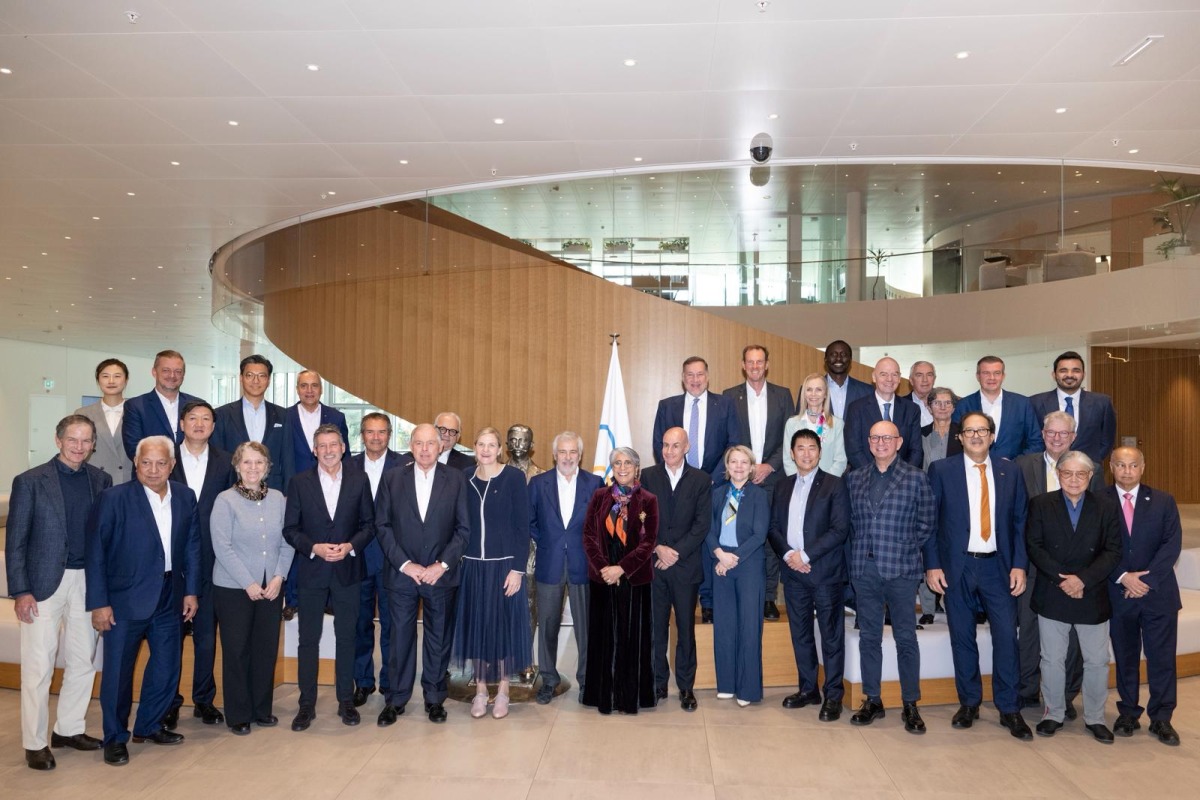

Lausanne, Switzerland – Sheikh Joaan bin Hamad Al Thani, President of the Qatar Olympic Committee, actively participated in the 14th Olympic Summit held at the Olympic House in Lausanne on Tuesday. The summit brought together key leaders from the International Olympic Committee (IOC) and various organizations within the Olympic Movement to discuss preparations for upcoming Games and the future direction of global sport. Discussions focused on ensuring the continued relevance and success of the Olympics in a rapidly changing world.
The meeting, chaired by IOC President Kirsty Coventry, included IOC Vice Presidents, Executive Board members, and representatives from National Olympic Committees (NOCs), Continental Olympic Committees, International Federations (IFs), and other global sports bodies. This high-level gathering underscores the collaborative approach the IOC is taking as it navigates complex challenges and opportunities facing international sport. The event’s location, the Olympic House, symbolizes the central role of the IOC in coordinating these efforts.
Focus on Future Olympic Games and the Olympic Movement
A significant portion of the summit was dedicated to reviewing the progress of the Milano Cortina 2026 Winter Olympics, the Dakar 2026 Youth Olympic Games, and the Los Angeles 2028 Summer Olympics. Organizers provided updates on infrastructure development, logistical planning, and sustainability initiatives for each event. Ensuring these Games are delivered successfully is paramount to maintaining public confidence in the Olympic brand.
Preparations for 2026 and 2028
The Milano Cortina 2026 Games are facing scrutiny regarding budget overruns and environmental concerns, according to recent reports from Italian news outlets. Organizers addressed these issues, outlining steps to mitigate costs and minimize the environmental impact of the event. The Dakar 2026 Youth Olympic Games, the first of its kind to be held in Africa, are seen as a crucial opportunity to promote sport and development on the continent.
Meanwhile, Los Angeles 2028 is proceeding with a more financially conservative approach, leveraging existing venues to reduce costs. The IOC emphasized the importance of innovation and engagement with younger audiences for the LA Games, recognizing the need to adapt to evolving entertainment preferences. This focus on youth engagement is a key component of the IOC’s broader strategy to secure the long-term future of the Olympic Games.
“Fit for the Future” Consultation
Beyond the immediate preparations for upcoming Games, the summit also delved into the findings of the IOC’s “Fit for the Future” consultation process. This initiative, launched in response to the changing landscape of sport, aims to identify ways to streamline the Olympic program, reduce costs, and enhance the overall experience for athletes and fans. The consultation involved extensive dialogue with stakeholders across the international sports federations.
The “Fit for the Future” process highlighted the need for greater flexibility in the Olympic program, potentially allowing host cities to propose events that are relevant to their local culture and priorities. However, balancing this flexibility with the need for a consistent and recognizable Olympic program remains a challenge. The IOC is also exploring ways to make the bidding process for hosting the Games more sustainable and accessible.
Sheikh Joaan’s participation in the summit underscores Qatar’s commitment to the Olympic Movement and its willingness to contribute to shaping the future of global sport. Qatar has invested heavily in sports infrastructure and has successfully hosted numerous international events, including the FIFA World Cup in 2022. This experience positions Qatar as a valuable partner in the ongoing discussions about the evolution of the Olympic system.
The Olympic Summit concluded with a reaffirmation of the importance of collaboration and a commitment to addressing the challenges and opportunities identified during the discussions. Participants agreed to continue working together to ensure the long-term viability and relevance of the Olympic Movement. The IOC is expected to present a more detailed roadmap for implementing the “Fit for the Future” recommendations in the coming months.
Looking ahead, the IOC Executive Board will meet in December to further discuss the outcomes of the summit and to formulate specific action plans. The success of these plans will depend on the continued cooperation of all stakeholders and the ability to adapt to the ever-changing dynamics of the global sports landscape. The next major milestone will be the evaluation of the progress made on the “Fit for the Future” initiative at the next Olympic Summit, scheduled for early 2025.