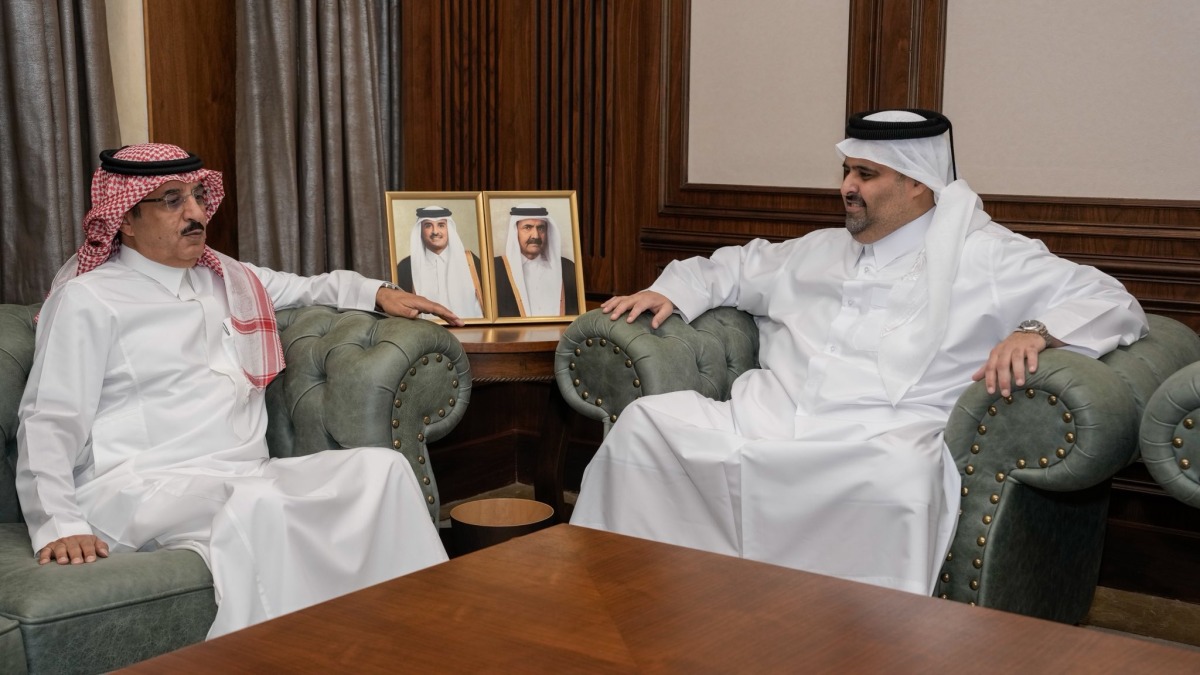

Doha, Qatar – A meeting between the heads of Qatar Media Corporation and Gulf Radio and Television Corporation took place today, signaling a renewed push for media cooperation within the Gulf Cooperation Council (GCC). HE Sheikh Khalid bin Abdulaziz bin Jassim Al-Thani, CEO of Qatar Media Corporation, hosted HE Majri Al Qahtani, Director General of the Gulf Radio and Television Corporation, at his office in Doha. Discussions centered on strengthening media ties and collaborative efforts among GCC member states.
The meeting, held on December 17, 2023, underscores the importance of unified media strategies in the region. Both organizations acknowledged the evolving media landscape and the need for coordinated responses to regional and international developments. This initiative comes amid broader efforts to enhance GCC integration across various sectors, including economic and security partnerships.
Enhancing GCC Media Cooperation
The primary focus of the discussions was identifying concrete ways to improve media cooperation, according to a statement released by Qatar Media Corporation. This includes potential joint productions, the sharing of news and programming resources, and the development of training programs for media professionals. Such collaboration aims to present a more unified narrative from the GCC perspective on key issues.
Areas of Potential Collaboration
Several specific areas were identified for potential collaboration. These include coverage of regional events, such as sporting competitions and cultural festivals, and the production of documentaries highlighting the shared heritage of GCC nations. Additionally, the two corporations explored opportunities for joint ventures in the digital media space, recognizing the growing importance of online platforms.
The need for coordinated responses to misinformation and disinformation was also a key topic. Both Sheikh Khalid and Al Qahtani emphasized the importance of responsible journalism and the need to combat the spread of false narratives that could destabilize the region. This aligns with wider concerns about global conflict and the role of media in shaping public opinion.
However, past attempts at comprehensive GCC media integration have faced challenges. Differing editorial policies and national priorities have sometimes hindered the development of truly unified media initiatives. The success of this latest effort will depend on the willingness of both organizations to overcome these obstacles and prioritize regional cooperation.
Meanwhile, the meeting also touched upon the importance of promoting media literacy among citizens. Recognizing the increasing sophistication of media manipulation techniques, both leaders agreed on the need to equip audiences with the skills to critically evaluate information and identify bias. This is a growing concern for media development globally.
In contrast to solely focusing on broadcasting, the discussion extended to the potential for collaboration in areas like media technology and infrastructure. Sharing expertise and resources in these fields could help to modernize media operations across the GCC and enhance their competitiveness on the international stage. This also includes exploring advancements in artificial intelligence and media.
The Qatar Media Corporation, established in 2012, oversees a range of radio and television channels, including Al Jazeera. The Gulf Radio and Television Corporation, based in Saudi Arabia, is a key player in the region’s broadcasting industry. Both organizations have a significant reach and influence within the GCC and beyond.
Looking ahead, a joint working group will be formed to develop a detailed action plan for implementing the agreed-upon initiatives. This plan is expected to be presented to the GCC Ministerial Council within the next three months. The timeline and specific details of future projects remain uncertain, and the level of commitment from other GCC member states will be crucial to the overall success of this renewed effort towards media cooperation. Further announcements regarding the working group’s composition and meeting schedule are anticipated in early 2024.