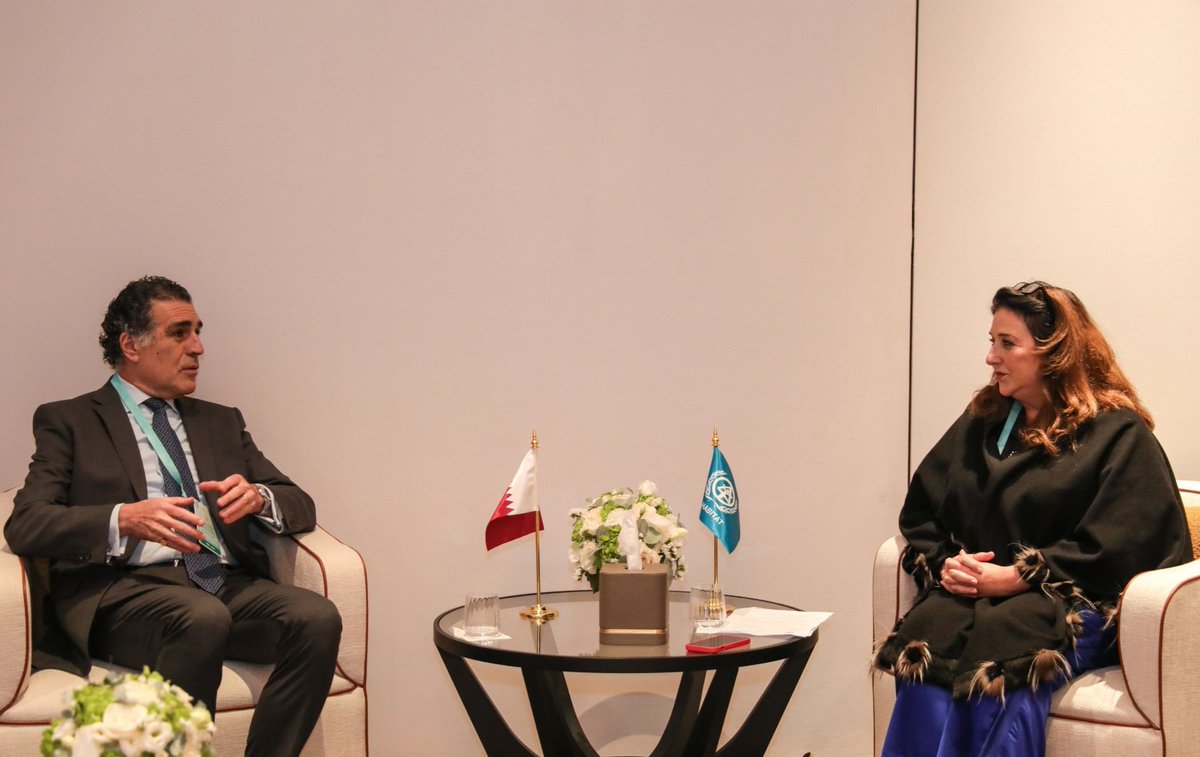

Doha, Qatar – Earthna Center for a Sustainable Future, a Qatar Foundation member, and UN-Habitat’s Regional Office for Arab States have formalized a partnership to tackle pressing sustainability challenges facing cities in hot and arid regions. The collaboration, announced at the Arab Ministerial Forum on Housing and Urban Development, will focus on knowledge sharing and the development of best practices for environmental and socioeconomic issues. The agreement seeks to improve climate resilience and promote sustainable urban development throughout the Middle East and North Africa.
The partnership was signed recently in Doha and is built on a mutual commitment to addressing the unique vulnerabilities of cities situated in harsh climates. It outlines a framework for joint research projects, strategic events, and the exchange of expertise. According to a joint statement, the collaboration will aim to accelerate the adoption of sustainable solutions across the Arab region.
Addressing Sustainability in Arid Environments
Cities in hot and arid zones face specific hurdles to sustainability, including water scarcity, extreme temperatures, and fragile ecosystems. These challenges are amplified by rapid urbanization and the impacts of climate change. Traditional urban planning models often prove inadequate in these contexts, necessitating innovative approaches that incorporate both modern technology and indigenous knowledge.
One of the first initiatives under the MoU will be the creation of a mangrove restoration best-practice guide. Mangrove ecosystems are critical for coastal protection, carbon sequestration, and biodiversity, yet they are under threat in many parts of the region. The guide will aim to standardise and improve the effectiveness of mangrove rehabilitation efforts.
Focus Areas of the Collaboration
The scope of the partnership extends beyond mangrove restoration. Earthna and UN-Habitat plan to establish thematic knowledge hubs dedicated to several key areas, including:
Regenerative urban green spaces – designing parks and public areas to enhance ecological function while providing community benefits.
Air-quality adaptation – strategies for mitigating the health impacts of air pollution in urban centres, especially during dust storms.
Traditional knowledge systems – integrating time-tested practices in resource management and building design with contemporary approaches.
Food security – promoting local food production and sustainable agricultural practices to reduce reliance on imports.
Additionally, UN-Habitat will actively participate in the Arid Cities Network (ACN), a platform created by Earthna to foster collaboration among cities experiencing similar environmental pressures. The ACN provides a venue for sharing experiences, identifying innovative solutions, and advocating for policies that support urban resilience. The network functions as a central resource for best practices and emerging technologies relevant to arid urban settings.
Dr. Gonzalo Castro de la Mata, Executive Director of Earthna, emphasized the potential impact of the partnership. He stated that the agreement provides a “broad scope for joint work on the key environmental challenges affecting our region,” particularly within urban areas, and expressed confidence in its ability to advance climate resilience.
Rania Hedeya, Regional Director for Arab States at UN-Habitat, echoed this sentiment, noting the combined reach and expertise of the two organizations. She believes this collaboration will accelerate the “adoption of best practice approaches,” fostering both environmental protection and sustainable urban development. UN-Habitat brings decades of international experience in city planning and housing to the table.
The development of the mangrove restoration guide is expected to be completed within the next year. Future progress will depend on securing funding and coordinating research efforts across various stakeholders. It remains to be seen how effectively traditional knowledge can be integrated with modern sustainability practices, which will be a key indicator of the partnership’s success. The next steps involve forming working groups to define specific research agendas and establish timelines for each thematic area.
Looking ahead, the partnership’s long-term impact will hinge on its ability to influence policy and attract investment in sustainable infrastructure. Monitoring the uptake of best practices by cities in the region, and measuring improvements in environmental indicators like air quality and green space coverage, will be crucial for evaluating the initiative’s effectiveness. The broader goal is to contribute to the achievement of the Sustainable Development Goals (SDGs) in the Arab world, particularly those related to sustainable cities and communities and climate action. This represents a significant effort toward long-term climate adaptation within the region.
Qatar Foundation
UN-Habitat
The Peninsula Qatar (image source)