

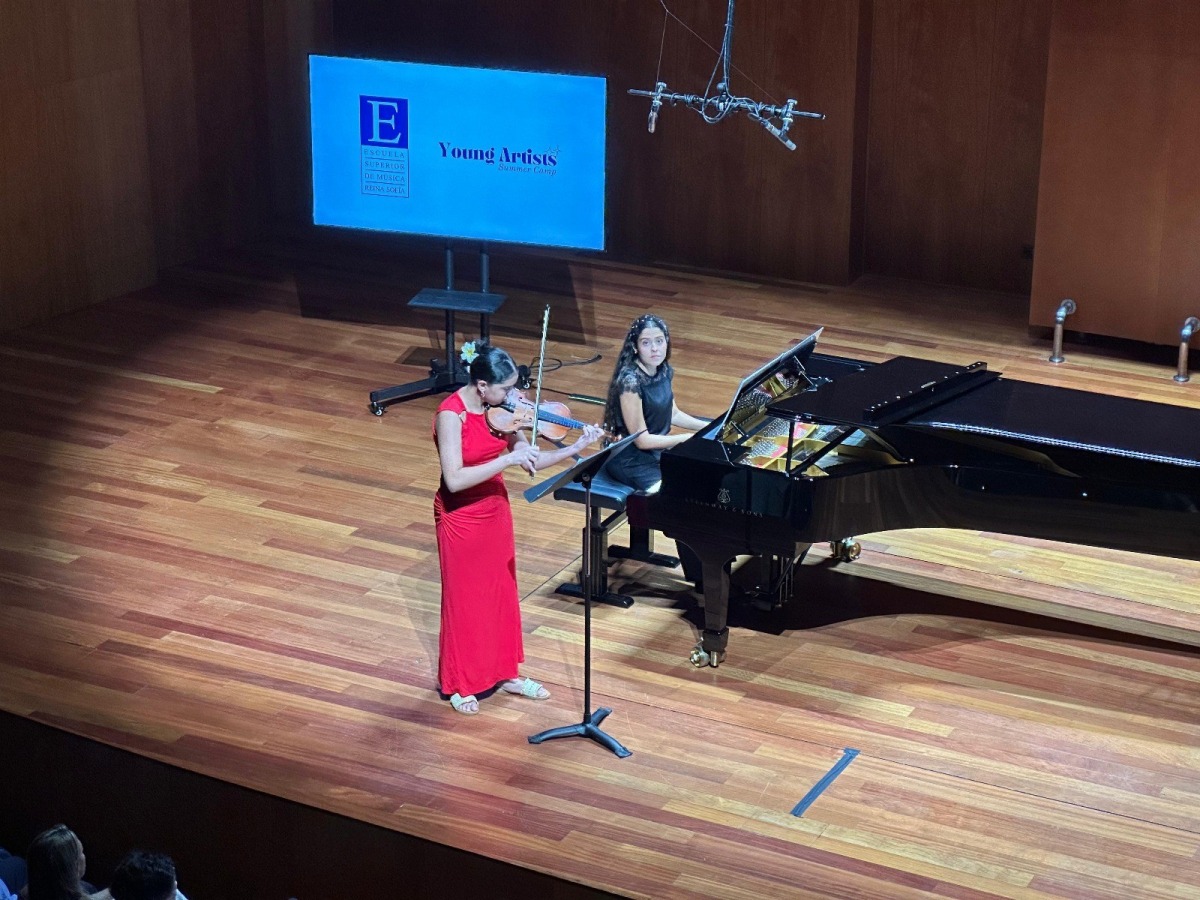

Doha, Qatar – A recent week-long intensive music camp at the Reina Sofía School of Music in Madrid provided a transformative experience for students from the Qatar Music Academy (QMA). The program, a key component of a partnership between QMA and the renowned Spanish institution, aimed to foster musical growth, confidence, and international collaboration among young Qatari musicians. This initiative underscores Qatar’s commitment to nurturing artistic talent and promoting cultural exchange.
The camp, held in December coinciding with Qatar’s National Day celebrations, offered advanced training and performance opportunities for selected QMA students. This collaboration, facilitated by Qatar Foundation (QF), highlights the nation’s investment in pre-university education and the development of future creative leaders. According to QMA officials, the program is designed to bridge musical traditions with innovative learning techniques.
Qatar Music Academy Students Benefit from International Exchange
The partnership between QMA and Reina Sofía extends beyond the annual Madrid camp. It encompasses advanced training programs, student exchange opportunities, and pathways for QMA graduates to pursue higher education at the Spanish school. Additionally, the collaboration explores the integration of virtual reality technologies into music education within QF schools, potentially revolutionizing the learning experience.
Loujaien Sassi, a violin student at QMA, described the camp as “life-changing.” She emphasized the intensive training schedule – from 9 am to 5 pm daily – and the opportunity to collaborate with students from diverse backgrounds. The experience, she stated, significantly boosted her confidence and motivated her to further develop her musical skills.
Building Confidence and Expanding Horizons
Loujaien’s father, Moez Sassi, noted a remarkable transformation in his daughter’s character following her participation. He highlighted the opportunities provided by QF as being unprecedented for his generation. The experience, he said, not only enhanced Loujaien’s musical abilities but also strengthened her communication skills and broadened her perspective.
Similarly, Leo Fayyad’s journey exemplifies the long-term benefits of QMA’s training. Having started violin lessons at age eight, Leo’s talent led to his selection as one of the youngest members of the Orchestre des Écoles Françaises à l’Étranger (OCLFM), an international orchestra. This achievement, coupled with a full scholarship from QMA, enabled him to participate in the Madrid camp.
Hadi Fayyad, Leo’s father, observed his son’s growth from an enthusiastic beginner to a disciplined and focused musician. He attributed this development to years of consistent training, performance opportunities, and orchestral projects offered through QMA. The program fostered both musical and emotional maturity, instilling confidence and a sense of responsibility in Leo.
The Reina Sofía School of Music is recognized internationally for its rigorous training and commitment to artistic excellence. Founded in 1991, the school provides a unique educational model focused on individualized instruction and performance opportunities. The partnership with QMA allows Qatari students to benefit from this renowned pedagogical approach.
Looking ahead, QF and QMA are expected to continue expanding the collaboration with Reina Sofía. Future plans include exploring further integration of technology into music education and increasing the number of student exchange opportunities. The long-term impact of this partnership on the development of musical talent in Qatar remains to be seen, but initial results indicate a promising trajectory for aspiring young musicians. Further evaluation of the program’s effectiveness and student outcomes will be crucial in shaping its future direction.