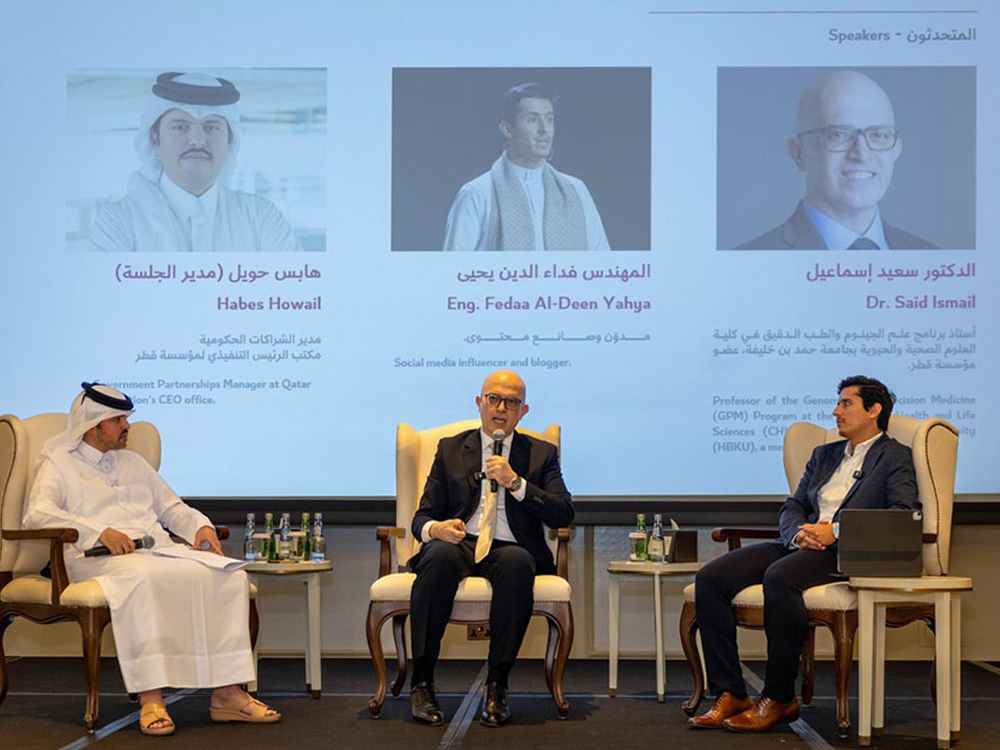

Doha, Qatar – Qatar Foundation (QF) hosted a two-day celebration marking the International Day of Education, bringing together educators, students, and families to emphasize the collective responsibility in fostering inclusive and future-ready education. The event, held at Barahat Msheireb, centered on QF’s Rasekh initiative and its vision for a bilingual, identity-based education model designed to strengthen cultural foundations while embracing global learning opportunities.
The annual observance, recognized globally on January 24th, underscores education as a fundamental human right and a shared societal obligation. QF’s event highlighted the evolution of its educational philosophy and the importance of preparing students for a rapidly changing world. The celebrations included the launch of the Rasekh Accreditation, a new framework for schools in Qatar.
Qatar Foundation Launches Rasekh Accreditation to Enhance Education Quality
A key outcome of the International Day of Education celebrations was the unveiling of the Rasekh Accreditation. This new framework is intended for both QF schools and international schools operating within Qatar, aiming to expand the impact of the Rasekh model. The accreditation focuses on strengthening bilingual education, localizing learning experiences, reinforcing cultural values, and empowering students to confidently share their innovations in their native language.
Focus on Bilingualism and Cultural Identity
According to Sheikha Noof Ahmed bin Saif Al-Thani, Vice President of Strategic Educational Initiatives for QF’s Pre-University Education, Rasekh Accreditation is a strategic step towards supporting educational quality. It aims to enable schools to adopt identity-based practices that prepare students to contribute meaningfully to their communities and actively shape their future. The initiative is rooted in a national vision to bolster cultural and linguistic identity through balanced bilingual education.
The event also featured a keynote address by Professor Roberto Filippi of University College London’s Institute of Education. His talk, “Building a Multilingual Future: Learning to Thrive in a Rapidly Changing World,” presented research demonstrating the benefits of multilingualism, highlighting its positive impact on student engagement, wellbeing, and academic achievement. This aligns with QF’s broader commitment to fostering a diverse and inclusive learning environment.
Visitors to the Rasekh Village experienced an immersive exploration of the model’s principles through interactive exhibits and educational pavilions. Qatar Foundation entities and participating schools showcased approaches that promote balanced bilingualism, cultural identity, and localized global learning. A Storytelling Platform provided a space for students, educators, and community organizations to share inspiring educational journeys, emphasizing the power of narrative in nurturing values and creativity.
Meanwhile, the concurrent Thunai Conference focused on promoting bilingual education models that balance Arabic language and cultural identity with global engagement through English. The conference brought together regional and international experts to discuss strategies for preparing students to thrive in diverse global environments while remaining connected to their cultural heritage. Sessions included insights from UNESCO and regional experts on multilingual education policies and heritage-rooted learning.
In parallel, the Takaafu (Equity) Conference addressed QF’s commitment to inclusive education, specifically focusing on neurodiversity and special educational needs. Lectures, panel discussions, and parent-focused sessions led by international experts explored strategies for supporting students with diverse learning needs. This reflects a growing emphasis on equitable access to quality education for all learners.
The launch of the Rasekh Accreditation marks a significant step in Qatar’s ongoing education reform efforts. The first cohort of schools nominated for accreditation has been announced, and the implementation of the framework is expected to unfold over the coming months. Further details regarding the accreditation process and timelines will be released by QF, and the long-term impact on student outcomes and national educational standards will be closely monitored.
Qatar Foundation continues to play a pivotal role in shaping the future of education in Qatar and beyond. UNESCO’s International Day of Education serves as a reminder of the ongoing need for collaborative efforts to ensure quality education for all.