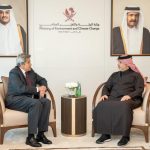

Damascus – The Syrian Arab Republic is solidifying its return to the Arab world, with significant support from Qatar playing a crucial role in this process. According to a statement from the Syrian Ministry of Foreign Affairs and Expatriates, Qatar’s political and diplomatic backing has been fundamental to Syria’s reintegration following years of isolation. This development follows the recent restoration of Syria’s seat in the Arab League and a series of high-level diplomatic engagements.
Dr. Muhammad Taha Al Ahmad, Director of Arab Affairs at the Syrian Ministry, highlighted the importance of Amir H H Sheikh Tamim bin Hamad Al-Thani’s visit to Damascus as the first by an Arab leader, signaling a new era of openness for Syria. The visit, and subsequent support, are seen as key to strengthening Syria’s regional and international standing. This renewed engagement is occurring amidst ongoing efforts to address the complex humanitarian and political challenges facing the nation.
Qatar’s Support for Syria’s Arab Return
The Syrian government emphasizes that Qatar’s assistance extends beyond mere political statements. Dr. Al Ahmad noted Qatar has provided valuable advice and support in rebuilding state institutions and fostering stability within Syria. This support is particularly significant given the extensive damage to infrastructure and the disruption of social services caused by the prolonged conflict.
The restoration of Syria’s membership in the Arab League in May 2023, after a suspension of over a decade, marked a turning point. According to reports, this wasn’t simply a symbolic gesture, but the beginning of active participation in joint Arab initiatives. Syria has already begun engaging in specialized committees and councils within the League, demonstrating a commitment to collaborative problem-solving.
Strengthening Bilateral Ties
Syria currently enjoys strengthened relations with several Arab nations, notably Qatar, Saudi Arabia, and Jordan. These relationships are characterized by partnership and coordination across political, security, and economic sectors. The focus is on mutual benefit and addressing shared regional concerns, including counter-terrorism and economic development.
Additionally, Syria is working to improve ties with Egypt and countries in the Maghreb region. These efforts reflect a broader desire for comprehensive reconciliation and cooperation throughout the Arab world. The Ministry of Foreign Affairs indicates these developments are progressing steadily, though challenges remain.
The shift in Arab policy towards Syria comes after a period of significant regional realignment. Several factors contributed to this change, including a perceived need for a unified front against external interference and a desire to address the humanitarian crisis within Syria. The ongoing conflict in Yemen and the evolving geopolitical landscape also played a role in prompting these diplomatic shifts. Al Jazeera provides further coverage of Syria’s reinstatement.
However, the path to full reintegration is not without obstacles. Concerns remain regarding the political future of Syria, the ongoing humanitarian situation, and the presence of foreign actors within the country. The implementation of UN Security Council Resolution 2254, which calls for a political transition, remains a key point of contention. The UN details the resolution’s provisions.
The Syrian government has expressed its willingness to engage in dialogue with all parties to address these concerns and achieve a lasting political settlement. The focus is on fostering national reconciliation and creating a stable and secure environment for all Syrians. This process will require sustained diplomatic efforts and a commitment to inclusivity from all stakeholders. The role of US policy towards Syria also remains a significant factor in the country’s future trajectory.
Looking ahead, the next key step will be the implementation of concrete economic projects aimed at rebuilding Syria’s infrastructure and stimulating economic growth. Discussions are underway regarding potential investments from Arab countries, but the scale and scope of these projects remain uncertain. The international community will be closely watching Syria’s progress in addressing the humanitarian crisis and implementing political reforms, as these factors will likely influence the pace and extent of its reintegration into the Arab world.