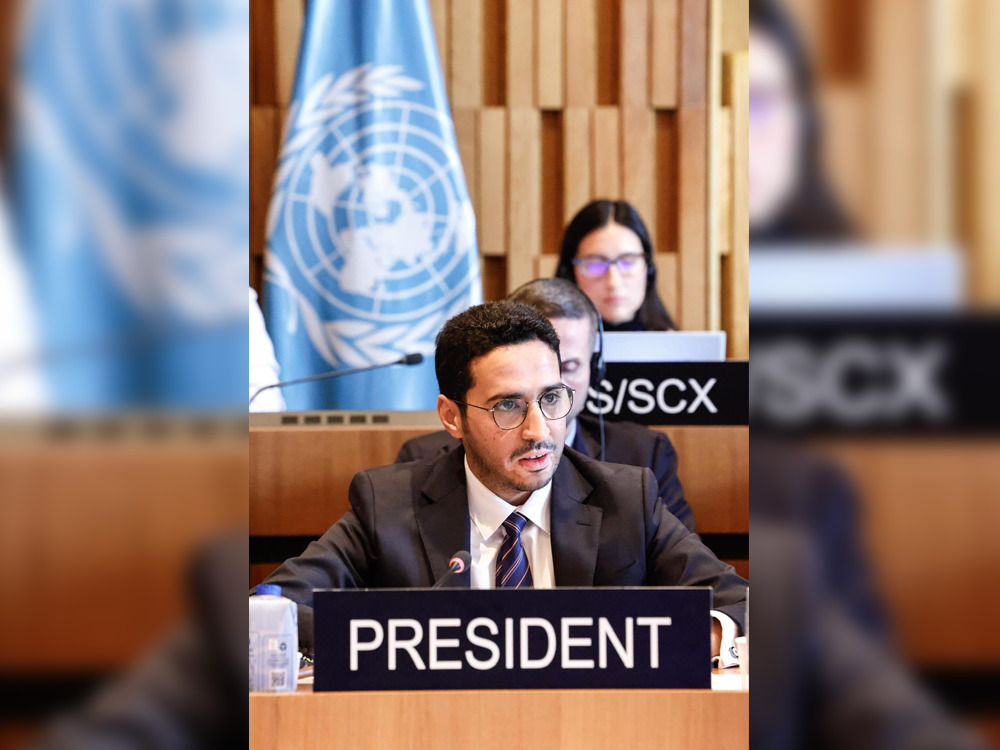

Paris – The United Nations Educational, Scientific and Cultural Organization (UNESCO) Executive Board has unanimously elected Dr. Nasser bin Hamad Al Hinzab of Qatar as its Chairperson for the 223rd session. The election, held at UNESCO headquarters, signifies Qatar’s growing influence and commitment to international collaboration in UNESCO‘s core areas of education, science, and culture. This leadership position will be crucial as the organization navigates ongoing global challenges impacting these sectors.
Dr. Al Hinzab’s appointment, announced today, reflects widespread confidence in Qatar’s dedication to supporting UNESCO’s mission, according to a statement released by the organization. The election process involved representatives from member states recognizing Qatar’s consistent contributions and prioritizing its experience on the board. The 223rd session is currently underway and expected to address pressing issues in global education and cultural preservation.
Qatar’s Leadership Role in UNESCO
Qatar has been a consistent advocate for strengthening international cooperation in education, science, and culture for decades. The country’s financial contributions to UNESCO projects, particularly those supporting education in conflict zones, have been substantial. This sustained support, coupled with its diplomatic efforts, has forged strong relationships with member states, ultimately leading to Dr. Al Hinzab’s election.
The role of the UNESCO Executive Board is pivotal in shaping the organization’s strategic direction. It serves as the primary decision-making body between sessions of the General Conference, overseeing the implementation of programs and policies. According to UNESCO’s official website, the board approves the organization’s draft program and budget, and examines reports on activities within its various fields of competence.
Supporting Education During Crisis
One of Qatar’s key focuses within UNESCO has been providing educational opportunities for children and youth affected by conflict and displacement. The country has actively supported initiatives aimed at establishing safe learning environments and ensuring access to quality education in crisis-affected regions. These efforts align with Sustainable Development Goal 4, which aims to ensure inclusive and equitable quality education and promote lifelong learning opportunities for all.
Additionally, Qatar is a strong proponent of preserving cultural heritage, recognizing its importance in fostering identity and promoting understanding between different cultures. The country has invested in projects aimed at safeguarding tangible and intangible cultural heritage sites around the world, working alongside UNESCO experts to address threats posed by conflict, climate change, and unsustainable development. Cultural preservation is considered a vital aspect of maintaining global diversity.
Dr. Al Hinzab acknowledged the significance of the appointment, stating his commitment to strengthening UNESCO’s role in promoting these vital areas. He emphasized the importance of collaboration with all member states to achieve shared goals and advance the organization’s mandate. He plans to engage proactively with stakeholders to identify emerging challenges and opportunities within UNESCO.
The election of Dr. Al Hinzab also coincides with increased global attention on the importance of science and technology in addressing pressing issues like climate change and public health. UNESCO plays a crucial role in fostering international scientific collaboration and promoting evidence-based policymaking. UNESCO’s efforts in these areas will be critical in the coming years, and Qatar’s leadership on the Executive Board will undoubtedly influence their trajectory.
This move by UNESCO underscores the growing prominence of Qatar as a key player in international affairs, particularly within organizations focused on global development and cultural understanding. The country’s active diplomacy and financial investments have positioned it as a valuable partner in addressing complex global challenges. International development and cultural diplomacy remain core tenets of Qatar’s foreign policy.
The Executive Board’s next steps include finalizing the agenda for the 223rd session and initiating discussions on key program areas. The board will also begin preparations for the upcoming General Conference, where member states will review the organization’s progress and set priorities for the future. The impact of Dr. Al Hinzab’s leadership on these discussions remains to be seen, with observers anticipating a continued emphasis on education, cultural preservation and science collaboration.
Looking ahead, the board’s decisions will shape UNESCO’s response to emerging crises and its ability to achieve its ambitious goals for the coming years. Monitoring Qatar’s initiatives within the board and the resulting program adjustments will be important for understanding the evolving role of UNESCO in the global landscape.
UNESCO’s official website provides further information on its programs and activities.