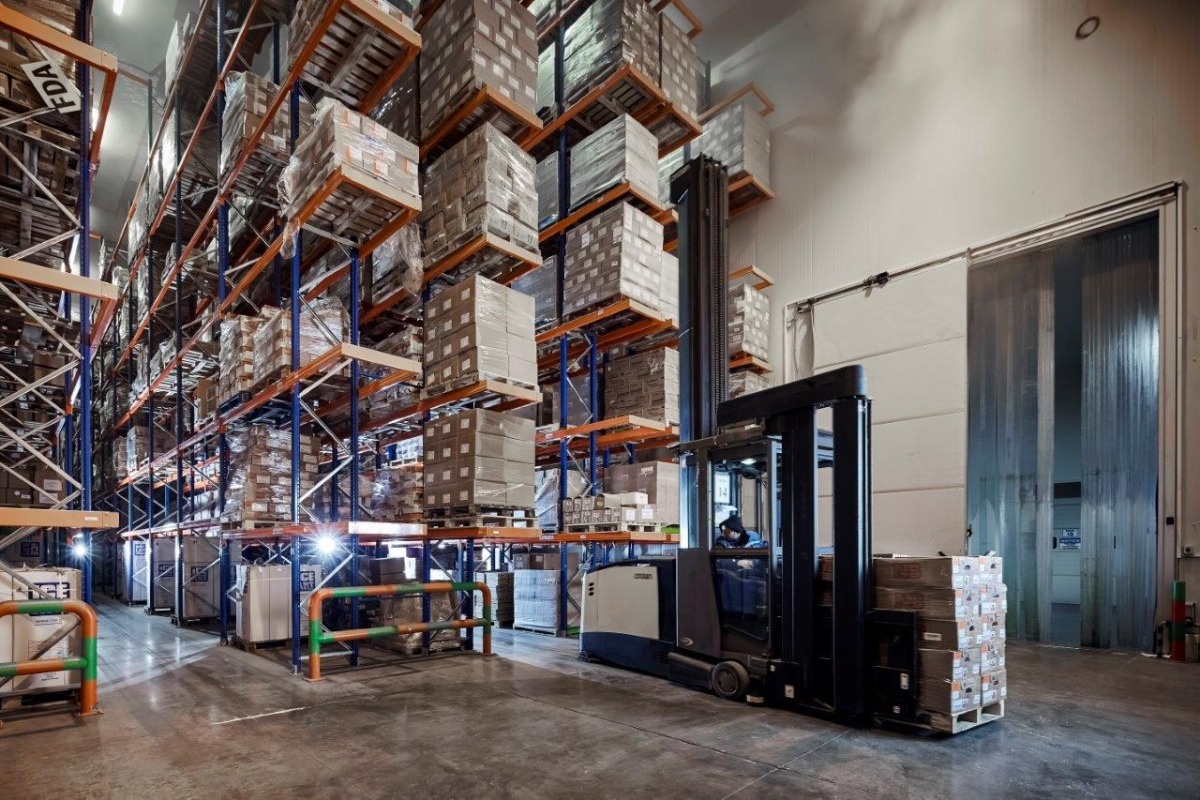

Doha, Qatar – Qatar’s logistics sector is rapidly becoming a cornerstone of the nation’s economic diversification, fueled by increasing trade volumes and the growing prominence of Hamad Port as a regional transshipment hub. Recent data indicates a significant surge in activity, positioning Qatar as a key player in global supply chains. This growth is supported by substantial investment in infrastructure and technology, enhancing the country’s competitiveness in the international market.
The positive trajectory is underscored by the 2024 Container Port Performance Index (CPPI) published by the World Bank and S&P Global, which ranks Hamad Port among the highest-performing globally, citing its advanced infrastructure and operational efficiency – the best in the Gulf region. This recognition is attracting increased attention from international shipping lines and bolstering Qatar’s role in facilitating trade.
Hamad Port Drives Growth in Qatar’s Logistics Sector
Hamad Port has evolved from primarily serving domestic trade to functioning as a vital regional logistics platform. According to Mwani Qatar, transshipment volumes have experienced rapid growth, now accounting for nearly 50% of the total volume handled between January and November 2025. This shift highlights the port’s expanding capacity to serve as a redistribution center for goods traveling between East and West.
This increase in transshipment activity is a direct result of Qatar’s strategic geographic location along major trade routes. Additionally, ongoing investments in automation, digital systems, and streamlined customs procedures are contributing to faster turnaround times and reduced costs for shipping companies. These improvements are making Doha an increasingly attractive option for carriers seeking efficient and reliable port services.
Impact on the Qatari Economy
Logistics analysts, such as Uwais Rahman, emphasize the broader economic benefits stemming from Hamad Port’s success. “Ports with strong CPPI rankings tend to attract more shipping services, which creates a positive feedback loop for trade, investment and job creation,” Rahman stated. This positive cycle is strengthening Qatar’s non-energy exports and supporting the development of industrial zones.
The expansion of the supply chain sector is also closely aligned with Qatar’s National Vision 2030, which prioritizes economic diversification away from hydrocarbons. Improved port performance is bolstering key industries like manufacturing, food security, construction, and the rapidly growing e-commerce market. This diversification is crucial for enhancing Qatar’s economic resilience against external shocks.
Furthermore, the enhanced logistics capabilities are contributing to greater trade competitiveness for Qatari businesses. Efficient and reliable port services enable companies to access global markets more easily and cost-effectively, fostering innovation and growth. However, maintaining this momentum requires continued investment in infrastructure and technology.
The Ministry of Transport’s strategic plan is directly supporting this growth, focusing on developing a world-class logistics ecosystem. This includes initiatives to improve connectivity, enhance customs procedures, and promote the adoption of advanced technologies. The plan aims to position Qatar as a leading regional and global logistics hub.
While the current outlook for Qatar’s logistics sector is positive, challenges remain. Global economic fluctuations and geopolitical uncertainties could impact trade volumes and disrupt supply chains. Monitoring these factors and adapting to changing market conditions will be essential for sustaining growth.
Looking ahead, experts anticipate that the logistics sector will continue to play a pivotal role in Qatar’s economic development. Further expansion of Hamad Port’s capacity and the implementation of new technologies are expected to drive even greater efficiency and attract additional investment. The next phase of development, slated for completion in late 2026, will focus on increasing container handling capacity and expanding the port’s warehousing facilities, though the exact impact will depend on prevailing global economic conditions.
Learn more about the Container Port Performance Index.
Visit Mwani Qatar.
Explore the Ministry of Transport’s strategic plan.