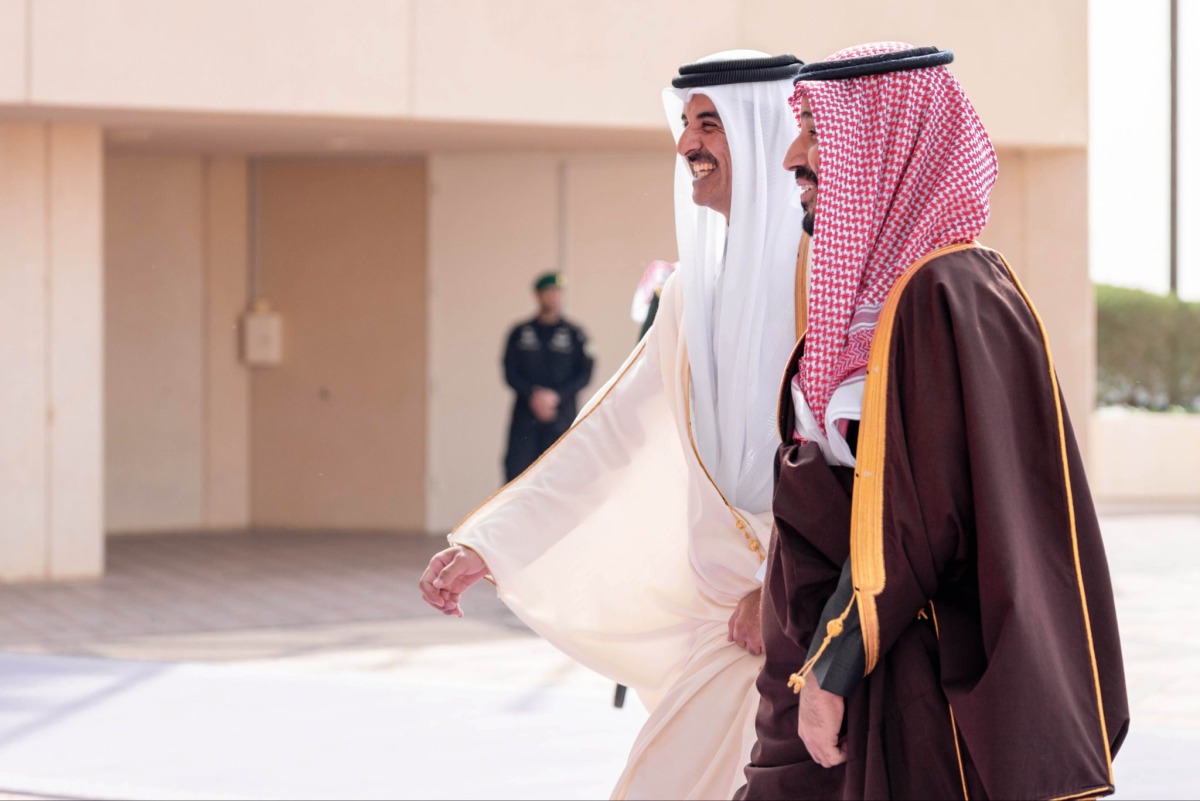

Doha, Qatar – Sheikh Tamim bin Hamad Al-Thani, the Amir of Qatar, and Prince Mohammed bin Salman, Crown Prince and Prime Minister of Saudi Arabia, reaffirmed their commitment to strengthening bilateral ties following the eighth meeting of the Qatar-Saudi Coordination Council on December 8, 2025. The discussions focused on expanding strategic partnership between the two nations across various sectors, signaling continued progress in their diplomatic and economic relations. This meeting underscores a period of warming relations after years of regional tensions.
The meeting, held in Doha, saw both leaders express satisfaction with the outcomes and the potential for further collaboration. Amir Sheikh Tamim highlighted the importance of the council as a platform for reviewing and investing in the potential of the relationship, rooted in “deep-rooted ties of brotherhood and friendship.” The Saudi Crown Prince echoed these sentiments, emphasizing the shared goals of both countries.
Strengthening Qatar-Saudi Strategic Partnership
The Qatar-Saudi Coordination Council was established in 2017 as a mechanism to address shared challenges and foster cooperation. Its formation followed a period of strained relations, including the imposition of a blockade on Qatar by Saudi Arabia and other Gulf states. The recent meetings represent a significant shift toward closer collaboration, indicating a desire for regional stability and economic integration.
According to official statements, key areas of discussion included investment, energy, security, and regional developments. Both nations are major players in the global energy market, and cooperation in this sector is expected to be a central component of their strategic partnership. The leaders also reportedly discussed ways to enhance trade and investment flows between the two countries.
Economic Cooperation in Focus
Recent years have seen increased Saudi investment in Qatar, particularly in real estate and tourism. Qatar, in turn, has shown interest in investing in Saudi Arabia’s ambitious Vision 2030 diversification plan. This reciprocal investment is a crucial element of deepening economic ties.
Additionally, the two countries are exploring joint ventures in the petrochemical and manufacturing industries. These initiatives aim to reduce reliance on oil revenues and create new economic opportunities for both nations. The potential for a unified approach to attracting foreign direct investment was also reportedly discussed.
Regional Security and Diplomacy
Beyond economic matters, the meeting addressed regional security concerns and diplomatic efforts. Both Qatar and Saudi Arabia play important roles in mediating conflicts and promoting stability in the Middle East. The discussions likely covered ongoing efforts to address the situation in Yemen, as well as broader issues related to counter-terrorism and maritime security.
The leaders also exchanged views on the latest developments in the Israeli-Palestinian conflict and the importance of a two-state solution. Qatar and Saudi Arabia share a common position on the need for a just and lasting peace in the region. This alignment on key diplomatic issues further solidifies their strategic partnership.
The Qatari delegation, led by the Amir, included His Excellency Sheikh Mohammed bin Abdulrahman bin Jassim Al-Thani, the Prime Minister and Minister of Foreign Affairs. This high-level representation underscores the importance Qatar places on these discussions. The presence of key ministers and advisors suggests a comprehensive approach to strengthening ties with Saudi Arabia.
The meeting comes amidst a broader trend of improved relations between Qatar and other Gulf states. The lifting of the blockade in 2021 paved the way for renewed diplomatic engagement and economic cooperation. This positive momentum is expected to continue in the coming months, fostering greater regional integration. The focus on bilateral relations is a key aspect of this shift.
Looking ahead, the next meeting of the Qatar-Saudi Coordination Council is anticipated in the latter half of 2026, though a specific date has not been announced. Observers will be watching for concrete progress on the initiatives discussed, particularly in the areas of investment and energy cooperation. The long-term success of this bilateral relationship will depend on sustained commitment from both sides and a continued focus on mutual interests.
The development of a joint tourism strategy, as hinted at in recent reports, could also be a significant outcome to monitor.