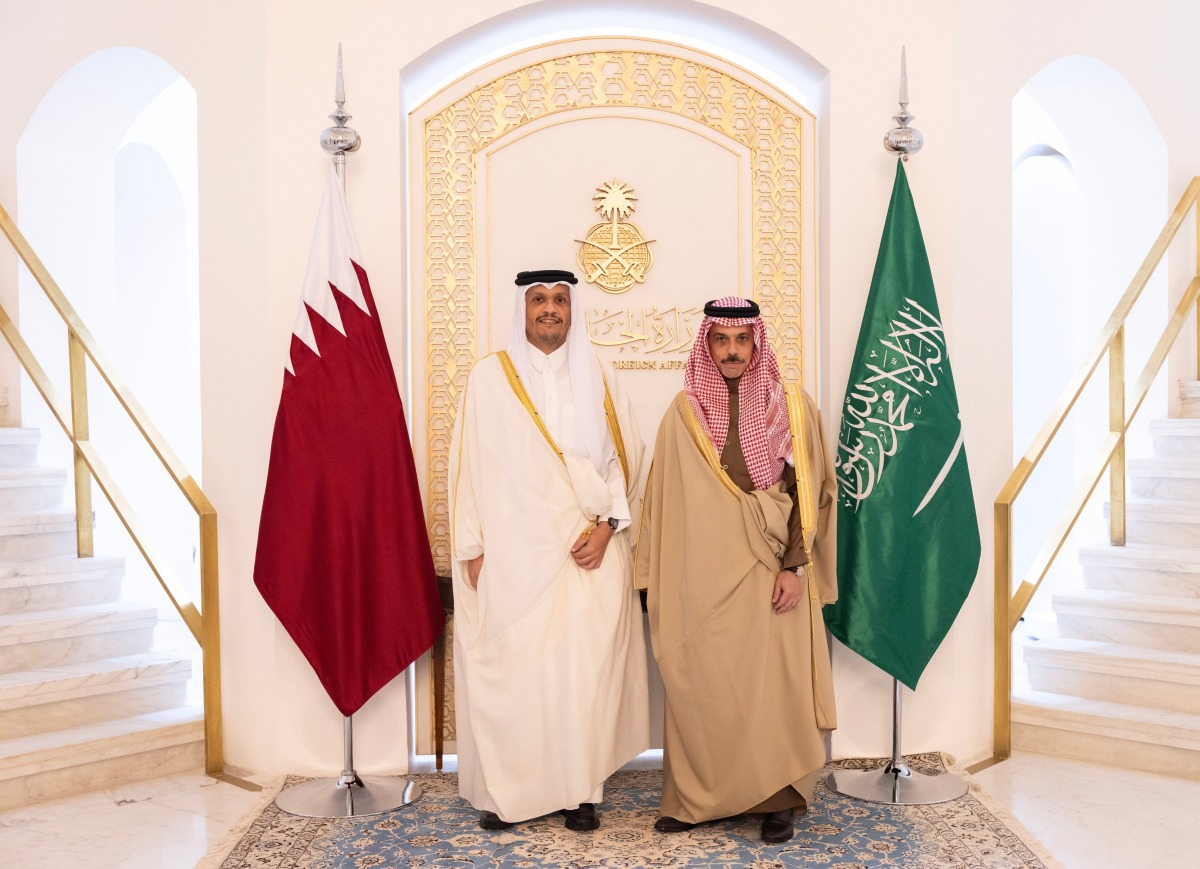

Doha, Qatar – High-level officials from Qatar and Saudi Arabia convened in Riyadh on Thursday to advance cooperation across multiple sectors, reaffirming a strengthened bilateral relationship. The eighth meeting of the Executive Committee of the Qatari-Saudi Coordination Council was co-chaired by Qatar’s Prime Minister and Minister of Foreign Affairs, Sheikh Mohammed bin Abdulrahman bin Jassim Al-Thani, and Saudi Arabia’s Minister of Foreign Affairs, Prince Faisal bin Farhan bin Abdullah Al Saud. This meeting signals continued progress in implementing agreements reached since the restoration of diplomatic ties in 2023.
The discussions, held in the Saudi capital, focused on reviewing the progress made by various subcommittees and working groups established under the council. Both nations emphasized their commitment to deepening collaboration in areas of mutual interest, including economic development, security, and regional stability. The meeting underscores the ongoing efforts to solidify a strategic partnership between Doha and Riyadh.
Strengthening Qatar-Saudi Arabia Relations
The Qatari-Saudi Coordination Council was established in 2017, though its work was significantly hampered by a period of strained relations between the two countries from 2017 to 2021. Following the AlUla agreement in January 2021 and the full restoration of diplomatic ties, the council was reactivated with renewed momentum. According to the official report, this latest meeting represents a key step in operationalizing the commitments made to enhance cooperation.
Key Areas of Discussion
While specific details of the discussions remain limited, the agenda reportedly encompassed a broad range of topics. These included initiatives to boost economic cooperation, particularly in the energy sector and investment. Security collaboration, including counter-terrorism efforts and regional security concerns, was also a prominent feature of the talks. The ministers also addressed ongoing efforts to facilitate increased trade and investment flows between the two nations.
Additionally, the meeting addressed logistical challenges related to cross-border movement and infrastructure projects. The two sides explored ways to streamline procedures for businesses and citizens, fostering greater connectivity. This focus on practical implementation reflects a shift towards tangible outcomes from the broader strategic partnership.
Meanwhile, regional issues, including the ongoing conflicts in Sudan and Yemen, were likely discussed. Both Qatar and Saudi Arabia play significant roles in mediating regional disputes, and coordination on these fronts is considered crucial for achieving lasting stability. The ministers likely exchanged views on the latest developments and potential avenues for de-escalation.
In contrast to the previous period of diplomatic isolation, the current phase is characterized by a proactive approach to resolving outstanding issues and identifying new areas for collaboration. This shift is driven by a shared recognition of the benefits of a strong and stable relationship between the two Gulf states. The Reuters report indicates a commitment to regular meetings and ongoing dialogue.
Following the discussions, Sheikh Mohammed and Prince Faisal signed the minutes of the Executive Committee meeting, formalizing the agreements reached. This signifies a mutual understanding and commitment to implementing the outlined initiatives. The signing ceremony underscores the seriousness with which both countries are approaching this renewed partnership.
Looking ahead, the General Secretariat of the Qatari-Saudi Coordination Council will be responsible for following up on the commitments made during the meeting. The next steps will involve detailed planning and implementation of the agreed-upon initiatives, with timelines and specific deliverables to be determined. While a firm date for the next Executive Committee meeting has not been announced, it is anticipated to take place within the next six to twelve months. Continued monitoring of the council’s progress will be essential to assess the long-term impact of this strengthened bilateral relationship and its implications for regional dynamics.