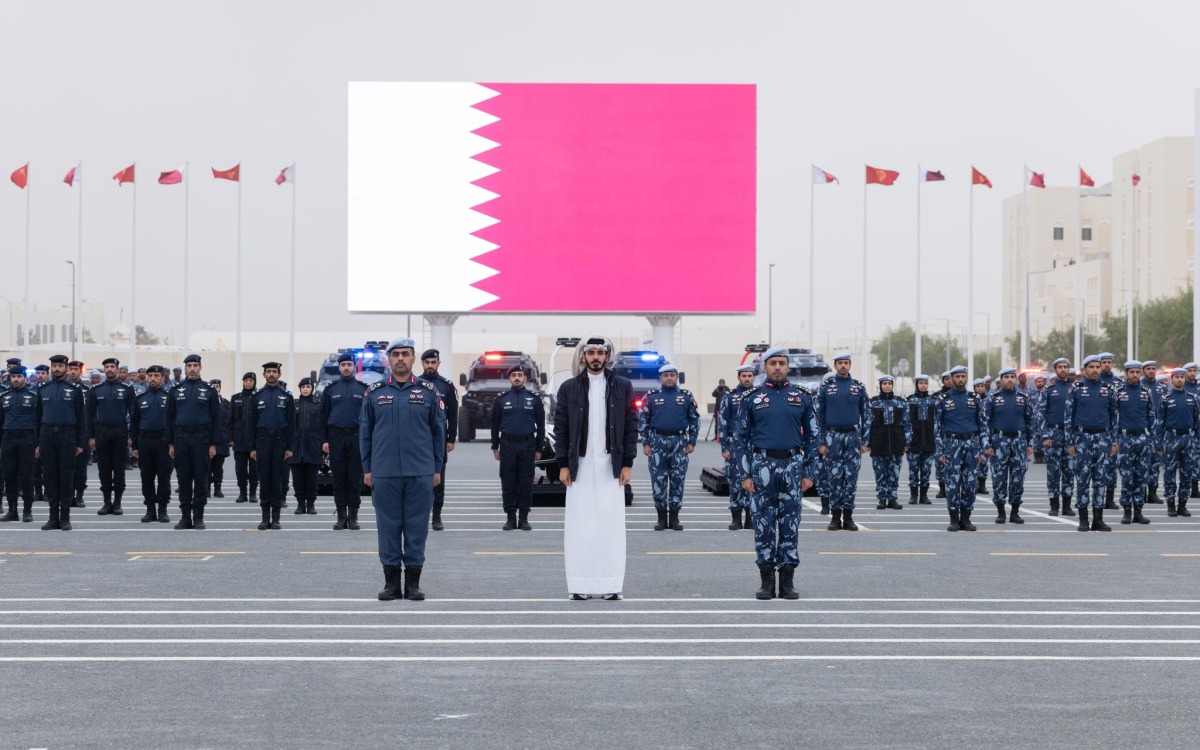

Qatar is deploying a security contingent to Italy to assist in safeguarding the Milano–Cortina 2026 Winter Olympic Games, scheduled to run from February 6 to 22. The deployment, announced by the Ministry of Interior, highlights Qatar’s growing role in international security cooperation and builds upon its experience hosting major sporting events. Minister of Interior and Commander of the Internal Security Force (Lekhwiya) H E Sheikh Khalifa bin Hamad bin Khalifa Al Thani recently met with the Qatari security forces preparing for the mission.
The Qatari team will work alongside Italian and international security personnel to ensure the safety and security of athletes, spectators, and officials during the Games. The Ministry of Interior stated the force is prepared to leverage its expertise gained from securing events like the FIFA World Cup Qatar 2022. This collaboration underscores the increasing global need for coordinated security measures at large-scale international events.
Qatar’s Role in 2026 Winter Olympics Security
The decision to contribute to the security operation in Italy reflects Qatar’s commitment to international partnerships and its desire to share its security expertise. According to the Ministry, the deployment is a direct result of directives from His Highness the Amir. This initiative aims to demonstrate the effectiveness of Qatar’s security systems on a global stage.
Leveraging Experience from the FIFA World Cup
Qatar’s successful hosting of the FIFA World Cup in 2022 provided valuable experience in managing large crowds, implementing advanced surveillance technologies, and coordinating security responses. The ministry indicated that lessons learned during the World Cup will be directly applied to the Italian deployment. This includes strategies for counter-terrorism, crowd control, and cybersecurity.
However, securing a winter sports event presents unique challenges compared to a football tournament. The geographical spread of venues across mountainous regions and the potential for adverse weather conditions require specialized planning and resources. The Qatari team will likely focus on areas such as venue security, transportation security, and intelligence gathering.
International Security Cooperation
The involvement of Qatari security personnel in the Milano–Cortina 2026 Games is part of a broader trend of increased international cooperation in security matters. Many nations contribute personnel and resources to secure major events, recognizing that a collaborative approach is essential to address evolving threats. This cooperation extends to sharing intelligence, best practices, and technological advancements.
Additionally, the deployment strengthens diplomatic ties between Qatar and Italy. The partnership demonstrates a mutual trust and a shared commitment to global security. The Italian government has previously expressed appreciation for Qatar’s support in various security initiatives.
The Qatari security forces are expected to play a significant role in protecting key infrastructure and ensuring a safe environment for all participants. The ministry emphasized the importance of maintaining the highest levels of efficiency and readiness throughout the duration of the Games. This includes ongoing training and preparedness exercises.
The deployment of Qatari security forces also highlights the nation’s investment in its internal security apparatus. The Lekhwiya, Qatar’s Internal Security Force, has undergone significant modernization and expansion in recent years, enhancing its capabilities to respond to a wide range of security challenges. This investment is seen as crucial for protecting Qatar’s national interests and maintaining regional stability. Security preparedness is a key priority for the country.
Looking ahead, the Qatari contingent will finalize preparations and deploy to Italy in the coming weeks. The success of their mission will be evaluated based on the overall security of the Games and the absence of major incidents. Observers will be watching to see how effectively Qatar’s experience from the World Cup translates to the unique environment of the Winter Olympics, and how this collaboration impacts future international security cooperation efforts.