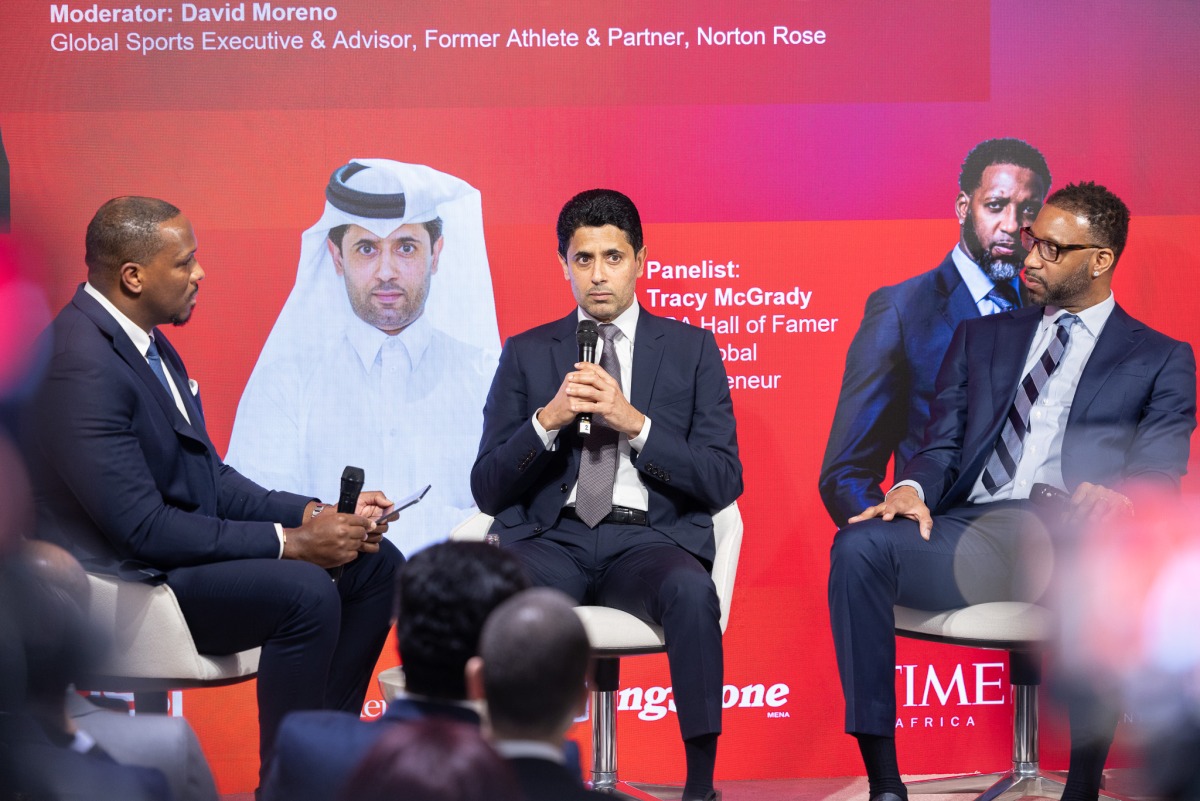

DAVOS, Switzerland – A high-level dialogue hosted by the QatarDebate Centre at the World Economic Forum’s Annual Meeting 2024 explored the evolving relationship between sport, investment, and global governance. The session, titled “The New Global Game Rules Series: Athletes, Investment, and the Future of Sport,” brought together leaders from the sports industry, finance, media, and policy to discuss the sector’s increasing economic influence. Discussions centered on the need for sustainable governance and the growing role of athletes as economic partners.
The event, held in Davos this week, highlighted how the sports landscape is shifting from purely competitive to a significant economic driver. Participants emphasized the interconnectedness of athletic performance, financial investment, and national development through sports. This conversation comes as global sports spending continues to rise, attracting increased scrutiny and calls for greater transparency.
The Growing Economic Power of Sport
Nasser bin Ghanim Al Khelaifi, Chairman of Qatar Sports Investments, beIN Media Group, and President of Paris Saint-Germain, asserted that sport is now a fundamental component of the global economy. He explained that investment in the sector extends beyond traditional athletic competition to encompass media rights, technological innovation, and brand development. Al Khelaifi stressed the importance of a long-term vision and robust governance structures for sustained success in the industry.
This perspective aligns with broader trends in the sports market. According to a report by Deloitte, the world’s top 30 football clubs generated revenues of €10.9 billion in the 2022/23 season, demonstrating the substantial financial scale of the industry. The increasing commercialization of sports is also driving demand for related services like sports analytics and fan engagement platforms.
Athlete Empowerment and Investment
NBA Hall of Famer Tracy McGrady underscored the need to empower athletes beyond their playing careers. He advocated for investment opportunities and entrepreneurship as crucial tools for athletes to maintain their impact and financial security after retirement. This includes supporting athletes in developing sustainable business ventures and providing them with financial literacy training.
McGrady’s comments reflect a growing movement towards athlete-led investment funds and businesses. Several prominent athletes have launched venture capital firms focused on areas like technology, health, and wellness, leveraging their brand recognition and financial resources. This trend is seen as a positive development, fostering innovation and providing athletes with greater control over their financial futures.
Governance and Regulatory Frameworks
David Moreno Jr., a Global Sports Executive & Advisor, emphasized the critical link between the future of sport and the development of appropriate regulatory and investment frameworks. He argued that aligning the sports industry with established legislation and governance standards is essential for maintaining integrity and fostering sustainable growth.
The need for robust governance is particularly relevant in light of recent controversies surrounding sports organizations and bidding processes for major events. Calls for greater transparency and independent oversight are increasing, with organizations like the International Olympic Committee facing pressure to implement reforms.
Olympic medalist Cherif Younousse added that consistent high-level athletic performance is key to attracting investment. He highlighted the importance of creating a professional environment that supports both competitive success and the preservation of sporting values. This includes investing in athlete development programs, ensuring fair play, and promoting ethical conduct.
Abdulrahman Al Subaie, Director of Programmes and Head of Strategic Partnerships at QatarDebate Centre, stated the Centre views dialogue as a vital tool for navigating global changes and creating more inclusive policies. He noted that connecting sport with investment and policy-making can unlock new opportunities for international collaboration and cross-sector integration. The Centre’s involvement underscores its commitment to fostering constructive conversations on critical global issues.
Looking ahead, the integration of sport into the global economy is expected to deepen. Further discussions are anticipated regarding financial fair play regulations, the impact of emerging technologies like artificial intelligence and blockchain, and the role of sports in promoting social and environmental sustainability. The effectiveness of these dialogues and the resulting policy changes will be crucial in shaping the future of the industry and ensuring its long-term viability.
The World Economic Forum will continue to host related discussions throughout the year, with a focus on developing actionable strategies for addressing the challenges and opportunities facing the global sports sector. Stakeholders will be watching for concrete proposals and commitments from governments, sports organizations, and investors in the coming months.