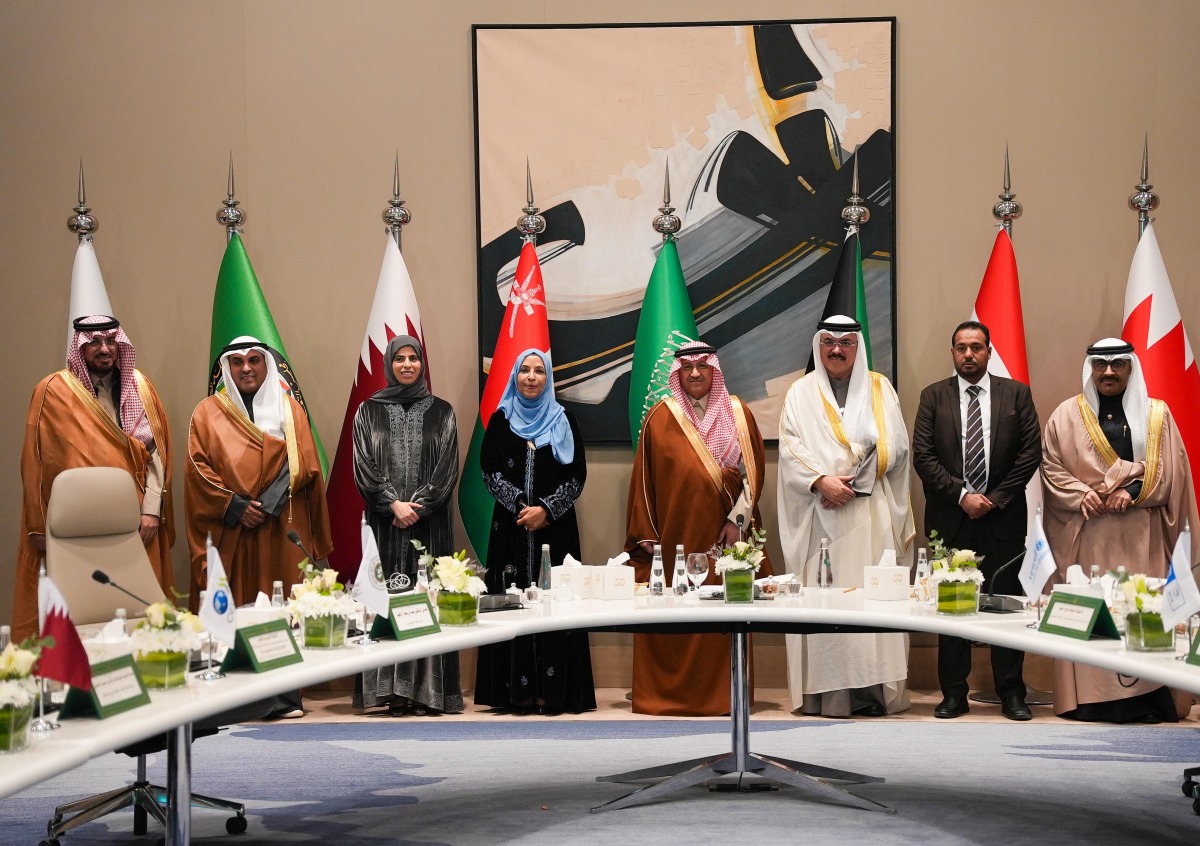

Doha, Qatar – The State of Qatar actively participated in the Golden Jubilee celebration of the Arab Bureau of Education for the Gulf States (ABEGS) held in Riyadh, Saudi Arabia, this week. The event highlighted 50 years of collaboration in advancing education across the Gulf Cooperation Council (GCC) nations. Qatar’s delegation, led by Minister of Education and Higher Education H.E. Lolwah bint Rashid bin Mohammed Al Khater, underscored the nation’s commitment to educational reform and innovation within the region.
The celebration, held at the InterContinental Riyadh Hotel, brought together ministers of education from all GCC countries, as well as representatives from prominent international organizations like UNESCO and the Organisation for Economic Co-operation and Development (OECD). His Royal Highness Prince Faisal bin Bandar bin Abdulaziz Al Saud, Governor of the Riyadh Region, was present to oversee the proceedings.
Qatar’s Vision for Gulf Education
During a key session, Minister Al Khater praised ABEGS as a vital “centre of expertise” successfully integrating experience with future-oriented strategies. She emphasized Qatar’s belief that education is a fundamental moral obligation, focused on cultivating responsible citizens proud of their heritage and equipped with the skills to lead. This perspective aligns with broader regional efforts to enhance human capital and economic diversification.
National Curriculum Updates
The Minister detailed Qatar’s ongoing national efforts, specifically the launch of an updated curriculum cycle slated for 2025. According to the ministry, this new curriculum is designed to align with global advancements while simultaneously preserving Qatar’s cultural identity and values. A key component of the update is ensuring equitable educational opportunities for students with disabilities.
Embracing Digital Transformation
Qatar is also prioritizing digital transformation within its educational system. Al Khater noted the country’s adoption of artificial intelligence (AI) technologies to enhance learning and teaching processes. Furthermore, Qatar aspires to become a leading source of educational knowledge and best practices within the Gulf region, with insights that can inspire globally. This focus on technology reflects a wider trend in the GCC towards smart educational systems.
The event featured an accompanying exhibition showcasing innovative educational tools and methodologies. Several strategic agreements and partnerships were signed between ABEGS and international bodies, including UNESCO, the OECD, the International Association for the Evaluation of Educational Achievement (IEA), and others. These collaborations aim to strengthen research, development, and knowledge sharing in the field of education.
A high-level dialogue session, titled “The Future of Education in the Gulf States: Renewed Roles for Regional and International Organisations,” was held on the sidelines of the main celebration. Discussions centered on the evolving needs of learners in the 21st century and the importance of regional cooperation to address common challenges. Participants explored how organizations like ABEGS can adapt and expand their roles to support these changes.
The celebration of ABEGS’s 50th anniversary comes at a time of significant investment in education across the GCC. Countries in the region are increasingly recognizing the importance of a highly skilled workforce to drive economic growth and achieve their national visions. This renewed focus on education is also driven by demographic shifts and the need to prepare future generations for a rapidly changing world.
Looking ahead, the implementation of Qatar’s updated curriculum in 2025 will be a key development to watch. The success of this initiative, along with the ongoing collaborations fostered through ABEGS, will be crucial in shaping the future of education in the Gulf region. Further details regarding the specific AI applications being integrated into Qatari schools are expected to be released by the Ministry of Education and Higher Education in the coming months.
Source: The Peninsula Qatar
Arab Bureau of Education for the Gulf States (ABEGS)
UNESCO
OECD