
Washington, D.C. – Qatar and the United States convened a session focused on regional cooperation as part of their seventh strategic dialogue, held in Washington, D.C. Discussions centered on pressing global challenges, including the ongoing conflict in Gaza and stability concerns in several Middle Eastern and African nations. The meeting underscores the continued commitment of both countries to collaborative diplomacy and security initiatives.
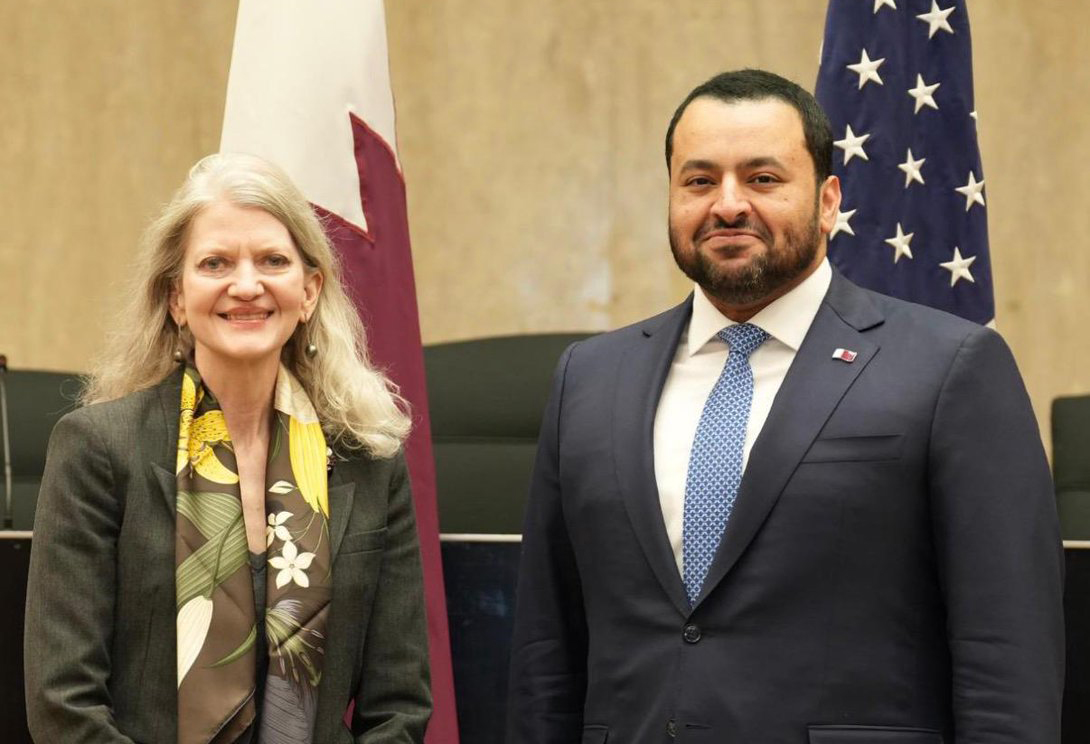
The Qatari delegation was led by Minister of State at the Ministry of Foreign Affairs, Dr. Mohammed bin Abdulaziz Al Khulaifi, while the U.S. side was chaired by Under Secretary of State for Political Affairs, Allison Hooker. The dialogue, which began earlier this week, provides a platform for high-level discussions on a broad range of bilateral and international issues. This latest round of talks highlights the importance both nations place on maintaining open communication channels.
Strengthening Regional Cooperation Through Dialogue
The core of the session involved a detailed exchange of views on several volatile regions. According to a statement released by the Qatari Ministry of Foreign Affairs, the discussions covered recent developments in Gaza, Syria, Lebanon, Iran, the Great Lakes Region, the Sahel Region, Afghanistan, and Latin America. This broad agenda reflects the interconnected nature of global security and the shared interests of Qatar and the U.S. in promoting stability.
Focus on the Middle East
The situation in Gaza was a prominent topic, with both sides likely addressing humanitarian concerns, ceasefire efforts, and potential pathways toward a lasting political resolution. Qatar has played a significant mediating role in the conflict, and the U.S. has consistently called for the protection of civilians and increased aid access. The discussions likely explored ways to enhance these efforts.
Additionally, the dialogue addressed ongoing instability in Syria and Lebanon. Both countries face complex political and economic challenges, and the U.S. and Qatar have historically worked together to support diplomatic solutions and humanitarian assistance. The talks may have focused on strategies to de-escalate tensions and foster inclusive governance in these nations.
Expanding the Scope of Collaboration
Beyond the Middle East, the meeting also covered critical issues in Africa, including the security situation in the Sahel Region and the ongoing conflicts in the Great Lakes Region. The U.S. and Qatar have expressed shared concerns about the rise of extremist groups and the humanitarian consequences of these conflicts. This international security discussion suggests a potential for increased collaboration on counterterrorism initiatives and development aid.
The situation in Afghanistan and developments in Latin America were also on the agenda. While details remain limited, these discussions indicate a willingness to address a diverse range of global challenges through a collaborative framework. The U.S. and Qatar have differing, yet sometimes complementary, approaches to foreign policy, making this dialogue a valuable opportunity to align strategies and identify areas of mutual benefit.
The strategic dialogue between Qatar and the U.S. has been a recurring event since 2015, serving as a key mechanism for strengthening bilateral ties and addressing shared security concerns. This ongoing engagement is particularly important given the evolving geopolitical landscape and the increasing complexity of global challenges. The relationship between the two countries has seen periods of strain, but the continuation of these talks demonstrates a commitment to maintaining a constructive partnership, especially regarding diplomatic relations.
The U.S. views Qatar as a vital partner in the region, particularly in areas such as counterterrorism, energy security, and mediation. Qatar, in turn, relies on the U.S. for security guarantees and economic cooperation. This mutual dependence underscores the importance of continued dialogue and collaboration. The talks also likely touched upon economic partnerships and investment opportunities, furthering the bilateral ties between the two nations.
Looking ahead, the outcomes of this seventh strategic dialogue will likely inform future policy decisions and collaborative initiatives. While specific agreements or commitments were not immediately announced, officials from both sides are expected to continue working on areas of mutual interest. Further details regarding specific outcomes and follow-up actions are anticipated in the coming weeks, and observers will be watching for any concrete steps taken to address the challenges discussed. The next scheduled dialogue is expected to take place in Doha in 2024, though the exact timing remains to be confirmed.