
Doha, Qatar – Qatar has released a comprehensive new publication, “Environmental Sustainability in Qatar 2025,” detailing the nation’s achievements in environmental sustainability and outlining its ambitious plans for a greener future. The book, launched by the Ministry of Environment and Climate Change, serves as a record of Qatar’s commitment to balancing economic development with ecological preservation. The launch event, sponsored by HE Minister Abdullah bin Abdulaziz bin Turki Al Subaie, included a conference focused on key areas of sustainable growth.
The publication arrives as Qatar continues to implement its Third National Development Strategy and the ministry’s 2024-2030 environmental strategy, both of which prioritize environmental governance and long-term climate planning. According to officials, the book is intended to be a resource for both public and private sector stakeholders, showcasing best practices and progress across various sectors.
Qatar’s Commitment to Environmental Sustainability
The core message of “Environmental Sustainability in Qatar 2025” is that sustainability is now a central tenet of national policy. Assistant Undersecretary for Climate Change Affairs, Ahamed Mohammed Al Sada, stated that this principle is actively shaping future policies and projects. This shift reflects a growing global emphasis on climate action and responsible resource management.
Key Areas of Progress
The book highlights significant advancements in several key areas. These include the expansion of clean energy sources, improved air quality monitoring systems, and support for innovative, low-emission technologies. Qatar is also investing in projects related to water management, waste reduction, and the development of green infrastructure.
Additionally, the publication details ongoing conservation efforts focused on both marine and terrestrial wildlife. These initiatives encompass habitat restoration projects, species monitoring programs, and regular coastal clean-up campaigns. Community-led environmental initiatives and research projects aimed at understanding Qatar’s unique ecosystems are also featured.
Urban Development and Green Initiatives
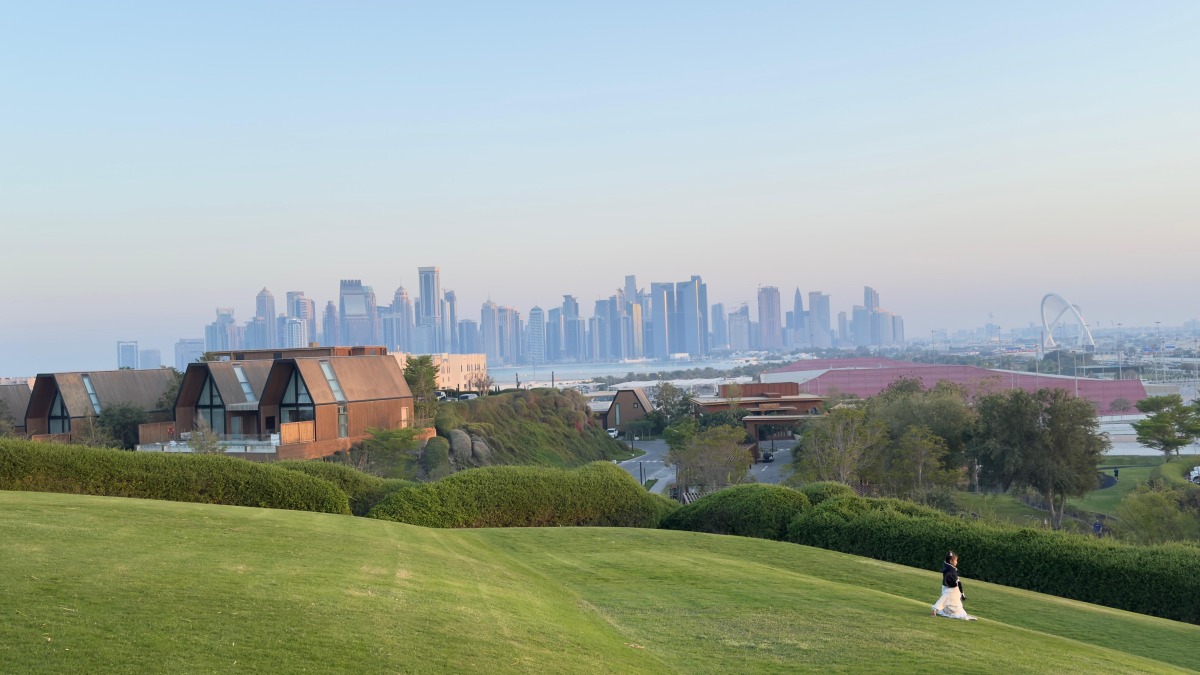
Urban sustainability is a major focus, with case studies illustrating the expansion of green spaces and the modernization of public parks. The report also details the adoption of green building standards and the integration of sustainable transportation options, such as public transit, electric vehicles, and dedicated cycling networks, into urban planning. These efforts aim to improve the quality of life for residents while minimizing environmental impact.
Meanwhile, Qatar’s engagement in international climate agreements and its role in hosting environmental conferences are also documented. The country is actively providing climate finance and resilience assistance to developing nations, demonstrating a commitment to global cooperation on climate change. This international collaboration is seen as crucial for addressing the shared challenges of a changing climate.
The ministry emphasized that the publication is not merely a record of past achievements, but a roadmap for future action. It reflects Qatar’s dedication to a development model that prioritizes the preservation of natural resources alongside economic growth. This approach is aligned with the objectives of Qatar National Vision 2030, which aims to ensure long-term environmental security for future generations.
The launch event also featured a conference addressing sustainable transport, green real estate, and the role of financial institutions in supporting a green economy. Officials indicated that the discussions generated valuable recommendations to further refine the country’s sustainability goals. The development of a robust green finance sector is considered essential for scaling up sustainable projects.
Looking ahead, the Ministry of Environment and Climate Change is expected to continue monitoring and evaluating the implementation of the strategies outlined in the book. The success of these initiatives will depend on continued investment, technological innovation, and collaboration between government, industry, and the community. Further details on specific project timelines and performance indicators are anticipated in future reports, with the next comprehensive assessment likely to occur in 2030.
Source: The Peninsula Qatar
Ministry of Environment and Climate Change
Qatar National Vision 2030