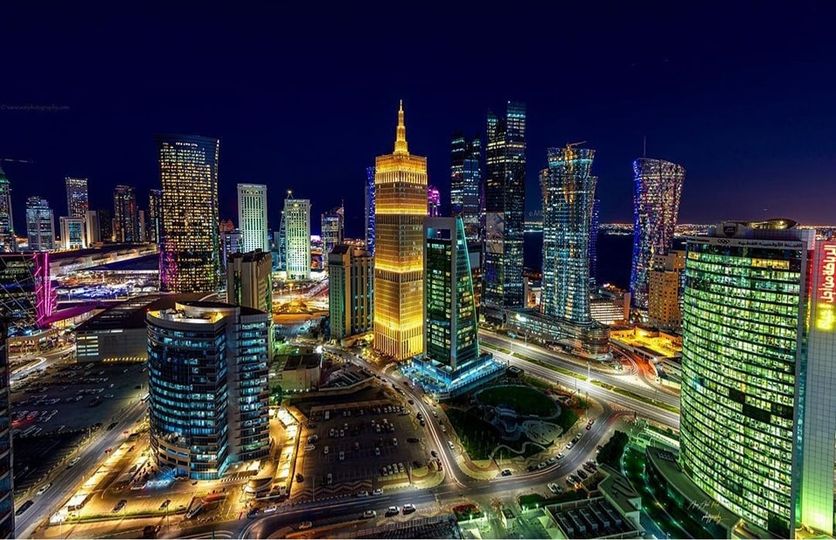

Qatar’s tourism sector demonstrated robust growth in 2025, with visitor arrivals reaching 5.1 million, a 3.7 percent increase from the previous year. This performance, driven in part by the FIFA Arab Cup Qatar 2025, solidifies Qatar’s position as a growing destination for leisure and business travelers. Qatar Tourism and Visit Qatar reported strong gains across key metrics, signaling continued strategic momentum in the country’s efforts to diversify its economy and attract international visitors. The success highlights the impact of strategic partnerships and a focus on year-round events.
The country welcomed 674,000 visitors in December alone, a nearly 16 percent jump year-over-year, according to official data. This surge is directly linked to the hosting of major international events, showcasing Qatar’s ability to manage large-scale tourism initiatives. The overall increase in visitor numbers underscores the effectiveness of Qatar’s tourism strategy.
Strong Performance in Qatar Tourism for 2025
The hospitality sector experienced significant gains, with 10.8 million room nights sold, an 8.6 percent increase compared to 2024. Total accommodation revenue reached QR 8.3 billion, representing a 12 percent year-on-year increase, demonstrating a higher spend per visitor. This growth suggests increasing demand for quality accommodation and a willingness among tourists to invest in their travel experiences.
Key Drivers of Growth
Qatar Tourism attributes the positive results to a multifaceted approach encompassing marketing, partnerships, and event hosting. More than 35 global strategic partnerships were activated throughout the year, supported by over 95 integrated marketing campaigns targeting 19 international markets. These collaborations aim to enhance Qatar’s visibility and appeal to a wider audience.
The Qatar Calendar featured over 600 events, catering to diverse interests and attracting both domestic and international attendees. Additionally, the Meetings, Incentives, Conferences, and Exhibitions (MICE) sector proved particularly strong, welcoming over one million international business visitors. The country also secured bids to host 14 international events scheduled for 2026 and 2027, further bolstering its reputation as a premier business travel destination.
Doha’s designation as the GCC Tourism Capital for 2026 is expected to further elevate the city’s profile and attract even more visitors. This recognition from the Gulf Cooperation Council highlights Qatar’s leadership in regional tourism development. The initiative will likely involve a series of promotional activities and infrastructure improvements to enhance the visitor experience.
Service quality remained a central focus, with the launch of the “Taste of Qatar” program. This initiative involved inspecting approximately 800 restaurants nationwide, with around 150 receiving a 3-Star certification. The continued expansion of the MICHELIN Guide Doha also reflects a commitment to culinary excellence and attracting discerning travelers.
Workforce development initiatives continued to expand, with over 55,600 completing the Qatar Host program and 13,000 the Qatar Specialist program since 2022. These programs aim to equip the local workforce with the skills and knowledge necessary to deliver exceptional service to tourists. Investing in human capital is crucial for sustaining long-term growth in the tourism sector.
Digital infrastructure played a vital role in supporting the influx of visitors, particularly during the FIFA Arab Cup. The Hayya platform processed nearly one million e-visa applications and facilitated over 1.1 million ticket scans without any critical disruptions. This demonstrates the effectiveness of Qatar’s digital solutions in managing large-scale events and ensuring a seamless experience for travelers. The platform’s success is a key component of Qatar’s tourism strategy.
Cruise tourism is also gaining momentum, with 72 cruise calls scheduled for the 2025-2026 season. This represents a significant increase in capacity and reflects Qatar’s growing appeal as a cruise destination. The development of cruise infrastructure is a key priority for Qatar Tourism.
Looking ahead, Qatar Tourism and Visit Qatar are focused on building towards 2026 with an emphasis on sustainable growth, service excellence, and maximizing long-term economic value, aligning with the goals of Qatar National Vision 2030. The success of the MICE sector and the continued development of cultural and leisure offerings will be crucial. Monitoring the impact of the GCC Tourism Capital designation and adapting to evolving global travel trends will also be key to maintaining momentum in the Qatar tourism sector.