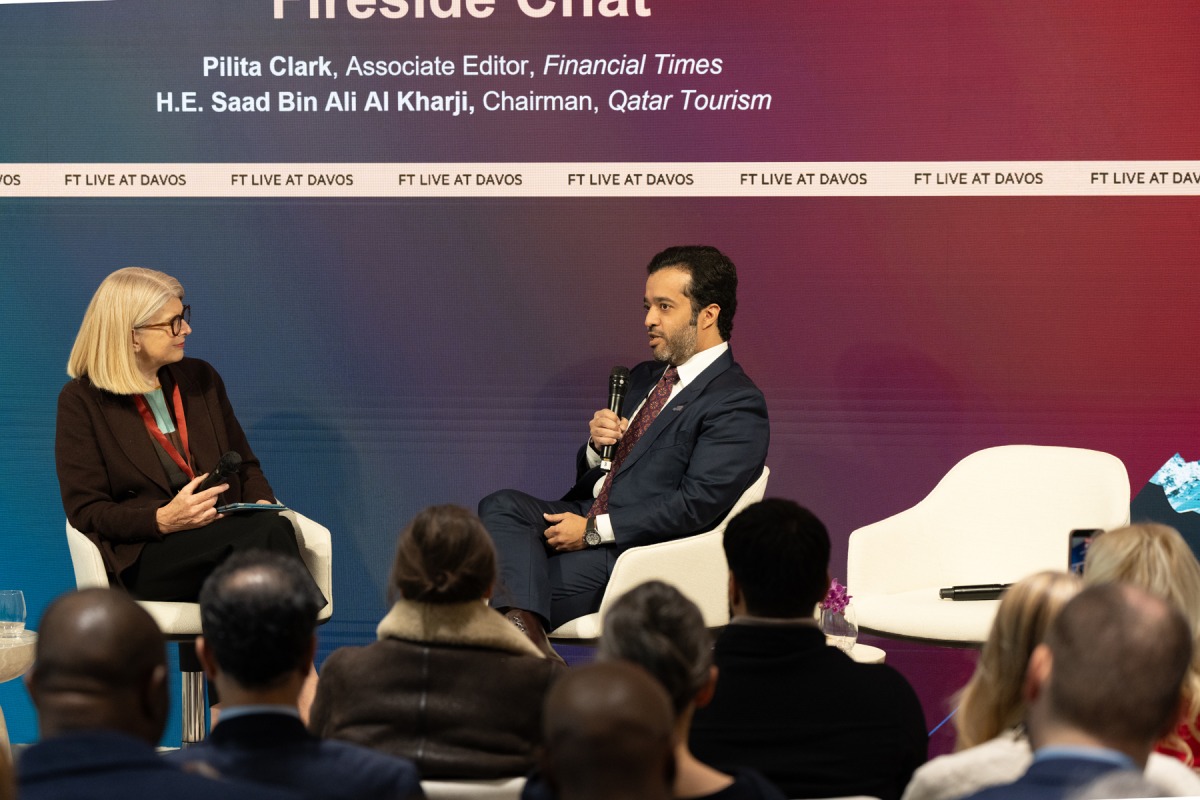

Doha, Qatar – Chairman of Qatar Tourism, H.E. Saad bin Ali Al Kharji, participated in discussions at the World Economic Forum Annual Meeting 2024 in Davos, Switzerland, focusing on the future of global tourism and its impact on economic and social progress. The event, held this week, saw Al Kharji engage with industry leaders and policymakers at the Invest Qatar Pavilion. His participation underscores Qatar’s commitment to strengthening its position as a leading destination and a key player in the international tourism sector.
The discussions centered on the evolving role of travel in a rapidly changing world, with a particular emphasis on fostering international cooperation and sustainable development. Al Kharji’s presence at the forum highlights Qatar’s proactive approach to navigating the challenges and opportunities presented by the current global landscape. The meeting took place January 15-19, 2024, bringing together global leaders from business, government, and civil society.
The Growing Importance of Global Tourism
Al Kharji emphasized that global tourism continues to be a crucial driver of collaboration, openness, and innovation, even amidst geopolitical and economic uncertainties. He stated that tourism facilitates connectivity, cultural exchange, and sustainable growth, acting as a powerful enabler in an increasingly interconnected world. This perspective aligns with broader industry trends recognizing tourism’s significant contribution to national economies and international relations.
According to the World Travel & Tourism Council, the travel and tourism sector contributed 8.8 trillion USD to the global economy in 2023. This represents a substantial portion of global GDP and employment, demonstrating the sector’s economic weight. However, the industry also faces challenges related to sustainability and equitable distribution of benefits.
Qatar’s Vision for Sustainable Tourism
Qatar’s approach to tourism development is built on a long-term vision that prioritizes strategic partnerships, digital transformation, and sustainable practices. Al Kharji highlighted the nation’s commitment to diversifying its economy and leveraging innovation to create meaningful experiences for visitors. This strategy is in line with Qatar’s National Vision 2030, which aims to transform the country into a knowledge-based economy.
Additionally, Qatar has been investing heavily in infrastructure, including its award-winning Hamad International Airport and a growing network of hotels and resorts. These investments are designed to enhance the visitor experience and attract a wider range of travelers. The country is also focusing on developing niche tourism segments, such as cultural tourism, sports tourism, and eco-tourism.
Meanwhile, Qatar is actively promoting responsible tourism practices, including reducing its carbon footprint and supporting local communities. The country has implemented various initiatives to conserve water and energy, and to promote sustainable transportation options. These efforts are aimed at minimizing the environmental impact of tourism and ensuring its long-term viability.
Economic Diversification and Global Engagement
Qatar views tourism as a key component of its economic diversification strategy, reducing its reliance on hydrocarbons. The country is actively seeking to attract foreign investment in the tourism sector and to develop new tourism products and services. This diversification is crucial for ensuring Qatar’s long-term economic stability and resilience.
In contrast to some destinations heavily reliant on mass tourism, Qatar is focusing on attracting high-value travelers who contribute more to the local economy. This approach involves offering unique and personalized experiences, and targeting specific market segments. The country is also leveraging its cultural heritage and natural attractions to differentiate itself from other destinations. Visit Qatar provides further information on these initiatives.
The discussions in Davos also touched upon the role of technology in shaping the future of travel. Digital transformation is seen as essential for enhancing the visitor experience, improving operational efficiency, and promoting sustainable tourism practices. Qatar is investing in technologies such as artificial intelligence, big data analytics, and the Internet of Things to drive innovation in the tourism sector. The World Economic Forum regularly publishes reports on technology trends in travel.
Looking ahead, Qatar Tourism is expected to continue implementing its long-term vision for tourism development, with a focus on sustainability, innovation, and economic diversification. The success of these efforts will depend on Qatar’s ability to adapt to changing market conditions and to maintain its competitive edge in the global tourism landscape. Monitoring visitor arrival numbers and economic impact assessments will be key indicators of progress in the coming years.