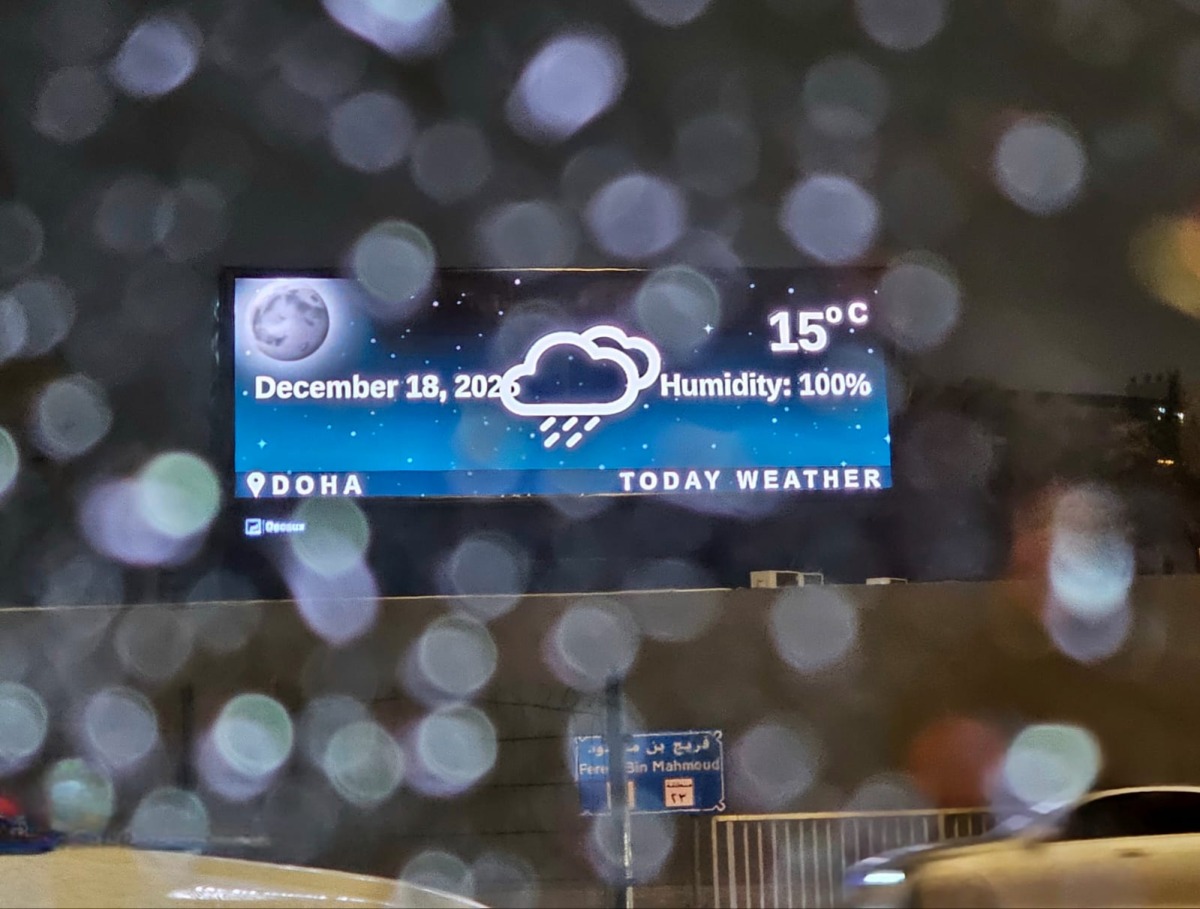

Qatar is bracing for a significant temperature drop as a low-pressure system continues to move across the country, bringing with it rainfall, strong winds, and even hail. The Ministry of Environment and Climate Change, through its Meteorology Department, forecasts these conditions will persist until late Thursday night, impacting daily life and requiring precautions. The current weather event marks a notable shift towards winter conditions in the region.
The effects are being felt across Qatar, including in Doha, where rainfall and wind have been reported throughout the day. The Meteorology Department advises residents to stay informed about updates and take necessary safety measures. Director Abdulla Mohammed Al Mannai stated the strongest impacts from the system are expected within the next 24 hours.
Understanding the Current Weather in Qatar
According to the Meteorology Department, the prevailing weather is due to a combination of factors. A deep low-pressure system is interacting with an influx of cold air originating from the polar regions in the upper atmosphere. This instability, coupled with dry air in the mid-levels of the atmosphere, has created conditions conducive to the formation of intense thunderstorms and localized hail.
How the System Developed
Meteorologists had been tracking this system for several days, predicting its arrival and potential impact. The intensity of the rainfall and the development of hail were anticipated given the specific atmospheric conditions observed. The interaction between the cold air mass and warmer, moist air over the Arabian Peninsula fueled the storm’s development. This is a typical weather pattern for Qatar as it transitions into the winter season.
Initial reports described varying rainfall intensities across the country, with some areas experiencing heavier downpours than others. Visibility has been reduced in certain locations due to the strong winds and rain, potentially impacting transportation. Authorities have urged drivers to exercise caution and reduce speed on roadways.
The system’s arrival also comes during a period of typically mild weather in Qatar. However, it is not unusual for the country to experience such fluctuations as seasonal transitions take place. This particular system is considered the first significant low-pressure event of the season and is exhibiting pronounced winter characteristics.
While Qatar is accustomed to hot summers and mild winters, recent years have seen an increase in extreme weather events in the region. Experts attribute this to broader climate change patterns, which are impacting weather systems globally. Understanding these shifts is crucial for effective disaster preparedness and mitigation.
Following the passage of the low-pressure system, a shift in wind direction to north-westerly is expected. This change will usher in noticeably cooler temperatures across Qatar over the next three days. Forecasts indicate a substantial decrease in daytime highs and nighttime lows, bringing more typical winter conditions to the peninsula. The change in wind direction is a key factor in the cooling trend.
The Ministry of Environment and Climate Change continues to closely monitor the evolving weather situation. Further updates and detailed forecasts will be provided through official channels, including the ministry’s website and social media platforms. Residents are encouraged to stay informed about the latest developments and follow any guidance issued by authorities. The immediate future will see gradual improvements in weather conditions.
Looking ahead, the remaining days of the week are predicted to be significantly cooler with clear skies. Determining the precise extent and duration of the temperature drop will depend on the strength and trajectory of the north-westerly winds. Monitoring these factors is essential for accurate long-range weather planning.