



Doha, Qatar – The State of Qatar is hosting the 11th session of the Conference of the States Parties to the United Nations Convention against Corruption, a pivotal international event aimed at strengthening global efforts to combat illicit financial flows and promote transparency. The conference, taking place from December 15th to 19th, will gather representatives from 192 signatory nations to assess progress and address ongoing challenges in the fight against corruption. This marks the second time Qatar has hosted the conference, following its previous role in 2009.
The event, held under the auspices of the Administrative Control and Transparency Authority, anticipates over 2,500 participants, including heads of state, government ministers, and leaders from law enforcement, anti-corruption agencies, and international organizations. Discussions will focus on legal frameworks, enforcement mechanisms, and international cooperation necessary to effectively tackle corruption worldwide.
Qatar Hosts Key UN Convention Against Corruption Conference
The United Nations Convention against Corruption (UNCAC) is the only universally ratified legal framework for combating this global issue, according to the United Nations Office on Drugs and Crime (UNODC). It provides a comprehensive approach, obligating states parties to prevent and criminalize a wide range of corrupt practices. The convention’s broad scope and mandatory provisions distinguish it as a crucial tool in international efforts to foster integrity and accountability.
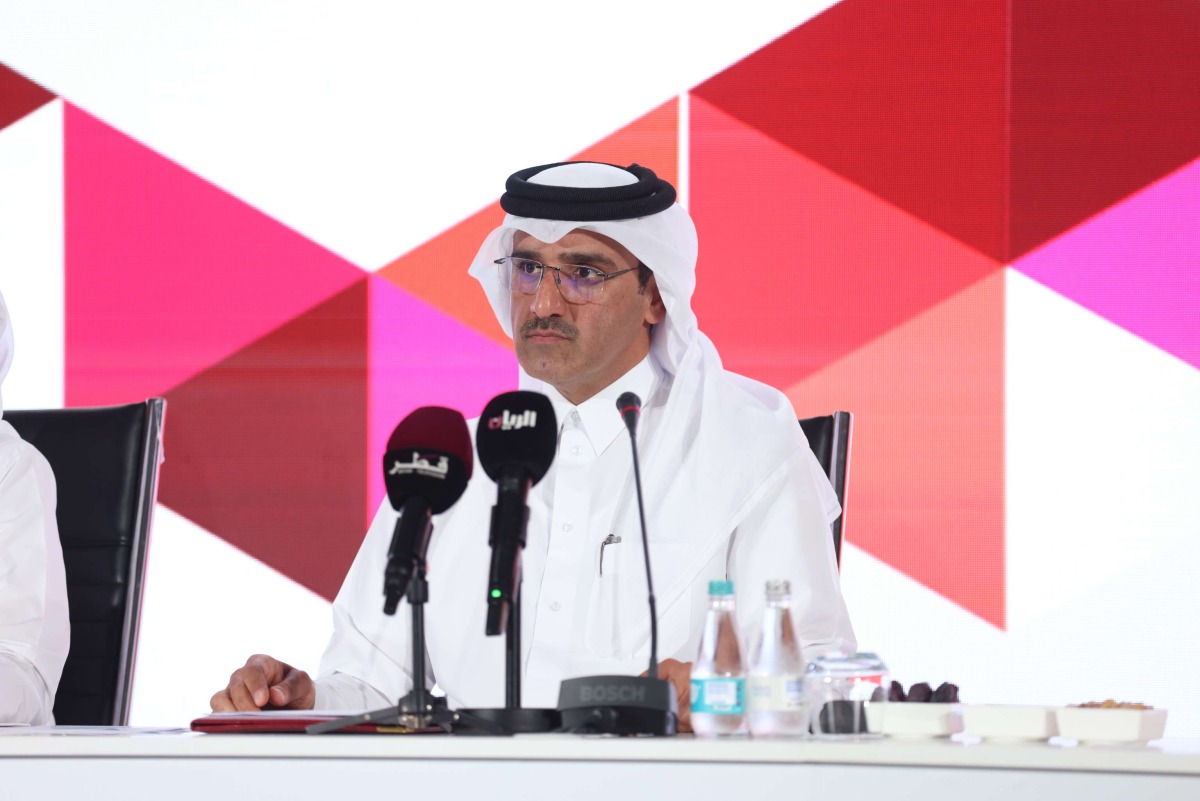
President of the Administrative Control and Transparency Authority, H.E. Hamad bin Nasser Al Misnad, emphasized the significance of the conference during a recent press briefing. He stated that the event provides a vital platform for reviewing implementation progress and identifying areas where further action is needed. The conference’s focus extends beyond governmental bodies to include the private sector, civil society organizations, and youth representatives.
Key Areas of Discussion
The conference agenda is structured around the five core pillars of the UNCAC: preventative measures, criminalization and law enforcement, international cooperation, asset recovery, and technical assistance. These areas represent a holistic strategy for addressing corruption at all levels.
Discussions on preventative measures will likely explore best practices in public administration, procurement processes, and financial disclosure systems. The criminalization aspect will focus on harmonizing national laws to effectively prosecute various forms of corruption, including bribery, abuse of power, and illicit enrichment.
International cooperation is essential for tracking down and recovering stolen assets hidden across borders. This aspect of the conference will address challenges in extradition, mutual legal assistance, and the enforcement of foreign judgments. Asset recovery remains a particularly complex issue, often hindered by legal obstacles and a lack of political will.
Furthermore, the conference will address corruption within the private sector, a growing concern globally. This includes issues like corporate fraud, money laundering, and the lack of transparency in business dealings. The role of beneficial ownership transparency and the fight against financial crime will also be prominent themes. Relatedly, discussions around financial transparency are expected to be robust.
The increasing use of technology in facilitating corruption is another emerging challenge. Experts will likely discuss the need for enhanced cybersecurity measures and the development of innovative tools to detect and prevent online fraud and bribery. The conference will also likely touch upon the importance of good governance in mitigating these risks.
Participants will review national reports submitted by member states detailing their implementation of the UNCAC. These reports provide a valuable opportunity to assess progress, identify gaps, and share lessons learned. The conference will also serve as a forum for side events and workshops, allowing for more in-depth discussions on specific topics.
Following the conference, Qatar will be expected to issue a summary of the key outcomes and recommendations. The UNODC will then oversee the implementation of these recommendations by member states. The effectiveness of the conference will ultimately be measured by the tangible progress made in combating corruption and promoting integrity on a global scale. The next review cycle for national implementation reports is scheduled for 2026, providing a clear deadline for action.
The long-term impact of the conference remains to be seen, particularly in light of ongoing geopolitical challenges and the increasing sophistication of corrupt practices. However, the event represents a crucial opportunity to reaffirm the international community’s commitment to fighting corruption and building a more just and equitable world.