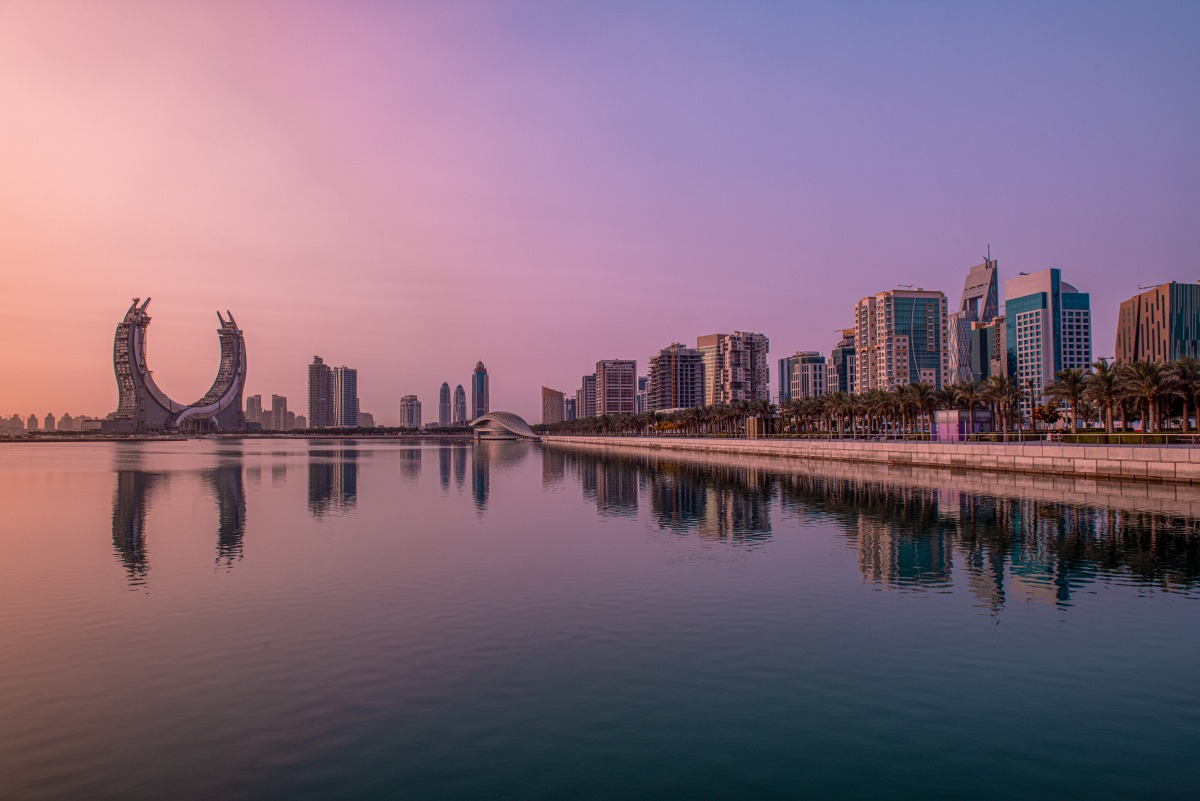

Qatar’s tourism sector is experiencing robust growth, driven by strategic investments in infrastructure, a diversified events calendar, and streamlined travel policies. A recent analysis by Mordor Intelligence projects continued expansion through 2026, solidifying the industry as a key pillar of Qatar’s economic diversification efforts. The country is increasingly attracting visitors from around the globe, moving beyond its traditional reliance on regional markets.
Qatar Tourism on Track for Continued Growth
The positive trajectory of Qatar’s tourism industry continued into 2025, with the country welcoming over 2.6 million international visitors in the first half of the year, a 3 percent increase compared to the same period in 2024, according to the Ministry of Tourism. This growth is attributed to a combination of factors, including improved flight connectivity and a more appealing range of experiences for travelers. Industry experts suggest that the success builds on policy reforms implemented in recent years.
Key Drivers of Visitor Increase
Strong demand from Gulf Cooperation Council (GCC) countries remains a significant component of Qatar’s visitor base. However, the report indicates a notable increase in tourists from long-haul markets like Europe, China, and Australia, demonstrating a broadening appeal. This diversification is crucial for sustainable growth and reducing vulnerability to regional economic fluctuations.
Enhanced air connectivity, facilitated by Qatar Airways and agreements with other airlines, has played a vital role in accessibility. Simpler visa processes have also contributed to the increase in arrivals, making it easier for potential visitors to plan and execute their trips. Better coordination between airlines, hotels, and tour operators has further streamlined the travel experience.
Challenges and Opportunities in Qatar’s Travel Market
Despite the positive outlook, Qatar’s tourism sector faces ongoing challenges. Seasonality remains a key concern, with peak periods like Eid al-Fitr experiencing significantly higher arrival rates than other times of the year. Ali Thabet, General Manager of Milano Travels and Tours, emphasized the need for a more evenly distributed events calendar to mitigate these fluctuations.
Price sensitivity is another factor. High travel and accommodation costs can deter budget-conscious travelers and limit the length of stays. While Qatar has expanded its hotel capacity to approximately 41,000 rooms, peak demand still strains availability, potentially impacting visitor satisfaction. Maintaining competitive pricing is therefore essential.
Furthermore, sustaining growth requires a focus on service quality. Positive visitor experiences are critical for encouraging repeat visits and generating positive word-of-mouth marketing. Qatar is actively working to enhance the overall visitor experience, recognizing that this is as important as attracting new tourists.
Authorities are prioritizing strategies to balance capacity with demand, maintain competitive pricing, and elevate the quality of services offered to tourists. These efforts aim to reduce reliance on single peak periods and foster a more sustainable and resilient tourism industry. Investment in hospitality and cultural attractions is also ongoing.
Looking ahead, Qatar is poised to continue building on its recent momentum. The country aims to further diversify its event offerings, strengthen its infrastructure, and enhance its appeal to a wider range of travelers. The success of these initiatives will depend on continued investment and effective management of the challenges related to seasonality and cost. Monitoring visitor arrival numbers throughout 2026, particularly from emerging markets, will be crucial to assess the long-term impact of these strategies.
The next major indicator of the sector’s health will be the full-year visitor statistics for 2026, expected to be released by the Ministry of Tourism in early 2027. These figures will provide a clearer picture of whether Qatar is successfully achieving its goals for sustainable tourism growth and economic diversification.