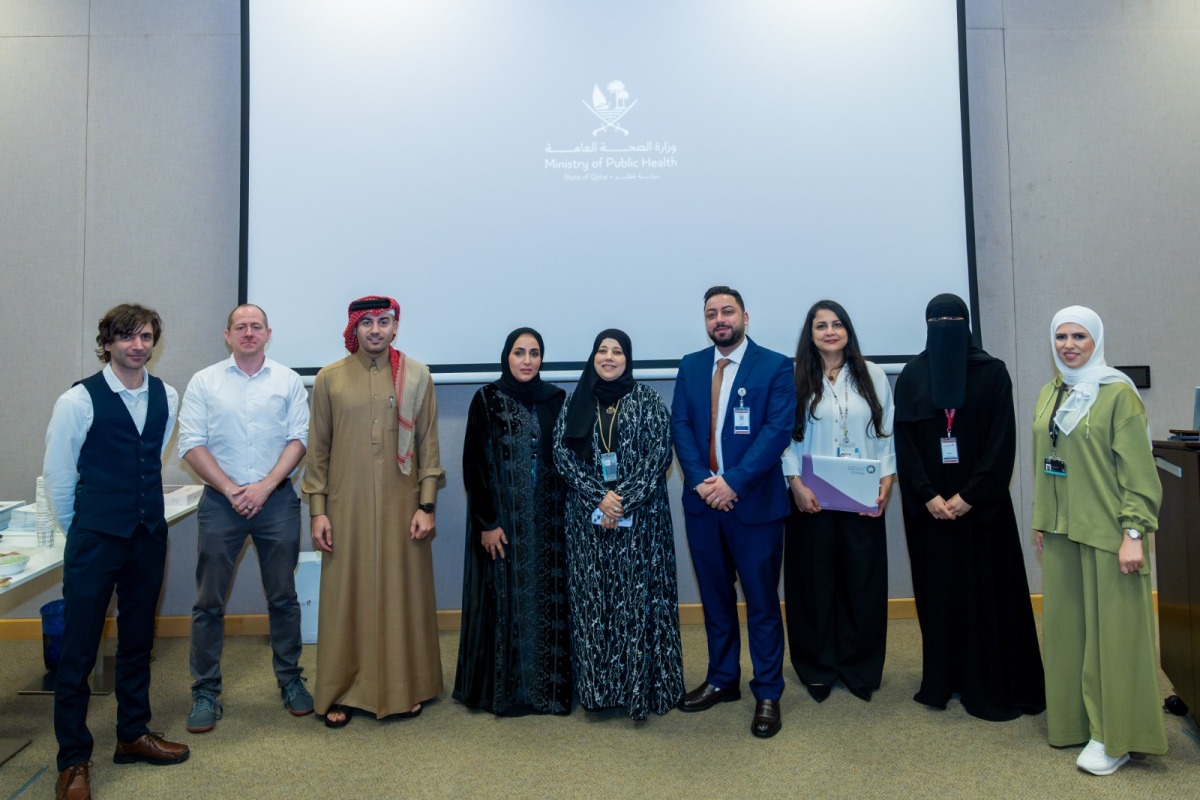

Qatar’s Ministry of Public Health is increasing its focus on the health and wellbeing of individuals with autism spectrum disorder (ASD), launching initiatives aimed at addressing specific health challenges within this population. Recent efforts include a workshop for parents centered on nutrition and weight management for children with ASD. This move aligns with both the National Health Strategy 2024-2030 and the broader goals of Qatar National Vision 2030, which prioritize the health of individuals and families.
The workshop, held in Doha and organized in collaboration with Hamad Medical Corporation and Renad Academy at Qatar Foundation, took place earlier this month. It sought to equip parents with the knowledge and tools to navigate the unique dietary needs and potential difficulties faced by children diagnosed with ASD. The initiative underscores a growing international recognition of the link between diet, lifestyle, and overall health outcomes for people on the autism spectrum.
Addressing Nutritional Challenges in Autism Spectrum Disorder
Children with autism spectrum disorder often exhibit selective eating habits, sensory sensitivities to food textures and tastes, and gastrointestinal issues. These factors can contribute to nutritional deficiencies and an increased risk of obesity, according to the Ministry of Public Health. The workshop specifically addressed these challenges, offering practical strategies for parents to implement at home.
Focus on Balanced Diets and Physical Activity
Participants learned about the importance of a balanced diet rich in essential nutrients. Sessions emphasized incorporating a variety of food groups while accommodating individual preferences and sensitivities. Additionally, the workshop highlighted the role of regular physical activity in maintaining a healthy weight and improving overall wellbeing, a factor often overlooked in discussions surrounding neurodevelopmental disorders.
The Ministry of Public Health stated that the workshop wasn’t simply about restricting certain foods, but rather about fostering positive relationships with food and creating sustainable healthy habits. Guidance was provided on meal planning, portion control, and strategies for introducing new foods in a safe and supportive manner. Experts also discussed how to collaborate with healthcare professionals, such as dietitians and pediatricians, to develop individualized nutrition plans.
This initiative builds upon existing support services for individuals with ASD in Qatar. Renad Academy, for example, provides specialized educational and therapeutic programs designed to meet the unique needs of children and young adults with autism. Hamad Medical Corporation offers a range of medical and rehabilitation services, including behavioral therapy and speech-language pathology. The integration of nutritional support into this existing framework represents a holistic approach to care.
The prevalence of ASD is a growing global concern. The World Health Organization estimates that approximately 1 in 100 children worldwide are affected by autism. Early diagnosis and intervention, coupled with ongoing support, are crucial for maximizing the potential of individuals with ASD and improving their quality of life. Qatar’s commitment to these principles is reflected in its national health strategies.
Looking ahead, the Ministry of Public Health plans to expand these types of workshops and develop additional resources for families affected by autism. Future initiatives may focus on training healthcare professionals to better understand and address the specific health needs of individuals with ASD. The long-term impact of these programs will depend on sustained funding and ongoing evaluation of their effectiveness, as well as continued research into the complex interplay between autism and health.
The Ministry has not yet announced a specific timeline for the rollout of further programs, but indicated that they are prioritizing the implementation of the National Health Strategy 2024-2030. Stakeholders will be watching for concrete details regarding resource allocation and measurable outcomes related to improved health indicators for the ASD population in Qatar.