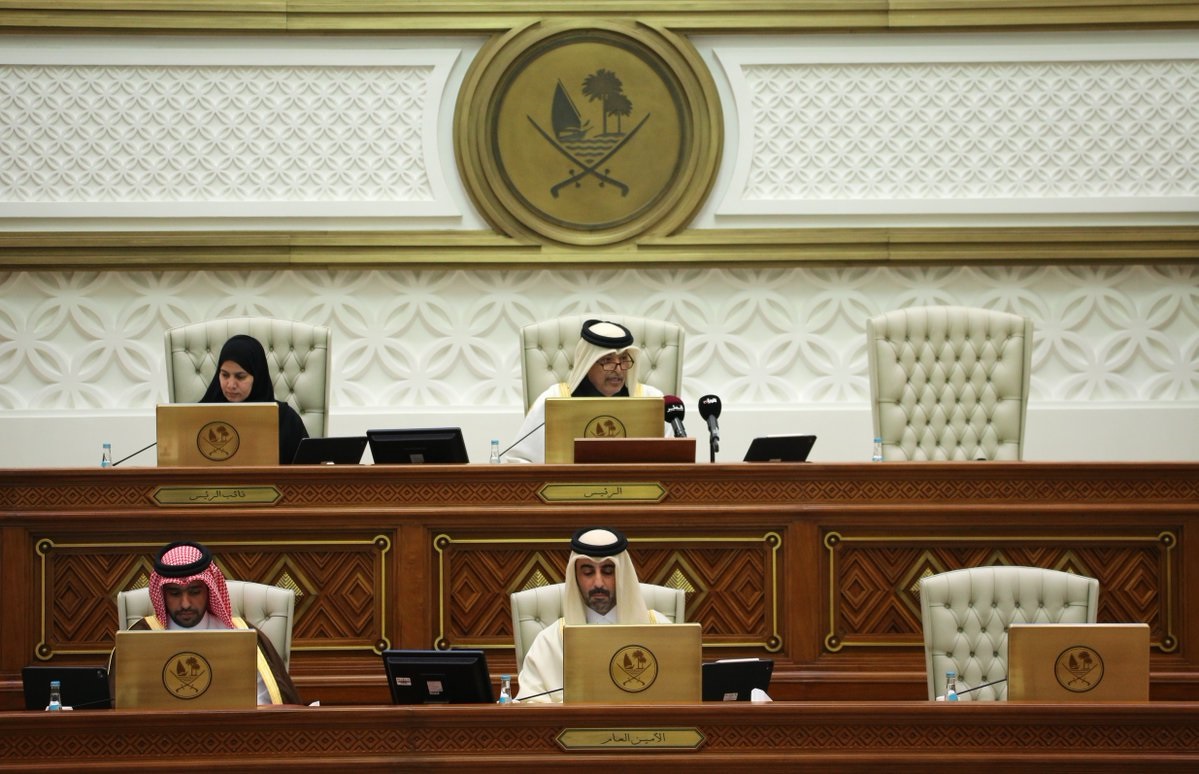

Doha, Qatar – The Shura Council of Qatar convened on Monday to review a series of draft laws and government proposals, including updates to international treaty protocols and regulations concerning pesticide use. The session, chaired by HE the Speaker Hassan bin Abdullah Al Ghanim, focused on key areas of national policy, with significant attention given to a draft law on Qatar’s approach to international agreements. Discussions also encompassed educational initiatives and labor programs for students.
Held at the Council’s headquarters in Tamim bin Hamad Hall, the meeting saw approval of the previous session’s minutes and the forwarding of several items to specialized committees for deeper analysis. These committees will prepare reports for future Council review, contributing to the legislative process within the country. The focus on various legislative aspects underscores the Council’s active role in shaping national policy.
Shura Council Advances Draft Law on International Treaties and Agreements in Qatar
One of the primary items on the agenda was a draft law pertaining to international treaties and agreements. The Council opted to refer this legislation to the Internal and External Affairs Committee for comprehensive study. According to sources, this move signals the importance Qatar places on a well-defined and strategically aligned approach to its international commitments.
This draft law is believed to be aimed at streamlining the process of ratifying and implementing treaties, ensuring consistency with national laws and priorities. Strengthening the legal framework around international cooperation could potentially benefit Qatar’s economic diversification efforts and its increasing role on the global stage.
Amendments to Pesticide Regulations
Additionally, the Council approved a draft law amending aspects of Law No. 24 of 2010, which regulates pesticides within the Gulf Cooperation Council (GCC). The decision followed a detailed review by the Health, General Services and Environment Committee.
The amendment aims to align Qatar’s pesticide regulations with evolving scientific standards and best practices within the GCC. This is important for maintaining public health, protecting the environment, and ensuring the safety of agricultural products, particularly as the nation invests in food security initiatives. The amended draft has been sent back to the government for further action.
Promoting National Identity Through Education
Members also addressed a report from the Education, Culture, Sport and Information Committee regarding a proposal concerning the integral role of teachers in fostering national identity. The Council took a decision deemed “appropriate” on the matter, the specifics of which were not immediately disclosed.
The proposal likely focused on curriculum development, teacher training, and educational programs designed to strengthen students’ understanding of Qatari history, culture, and values. Strengthening national identity is a continued priority for Qatar, given its rapidly changing demographics and increasing global integration.
Summer Work Program for Students Under Review
Further discussion centered on a government proposal to establish a summer work program specifically for secondary school students. The Council referred this initiative to the Social Affairs, Labour and Housing Committee.
The proposed program aims to provide valuable work experience for students, fostering skills development and preparing them for future employment opportunities. Such initiatives are often linked to broader workforce development strategies and attempts to diversify the Qatar economy beyond the hydrocarbon sector.
Meanwhile, other governmental statements and proposals are expected to come before the Council in the coming weeks. The timing of any final decisions on these matters is subject to the completion of committee reviews and subsequent Council deliberations. The speed at which these laws move forward will depend on the complexity of the issues involved and the need for further consultation with relevant stakeholders.
Looking ahead, the next session of the Shura Council will likely see the presentation of committee reports on the referred draft laws and proposals. The Council’s legislative agenda indicates a sustained focus on strengthening the legal framework in areas crucial to Qatar’s national development, including international affairs, public health, education, and the labor market. The progress of these initiatives, particularly the international treaties law, warrants continued observation.