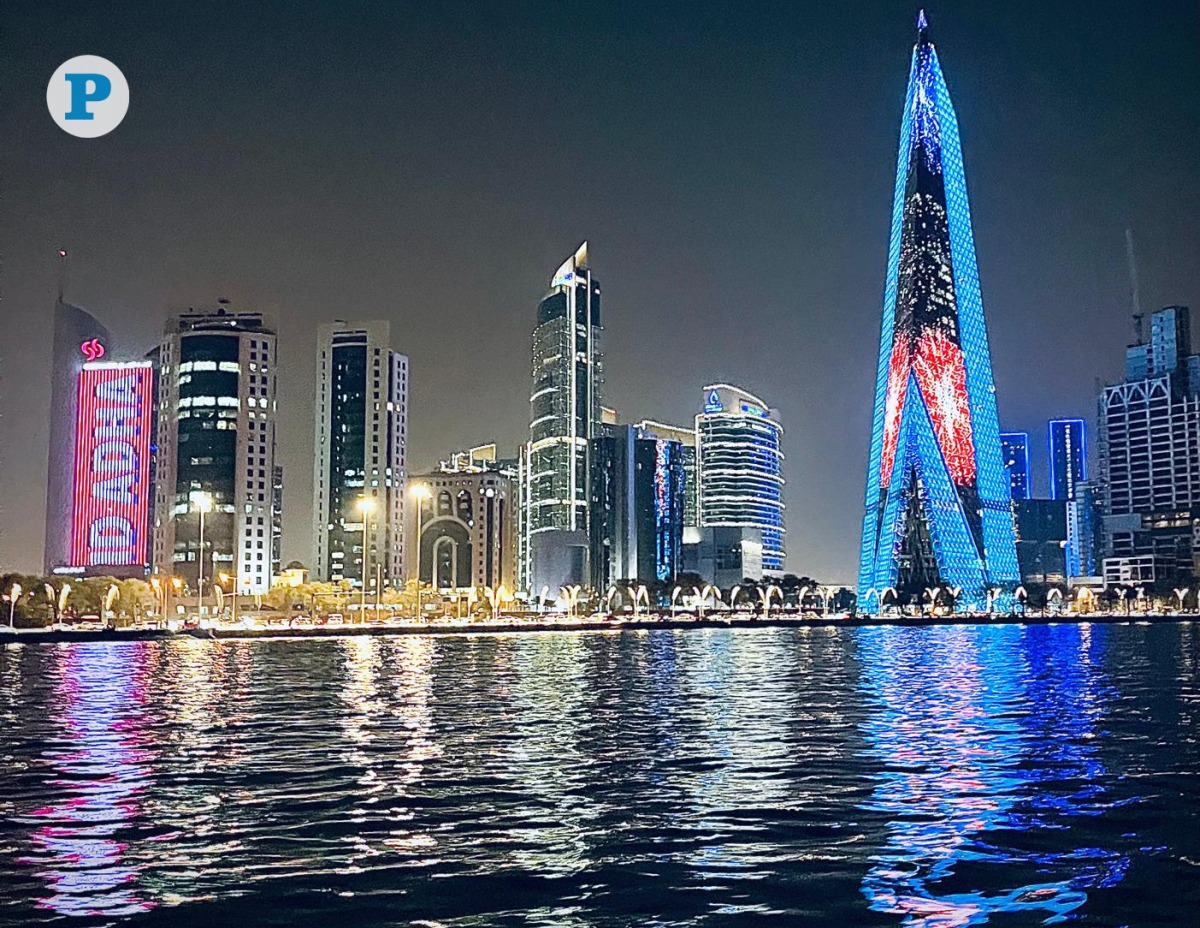

The State of Qatar has been selected to host the 9th Session of the Global Platform for Disaster Risk Reduction (GP2028) in 2028, a pivotal moment for international collaboration on disaster risk reduction. The announcement, made by the United Nations Office for Disaster Risk Reduction (UNDRR) in Geneva, acknowledges Qatar’s increasing capabilities and dedication to global safety initiatives. The event will convene stakeholders from around the world to discuss strategies and advancements in building resilience against disasters.
The GP2028 will be held in Doha, Qatar, and arrive at a crucial time—five years after the mid-term review of the Sendai Framework and two years before its scheduled conclusion in 2030. According to UNDRR, this strategic timing will allow for a focused discussion on shaping the future of disaster preparedness and response. HE Dr. Hind Abdulrahman Al Muftah, Qatar’s Permanent Representative to the United Nations Office in Geneva, expressed the country’s honor and commitment to fostering a more resilient future.
Qatar to Lead Global Disaster Risk Reduction Efforts
Qatar’s selection is largely attributed to its demonstrated vision and capacity for hosting major international events, as well as its proactive support for UN agencies and multilateral cooperation. The country has invested significantly in infrastructure and planning to mitigate local risks and has offered substantial aid to international disaster relief efforts in recent years. This commitment extends beyond financial contributions to encompass knowledge sharing and capacity building.
The Global Platform for Disaster Risk Reduction serves as a key forum for reviewing progress, identifying gaps, and charting a course for reducing disaster impacts globally. It brings together governments, UN agencies, civil society organizations, the private sector, and academia to share best practices and develop innovative solutions. The platform is essential for advancing the goals outlined in the Sendai Framework for Disaster Risk Reduction 2015-2030.
The Significance of the Sendai Framework
The Sendai Framework, adopted in 2015, represents a significant shift in the global approach to disaster risk reduction. It prioritizes the understanding of disaster risk, strengthening disaster risk governance, investing in disaster reduction, enhancing disaster preparedness for effective response, and “Build Back Better” in recovery, rehabilitation, and reconstruction. Its ultimate goal is to substantially reduce disaster mortality and economic losses by 2030.
However, progress toward achieving the Sendai Framework targets has been uneven, and recent years have seen an increase in the frequency and intensity of climate-related disasters. The frequency of extreme weather events and their associated economic costs underscores the urgency of accelerating disaster resilience strategies. The GP2028 offers a crucial opportunity to address these challenges and to reinvigorate commitment to the framework’s objectives.
Focus on Emerging Risks and Future Preparedness
Qatar’s hosting of the GP2028 is expected to place a particular focus on emerging risks, including those related to climate change and rapidly growing urban populations. The country’s own experience with desertification, water scarcity, and coastal vulnerability, coupled with its logistical expertise, positions it as a strong leader in these areas. Climate adaptation and mitigation will likely be central themes of the conference.
Furthermore, the event provides a platform to explore the role of technology and innovation in disaster risk reduction, something Qatar has been actively promoting. Discussions may center around early warning systems, data analytics for risk assessment, and the use of artificial intelligence to improve disaster response capabilities.
Preparations for the GP2028 are expected to begin in earnest over the next year, with Qatar establishing a national organizing committee and consulting with UNDRR and key stakeholders. A detailed agenda and logistical arrangements will be finalized in the coming months, with continued announcements anticipated. The success of the platform will depend on securing broad international participation and fostering a collaborative spirit towards a more resilient world by 2030.