


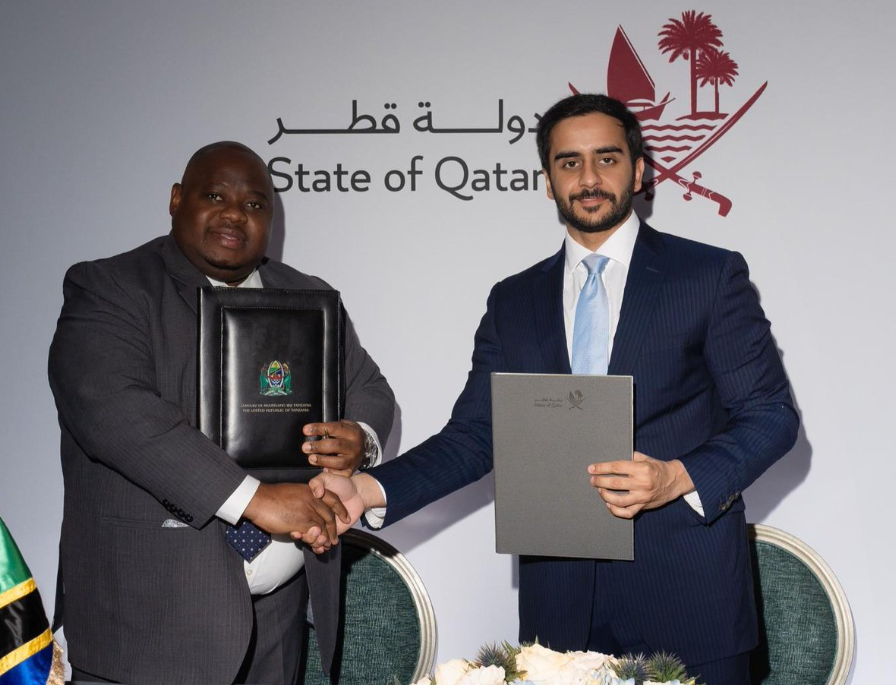

Qatar has strengthened its international maritime ties, signing Memorandums of Understanding (MoU) with Tanzania and Ecuador during the 34th Session of the International Maritime Organization (IMO) Assembly in London. These agreements, announced by the Ministry of Transport, focus on seafarer certification and port cooperation, respectively, aiming to enhance maritime safety, efficiency, and workforce development. The signings highlight Qatar’s growing role in global maritime governance and its commitment to upholding international standards.
Qatar Advances Maritime Cooperation Through New Agreements
The MoU with Tanzania, signed by Eng. Abdulaziz Abdulla Al Sulaiti and HE Mohamed Salum, centers on the mutual recognition of seafarer certifications. This is a crucial step in facilitating the international movement of qualified maritime personnel, according to the Ministry of Transport. The agreement aligns with the provisions of the International Convention on Standards of Training, Certification and Watchkeeping for Seafarers (STCW) and its amendments.
Implications for Seafarers
The mutual recognition streamlines the process for seafarers from both nations to work on vessels registered in either country. This reduces administrative hurdles and ensures compliance with globally recognized training standards. The agreement applies to merchant ships, excluding those covered by Article 3 of the STCW Convention, and respects the individual legal frameworks of Qatar and Tanzania.
Additionally, Qatar formalized collaboration with Ecuador in the field of ports through a separate MoU. This agreement was signed by HE Sheikh Abdulla bin Mohammed bin Saud Al-Thani and HE Luis Ignacio Vayas Valdivieso, Ecuador’s Ambassador to the United Kingdom. The initiative aims to bolster the efficiency of port management and operations.
Focus on Port Development
The MoU between Qatar and Ecuador prioritizes the exchange of expertise, best practices, and innovative ideas related to port infrastructure and operations. It specifically targets advancement in port information technology and the development of a skilled workforce capable of managing modern port facilities. This collaboration reflects a broader trend of nations seeking to optimize their maritime trade infrastructure.
Meanwhile, Qatar’s Minister of Transport, Sheikh Mohammed bin Abdulla bin Mohammed Al-Thani, hosted a reception for the IMO Executive Council. The event, attended by the IMO Secretary-General Arsenio Antonio Dominguez and representatives from numerous member states, served as a platform to reaffirm Qatar’s dedication to maritime security and environmental protection. The Minister expressed gratitude to the IMO for its ongoing work in these areas.
Qatar’s active participation in the IMO Assembly and the signing of these agreements demonstrate a proactive approach to international maritime challenges. Streamlining processes for IMO compliance, including seafarer training, is increasingly important as global trade expands. These moves also contribute to strengthening Qatar’s position as a key logistics hub in the region and advancing its National Vision 2030.
Looking ahead, the focus will be on implementing the provisions outlined in the MoUs. The specific timelines and detailed work plans for both the maritime sector cooperation with Tanzania and the port development collaboration with Ecuador are expected to be established in the coming months. The success of these agreements will depend on ongoing communication and a shared commitment to achieving their objectives, particularly addressing any potential challenges in harmonizing standards and regulations.