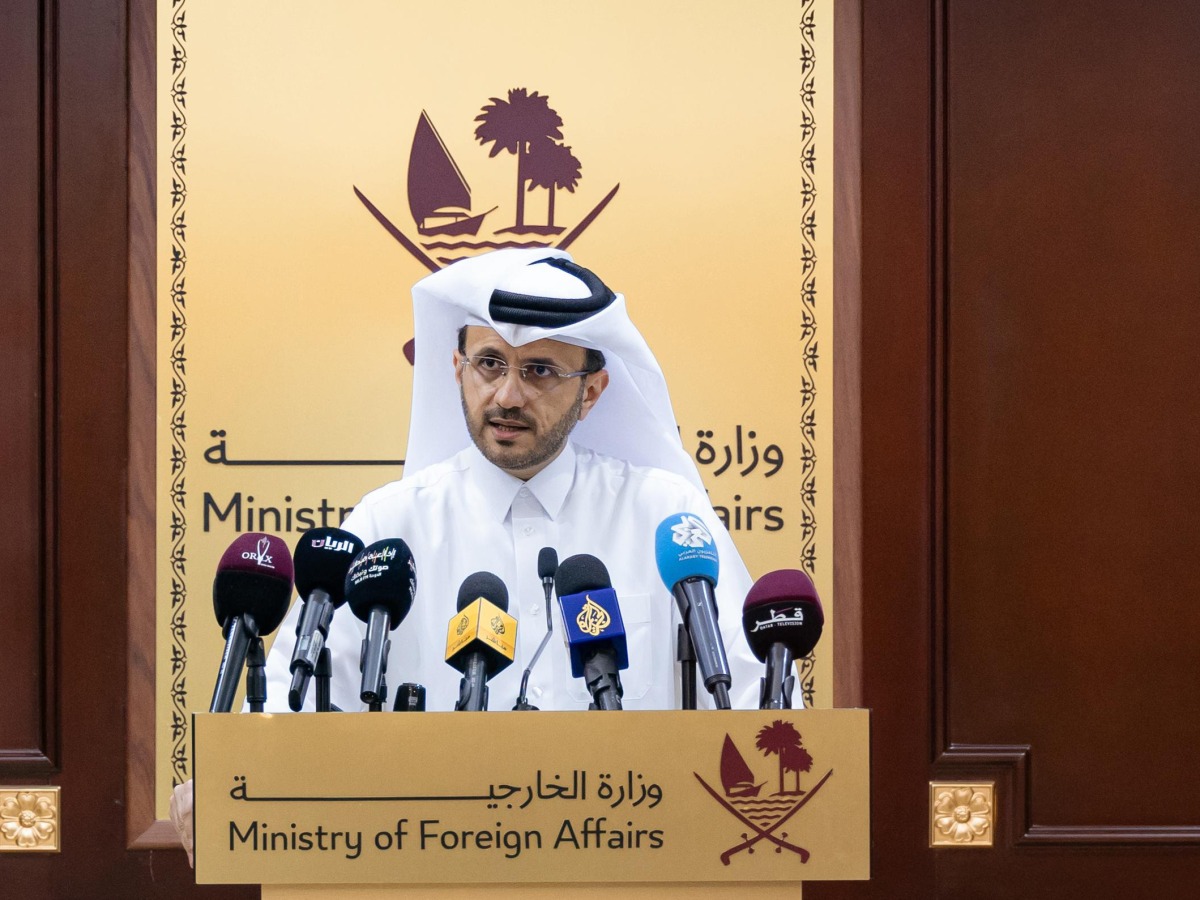

Doha, Qatar – Qatar is urging Israel and Hamas to swiftly move to the second phase of the Gaza peace deal, following a period of relative calm achieved through mediation efforts. Advisor to the Prime Minister and Official Spokesperson for the Ministry of Foreign Affairs Dr. Majed bin Mohammed Al Ansari expressed optimism that negotiations can overcome current obstacles and progress towards a more sustainable resolution in the Palestinian territory. The push comes after a truce brokered in October largely halted two years of fighting.
The initial phase of the agreement focused on the release of hostages held by Hamas. While significant progress was made, the return of all captives, particularly the remains of those killed, has proven challenging. According to Qatari officials, logistical difficulties and ongoing conflict in Gaza are contributing factors slowing the process.
Progressing the Gaza Peace Deal: Obstacles and Opportunities
The current sticking points involve the retrieval of the bodies of two Israeli hostages, Ran Gvili and Sudthisak Rinthalak, who were not among those initially released. Hamas attributes the delays to the extensive rubble resulting from years of conflict, making locating and recovering the remains incredibly difficult.
However, Dr. Al Ansari emphasized that the return of the remains should not be a precondition to advancing to the next stage of the agreement. Qatar, alongside the United States and Egypt, played a crucial role in securing the initial truce and remains committed to fostering a lasting peace. The perceived complexities surrounding this issue are impacting the overall timeline for a broader settlement.
Details of Phase Two
The second phase of the Gaza peace plan, endorsed by the United Nations in November, outlines a more substantial recalibration of the situation in the territory. The plan calls for a full withdrawal of Israeli forces from Gaza, paving the way for the establishment of an interim governing authority.
Importantly, the agreement also anticipates the deployment of an international stabilization force. This force would aim to maintain order and security during the transition period and assist in rebuilding efforts. The specifics of this force, including its composition and mandate, are still under discussion.
A key element of the plan, initially proposed within the broader framework of a U.S.-backed peace initiative, involves the disarmament of Hamas. Under the terms, Hamas members who relinquish their weapons would be permitted to leave Gaza. This aspect of the agreement presents a significant challenge given the group’s long-held commitment to armed resistance.
The broader geopolitical context also influences the Israel-Hamas conflict negotiations. Regional stability and international pressure remain vital for keeping discussions on track. The involvement of multiple international actors, including the U.S., Egypt, and the UN, demonstrates the wide recognition of the need for a comprehensive solution.
The initial truce significantly reduced the intensity of violence in Gaza, providing a much-needed respite for the civilian population. This period has allowed for some humanitarian aid to enter the territory, addressing the urgent needs of residents impacted by the fighting. However, the long-term reconstruction and economic recovery of Gaza require sustained international support.
While difficulties persist, Qatar remains hopeful that a path forward can be forged. The focus is now on bridging the gaps between the parties, particularly regarding the hostage remains and security arrangements for the withdrawal of Israeli forces. A successful transition to phase two would represent a significant step towards ending the protracted Gaza crisis.
Looking ahead, the immediate priority is to finalize the details of phase two and secure commitments from both Israel and Hamas. The timeline for implementation remains uncertain, contingent on overcoming the logistical and political hurdles. Observers will be closely watching for any escalation in violence and the continued efforts of mediator nations to bring about a durable peace. Further discussions regarding the interim governing authority and the composition of the international force are expected in the coming weeks.
For more information on the ongoing situation, please refer to Al Jazeera, and Reuters.
Additional context can be found at UN News on the Gaza situation.