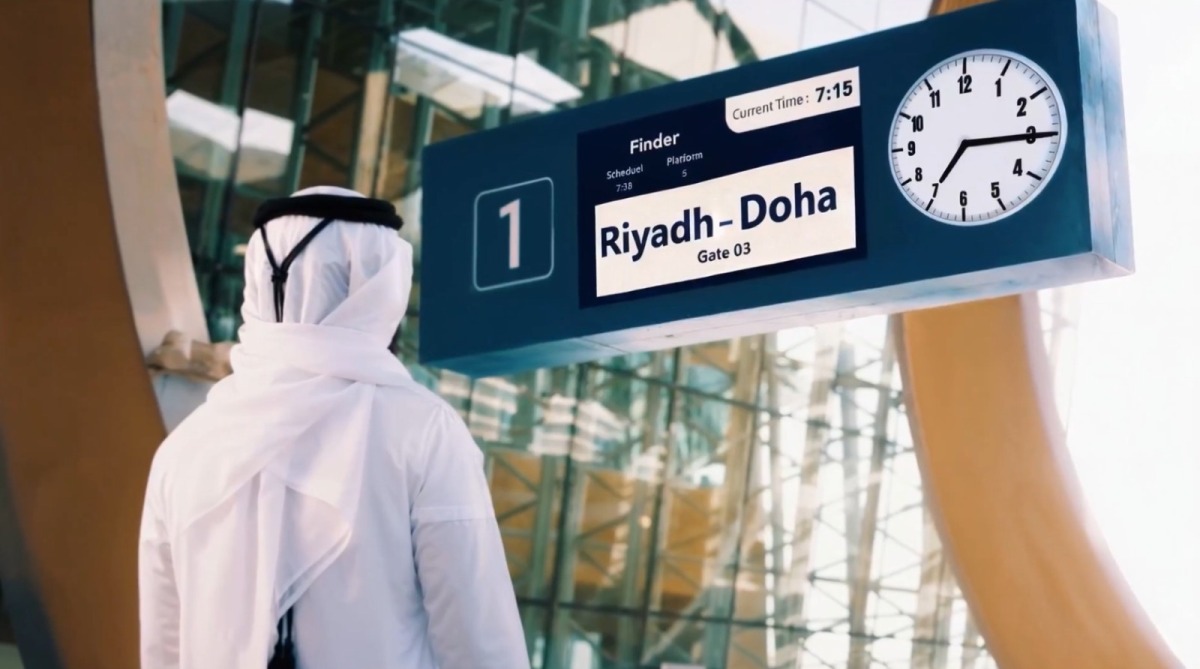

Doha, Qatar – A groundbreaking high-speed rail project connecting Qatar and Saudi Arabia has been announced, signaling a major step towards enhanced regional connectivity and economic integration. The Ministry of Transport (MoT) of Qatar revealed the plan on December 8, 2025, outlining a 785-kilometer electric rail line designed to dramatically reduce travel time between Doha and Riyadh. This initiative aims to boost tourism, facilitate business, and contribute to sustainable development across the Gulf region.
The ambitious project will link the capital cities of Doha and Riyadh, with stops planned in key areas like Al-Hofuf and Dammam. It will also integrate with Hamad International Airport and King Salman International Airport, creating a seamless transportation network. According to the MoT, the train will operate at speeds exceeding 300 kilometers per hour.
The Qatar-Saudi Arabia High-Speed Rail: A Regional Game Changer
This high-speed rail link represents a significant investment in infrastructure and a commitment to closer collaboration between Qatar and Saudi Arabia. The project is envisioned as a catalyst for economic growth, with projections indicating a combined GDP contribution of 115 billion riyals for both nations. The initiative aligns with broader efforts to strengthen ties within the Gulf Cooperation Council (GCC) through improved transportation networks.
Economic and Tourism Benefits
The anticipated reduction in travel time – from potentially over eight hours by road to just two hours by train – is expected to have a substantial impact on business and tourism. The MoT estimates over 10 million passengers will utilize the service annually, facilitating easier access to key attractions in both countries. Additionally, the project is projected to create more than 30,000 direct and indirect employment opportunities.
However, the benefits extend beyond tourism and employment. The improved connectivity is expected to foster greater trade and investment between Qatar and Saudi Arabia, supporting diversification efforts in both economies. The project also supports the broader regional tourism strategy, making it easier for visitors to explore multiple destinations within the GCC.
Sustainability and Technological Advancement
The project prioritizes environmental sustainability, utilizing electric trains to reduce carbon emissions and promote cleaner transportation options. The MoT emphasized the incorporation of the latest technologies in railroad engineering and smart systems to ensure safe and efficient operations. This commitment to innovation reflects a broader push towards modernizing infrastructure across the region.
Meanwhile, the construction will adhere to the highest international quality and safety standards. The project’s design incorporates best practices in railroad development, aiming for a reliable and comfortable passenger experience. The focus on sustainability also aligns with both countries’ national visions for environmental protection and responsible development.
The development of this railway infrastructure is part of a larger trend of investment in transportation networks throughout the Middle East. Similar projects are underway in other GCC countries, aiming to create a fully integrated regional transportation system. This interconnectedness is seen as crucial for fostering economic growth and strengthening regional cooperation. The project also supports the development of a more diversified transportation sector, reducing reliance on road transport and air travel.
Construction of the high-speed rail is estimated to take approximately six years. The MoT has not yet announced a firm completion date, but the project is currently in the planning and design phase. Stakeholders will be closely monitoring progress on land acquisition, environmental impact assessments, and the awarding of construction contracts. Potential challenges, such as logistical complexities and geopolitical factors, could influence the project timeline and budget. Further details regarding financing arrangements and operational plans are expected to be released in the coming months.
Looking ahead, the next steps involve finalizing the detailed engineering designs and securing necessary approvals from both governments. The successful implementation of this project will depend on continued collaboration between Qatar and Saudi Arabia, as well as effective project management and adherence to stringent quality control measures. The development of this railway is a key indicator of the future of regional transportation and economic integration.
Source
Twitter Post
Saudi Transport Ministry
Qatar Ministry of Transport