


Senior media officials from Qatar and Saudi Arabia convened in Riyadh this week to discuss strengthening media cooperation between the two nations. The talks, held on the sidelines of the Saudi Media Forum, focused on implementing a recently signed memorandum of understanding and exploring new avenues for joint projects in broadcasting and content creation. This initiative signals a continued thaw in relations and a commitment to collaborative efforts within the Gulf region’s evolving media landscape.
The meeting between Sheikh Hamad bin Thamer Al Thani, Chairman of the Qatar Media Corporation, and Salman bin Yousef Al Dosari, Saudi Arabia’s Minister of Media, took place Monday as the fifth edition of the Saudi Media Forum opened in the Saudi capital. Discussions centered on activating provisions within the MOU, which covers cooperation in radio and television broadcasting, and addressing other areas of mutual interest for both countries’ media sectors.
Boosting Media Cooperation Between Qatar and Saudi Arabia
This renewed focus on media cooperation comes after a period of strained relations between Qatar and Saudi Arabia, which began in 2017 with a regional diplomatic crisis. Full diplomatic ties were restored in 2021, and since then, both countries have been working to rebuild relationships across various sectors, including media and culture. According to the Saudi Press Agency, the recent talks represent a significant step in solidifying this progress.
Saudi Media Forum Highlights
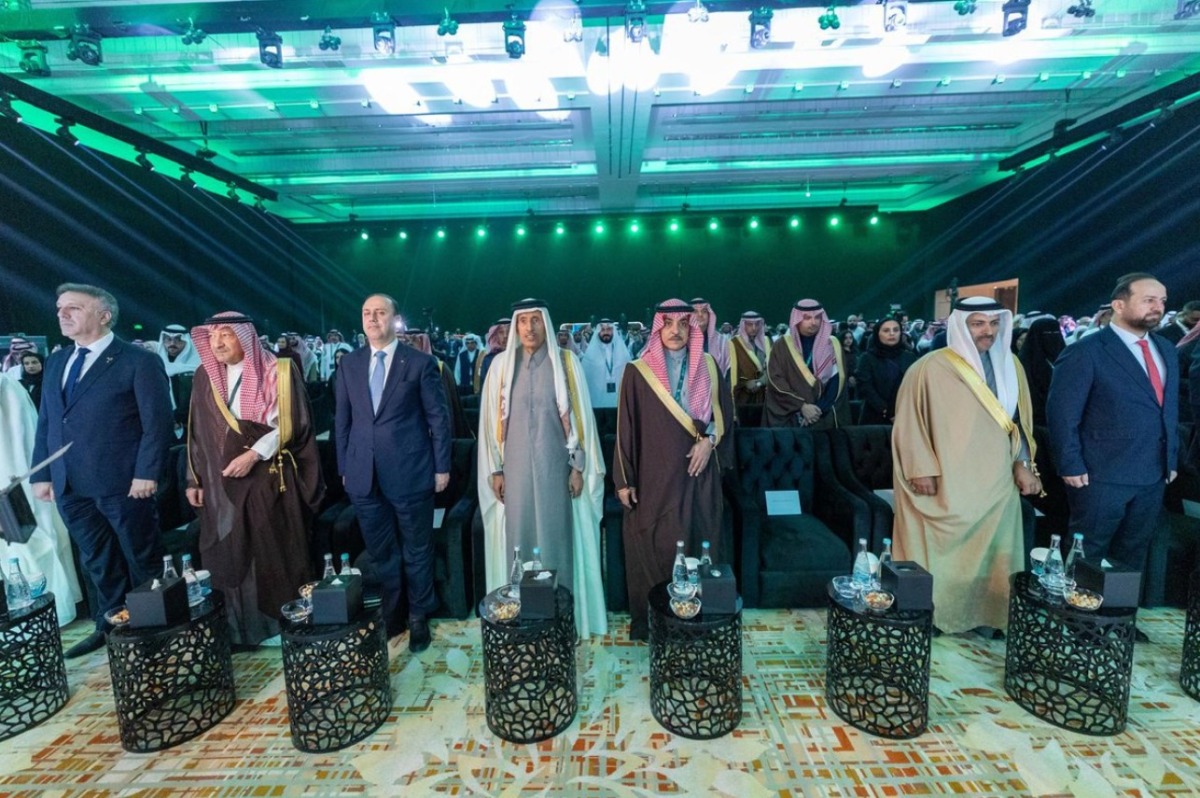
Sheikh Hamad Al Thani also participated in the opening of the Saudi Media Forum, themed “Media in an Evolving World.” He praised the forum’s expanded agenda and the accompanying Future of Media (FOMEX) Exhibition, noting Saudi Arabia’s commitment to fostering a leading regional platform for media professionals. The forum aims to strengthen partnerships and promote innovation in the media industry.
The Saudi Media Forum, a three-day event, brings together media professionals, academics, and experts from around the globe. The event features panel discussions, workshops, and the launch of national initiatives designed to support the development of modern media technologies. The FOMEX Exhibition showcases the latest advancements in broadcasting, content production, and distribution, offering a practical complement to the forum’s theoretical discussions.
Meanwhile, the broader context of regional media development is seeing increased investment. Several Gulf states are actively seeking to diversify their media offerings and attract international talent, recognizing the sector’s potential for economic growth and cultural influence. This trend is fueled by a growing demand for digital content and a desire to project a positive image on the global stage. Digital media is a key area of focus for both Qatar and Saudi Arabia.
However, challenges remain. Navigating differing editorial approaches and ensuring media freedom within a complex political landscape will be crucial for sustained cooperation. The implementation of the MOU will require ongoing dialogue and a commitment to mutual respect for journalistic principles. Furthermore, the rapid pace of technological change in the content creation space necessitates continuous adaptation and investment in skills development.
The next step will likely involve the formation of joint working groups to develop specific projects and initiatives outlined in the MOU. A timeline for these projects has not yet been announced, but officials have indicated a desire to see tangible results within the next year. Observers will be watching to see how effectively the two countries can leverage their combined resources and expertise to create a more vibrant and competitive media sector in the region.
The success of this collaboration will also depend on addressing potential hurdles related to content regulation and ensuring a level playing field for media organizations from both countries.